


Sumo Stunned Again: Retired Champion Admits to Assaulting Wrestler, Igniting New Bullying Fears
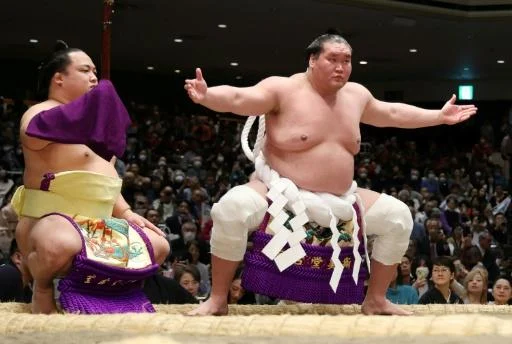
The hallowed traditions of sumo wrestling are once again being tarnished by a deeply disturbing scandal, as a revered former grand champion, now a stablemaster, has reportedly confessed to physically assaulting one of his own wrestlers. The revelation sent shockwaves through the sport on Friday, reigniting grave concerns about the persistent issue of bullying and abuse within its hierarchical structure. Terunofuji, a legendary figure who retired from active competition in January of last year and transitioned into a stablemaster just five months later, publicly acknowledged his actions, stating he had voluntarily reported himself to the Japan Sumo Association (JSA) for his violent misconduct.
Speaking to reporters, the 34-year-old Mongolian-born sumo icon expressed deep regret over the incident, confirming that he, along with two of his wrestlers, have already undergone questioning by the JSA. “The responsibility lies with me,” Terunofuji stated, his voice heavy with remorse. He confirmed that he had issued apologies to his wrestlers, acknowledging the gravity of his transgression. “Now, we are simply waiting for the association’s punishment,” he added, emphasizing that any further statements at this juncture would only serve to “complicate things, which would be the worst outcome.”
This latest incident casts a dark shadow over sumo, a sport with a storied history that has, unfortunately, been repeatedly marred by a series of high-profile scandals. These controversies have ranged from allegations of bullying and hazing to more serious accusations involving illegal betting operations and even tenuous links to organized crime syndicates. The pervasive nature of these issues has led to a constant struggle for the JSA to maintain its reputation and uphold the principles of discipline and respect that are supposed to be central to the sumo ethos.
The history of violence within sumo stables is tragically long and well-documented. Perhaps the most devastating case occurred in 2007, when a 17-year-old sumo apprentice, Tsukasa, tragically died following a brutal hazing incident. The investigation revealed that the young wrestler had been subjected to severe abuse by his stablemaster and senior wrestlers. In a particularly shocking turn, the stablemaster had struck the teen with a beer bottle, an act that ultimately led to his conviction for negligence resulting in death and a five-year prison sentence. This case sent a chilling message about the extreme dangers that vulnerable young apprentices could face in the pursuit of a sumo career.
The current scandal involving Terunofuji is particularly poignant as it emerges less than a year after another seismic event that rocked the sumo world. Hakuho, arguably the greatest sumo champion of all time and a colossal figure in the sport, was forced to retire and subsequently saw his stable forcibly closed due to a bullying scandal that implicated his protégé, Hokuseiho. Authorities at the time found that Hakuho had failed to adequately control the behavior of Hokuseiho, who was accused of physically assaulting his lower-ranked stablemates and even resorting to theft, allegedly stealing money from them. The fallout from that incident was severe, leading to the dissolution of Hakuho’s stable and the transfer of its wrestlers to other facilities. It is noteworthy that the wrestlers from the closed stable were ultimately transferred to the very stable that Terunofuji eventually took over, adding a layer of complex interconnectivity to the ongoing saga of abuse within the sport.
Terunofuji himself is a figure of immense stature within the sumo community. During his illustrious wrestling career, he achieved the pinnacle of success, winning an impressive 10 tournaments and ascending to the prestigious rank of 73rd Yokozuna, the highest echelon in the centuries-old tradition of sumo. His transition from a celebrated Yokozuna to a stablemaster was initially seen as a positive development, offering a beacon of hope for the future of his stable and the sport. However, his current actions have cast a long shadow over his legacy and raised serious questions about the effectiveness of the JSA’s oversight and the ingrained culture within sumo stables.
The culture of sumo is deeply rooted in a strict hierarchical system where senior wrestlers and stablemasters hold immense authority over their juniors. While this structure is often lauded for instilling discipline and respect, it has also, in numerous instances, created a fertile ground for abuse. The power imbalance is significant, with young, aspiring wrestlers often feeling powerless to speak out against mistreatment for fear of retribution, expulsion from the sport, or jeopardizing their career prospects. This fear can be amplified by the close-knit nature of stable life, where wrestlers live, train, and eat together, creating an environment where ostracization can be particularly isolating and damaging.
The JSA has, in the past, implemented various measures to combat bullying and improve wrestler welfare. Following the tragic death of Tsukasa in 2007, the association introduced stricter regulations and guidelines aimed at preventing hazing and ensuring a safer environment for apprentices. However, the recurring nature of these scandals suggests that these measures, while well-intentioned, have not been entirely effective in eradicating the problem. The deep-seated nature of the issues, often tied to tradition and the unwritten rules of the sumo world, presents a formidable challenge for reform.
Experts in sports sociology and ethics have long pointed to the need for a fundamental shift in the cultural norms of sumo. They argue that a more transparent and accountable system, with robust mechanisms for reporting and addressing abuse without fear of reprisal, is essential. Furthermore, fostering a culture where communication and mutual respect are prioritized over blind obedience is crucial for the long-term health and integrity of the sport. The role of stablemasters is particularly critical in this regard. As mentors and figures of authority, their conduct sets the tone for the entire stable. When a revered figure like Terunofuji admits to physical abuse, it sends a devastating message to aspiring wrestlers and underscores the persistent challenges in creating a truly safe and ethical environment.
The public reaction to the news has been one of disappointment and concern. Many fans of sumo, who cherish the sport for its athleticism, discipline, and cultural significance, are dismayed by the repeated emergence of such negative stories. There is a growing sentiment that the JSA needs to take more decisive and effective action to address the root causes of bullying and abuse, rather than simply reacting to scandals after they erupt. Calls for independent oversight and more stringent enforcement of anti-abuse policies are likely to intensify in the wake of this latest revelation.
The future of sumo, a sport that has captivated audiences for centuries, hinges on its ability to confront these deeply ingrained issues head-on. The legacy of champions like Terunofuji is now intertwined with the ongoing struggle to reconcile tradition with modern ethical standards. The coming weeks and months will be crucial for the JSA as it grapples with the fallout from this latest scandal and determines the appropriate course of action, not only in punishing the individuals involved but also in implementing meaningful reforms that can safeguard the well-being of all wrestlers and restore public trust in this ancient and beloved sport.
© 2026 AFP