


Japan’s aviation regulator cracks down on All Nippon Airways over repeated maintenance lapses.
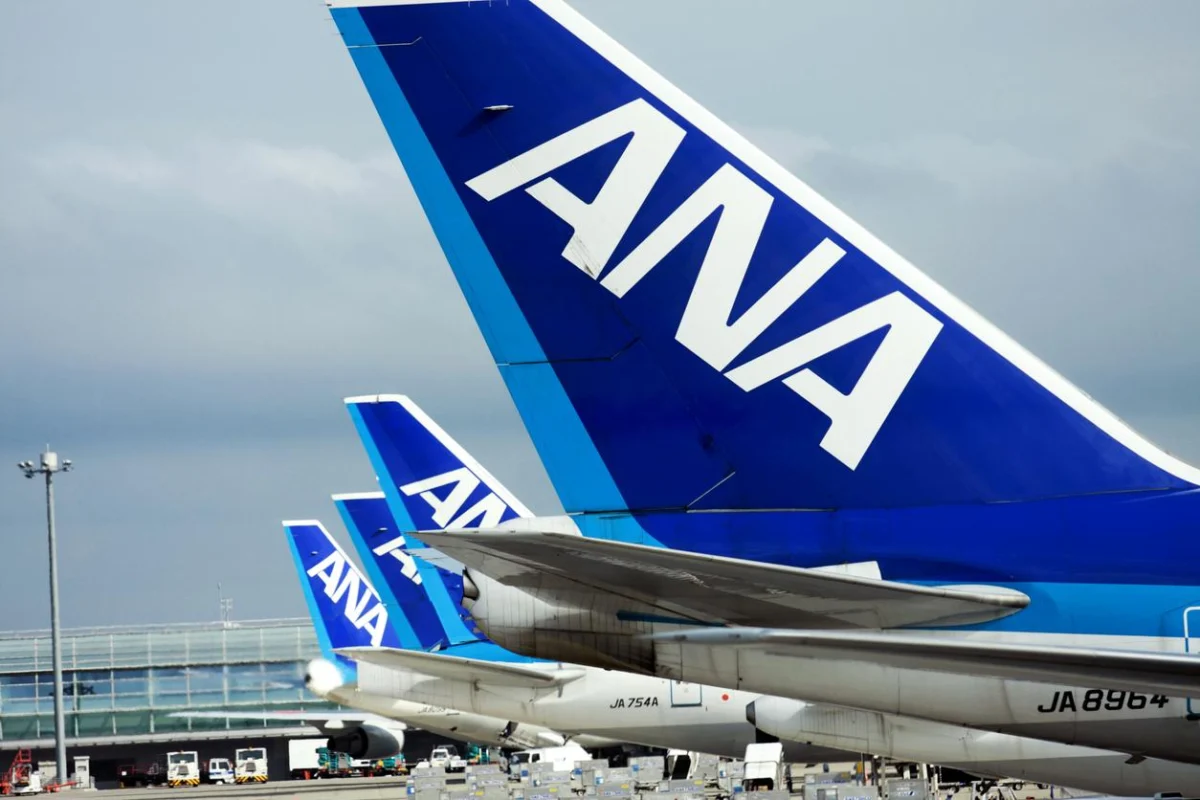
Japan’s Ministry of Land, Infrastructure, Transport and Tourism has issued a formal business improvement advisory to All Nippon Airways (ANA) following a concerning pattern of improper conduct in aircraft maintenance. This advisory comes in the wake of two significant incidents that occurred in late 2024, one of which involved a mechanic falsifying maintenance records, an act that undermines the bedrock of aviation safety. The regulatory body’s decision underscores a perceived deficiency in ANA’s oversight mechanisms, especially as these events transpired shortly after a similar misconduct case was reported in early 2024.
The Ministry’s intervention signals a serious concern about the airline’s safety management structure, prompting a directive for immediate and substantial improvements. ANA has been mandated to submit a comprehensive report detailing its corrective actions and planned enhancements by May 15. This deadline signifies the urgency with which the Ministry expects the airline to address the systemic issues that have led to these breaches.
In response to the mounting scrutiny, ANA and its parent company, ANA Holdings Inc., have not shied away from accountability. On Tuesday, the companies announced a series of disciplinary measures targeting 50 executives for the fiscal year 2025. These sanctions include a significant one-month pay cut of 30 percent for both former president Shinichi Inoue and current president Juichi Hirasawa. Notably, Hirasawa held the position of senior executive vice president at the time of the most recent maintenance misconduct, placing him directly within the chain of command responsible for the oversight that failed.
The first of the two recent incidents, which came to light on November 27, 2024, involved a mechanic stationed at Itami Airport. During a routine procedure to refuel an aircraft after replacing a brake valve, the mechanic mistakenly utilized an oil that was explicitly prohibited by company regulations. This deviation from established protocols could have had serious implications, yet the situation was compounded by further breaches of procedure.
While the improper refueling was eventually detected, the mechanic’s subsequent actions escalated the severity of the offense. Instead of reporting the mistake and initiating the necessary rectification procedures, the mechanic chose to falsify the maintenance records. This deliberate act of deception allowed the aircraft to continue its operations without the crucial checks and balances that would have ensured its airworthiness. The falsification of records is a particularly grave offense in aviation, as it directly obstructs the transparency and integrity of the safety system.
The second incident, which occurred earlier in November 2024, on the 13th, at Narita Airport, involved a different but equally concerning lapse in judgment. A mechanic was alerted to damage found on the cargo compartment rail of a cargo aircraft. However, instead of escalating the issue or conducting a thorough assessment in line with regulatory guidelines, the mechanic summarily classified the damage as a “minor defect.” This informal assessment was made without any reference to the relevant technical regulations and safety standards that govern the permissible limits of wear and tear for aircraft components.
Consequently, the aircraft was cleared for continued operation without the necessary repairs being undertaken. The extent of the wear on the cargo compartment rail was subsequently found to have exceeded the regulated permissible limit, raising questions about the potential structural integrity of the affected area. While ANA has asserted that neither of these incidents directly compromised flight safety, the repeated nature of such lapses and the underlying procedural failures are what have drawn the ire of the transport ministry.
This latest advisory from the Ministry is not an isolated event for ANA. The airline had already received a stern warning in October 2024 following a separate maintenance oversight incident at Fukushima Airport. In that case, a maintenance worker failed to report and replace underinflated aircraft tires, a clear violation of established operational regulations. The accumulation of these incidents paints a picture of systemic weaknesses that transcend individual errors and point towards a broader need for enhanced safety culture and stricter adherence to protocols across the organization.
“We take this situation very seriously, as it occurred while corrective actions were being implemented,” ANA stated in its official response, acknowledging the gravity of the situation and the public’s expectation of unwavering safety standards. The airline’s statement further conveyed a commitment to rectifying the issues, adding, “We will do our utmost to prevent a recurrence and restore trust.” This sentiment underscores the reputational damage incurred and the imperative to rebuild confidence among passengers, regulators, and the wider aviation community.
To achieve these goals, ANA has outlined specific strategies it intends to implement. The airline plans to bolster its training programs, with a particular focus on equipping maintenance supervisors with more robust oversight capabilities and a deeper understanding of regulatory compliance. Furthermore, ANA aims to enhance its internal reporting channels, encouraging a more open and transparent environment where potential issues can be flagged and addressed proactively, rather than being concealed or downplayed. This initiative is crucial in fostering a culture where safety is paramount and where employees feel empowered to report concerns without fear of reprisal.
The airline industry, by its very nature, operates under an exceptionally high standard of safety. Every component, every procedure, and every record is meticulously scrutinized to ensure the well-being of millions of passengers who entrust their lives to air travel. Lapses in maintenance, even those deemed “minor” or not directly impacting immediate flight safety, erode this trust and can have far-reaching consequences. The falsification of records, in particular, represents a critical failure of integrity that strikes at the heart of the aviation safety framework.
The Ministry’s advisory serves as a potent reminder that regulatory bodies are vigilant in their oversight of the aviation sector. Airlines, regardless of their size or reputation, are held to account for maintaining the highest safety standards. The repeated nature of ANA’s recent maintenance issues suggests that the airline’s previous corrective measures may have been insufficient or inadequately implemented. The advisory is therefore not just a warning but a mandate for a fundamental re-evaluation and strengthening of ANA’s safety management systems.
The disciplinary actions against ANA’s executives are a clear indication that accountability extends to the highest levels of the company. Pay cuts and other sanctions are designed to send a strong message that leadership is responsible for fostering a safety-conscious culture and ensuring that robust oversight mechanisms are in place. This approach aligns with global best practices in corporate governance, where executive leadership is directly answerable for the operational integrity and ethical conduct of their organizations.
For ANA, the path forward involves a sustained and rigorous commitment to improving its maintenance procedures and fostering a culture of uncompromising safety. This will likely involve a comprehensive review of its training protocols, the implementation of advanced monitoring systems, and a proactive approach to risk management. The airline’s ability to effectively address the Ministry’s concerns and demonstrate tangible improvements in its safety performance will be critical in regaining the confidence of its stakeholders and ensuring its long-term viability in a highly competitive and safety-sensitive industry.
The incidents at Itami and Narita airports, while not resulting in immediate safety compromises, highlight potential vulnerabilities that, if left unaddressed, could escalate into more serious situations. The use of prohibited oil, even if caught, indicates a breakdown in the supply chain or the training of personnel handling aircraft fluids. Similarly, the misclassification of damage to critical aircraft components suggests a potential lack of technical expertise or a pressure to overlook minor issues to maintain operational schedules. These are precisely the kinds of systemic flaws that regulatory bodies seek to eradicate.
The Ministry’s action is also a reflection of the broader regulatory environment in Japan, which prioritizes safety above all else in its transportation infrastructure. The advisory serves as a public declaration of the Ministry’s commitment to upholding these standards and ensuring that all operators within its jurisdiction adhere to the highest levels of safety and compliance. For passengers, such interventions offer reassurance that regulatory authorities are actively monitoring and safeguarding their well-being.
ANA’s promise to strengthen training for maintenance supervisors and increase reporting channels is a positive step, but the effectiveness of these measures will be judged by their implementation and the subsequent reduction in reported incidents. The airline’s proactive engagement with the Ministry and its willingness to accept disciplinary action are indicators of its intent to address the issues. However, sustained vigilance and a commitment to continuous improvement will be paramount.
The journey of rebuilding trust is often longer and more arduous than the initial breach. For ANA, this means not only rectifying the immediate issues but also embedding a culture where safety is an ingrained value, not merely a set of procedures to be followed. This involves empowering every member of the maintenance team to speak up, to question, and to ensure that every aircraft leaving the hangar meets the most stringent safety standards. The airline’s commitment to reporting back by May 15 will be a crucial benchmark in this ongoing process.
The aviation industry globally faces constant pressure to balance operational efficiency with unwavering safety. The challenges encountered by ANA serve as a case study for other airlines, emphasizing the need for robust internal controls, continuous training, and a leadership team that champions a proactive safety culture. The Ministry’s intervention, while stringent, is ultimately aimed at ensuring the continued safety and reliability of air travel in Japan, a sector vital to its economy and global connectivity.
The disciplinary measures against executives are a significant development, signaling that accountability is not confined to the ground-level mechanics but permeates the entire organizational hierarchy. This approach is essential for driving systemic change, as it incentivizes leadership to prioritize safety and invest in the resources and training necessary to uphold it. The coming months will be critical for ANA as it navigates the expectations of the Ministry and works to demonstrate its renewed commitment to aviation safety.
The falsification of maintenance records is a particularly concerning aspect of the Itami Airport incident. It suggests a potential cover-up mentality, which is antithetical to the transparent and open reporting that is crucial for identifying and mitigating risks in aviation. Such actions can obscure underlying problems, allowing them to fester and potentially lead to more severe consequences down the line. ANA’s efforts to strengthen reporting channels are therefore vital in combating this issue.
The case of the damaged cargo compartment rail at Narita Airport, where the damage was deemed “minor” without proper regulatory consultation, points to a possible deficiency in the technical knowledge or the adherence to established protocols among some maintenance personnel. It raises questions about the adequacy of ongoing training and the clarity of guidelines for assessing the severity of damage. ANA’s commitment to enhancing training for supervisors is a direct response to such potential weaknesses.
Ultimately, the advisory issued by Japan’s transport ministry to All Nippon Airways is a stark reminder of the critical importance of maintaining the highest standards in aircraft maintenance. The airline’s response, including executive disciplinary actions and a commitment to enhanced training and reporting, will be closely monitored as it strives to restore confidence and ensure the continued safety of its operations.