



U.S. Deportations Extend to Latin Americans Arriving in Congo Amid Rights Concerns
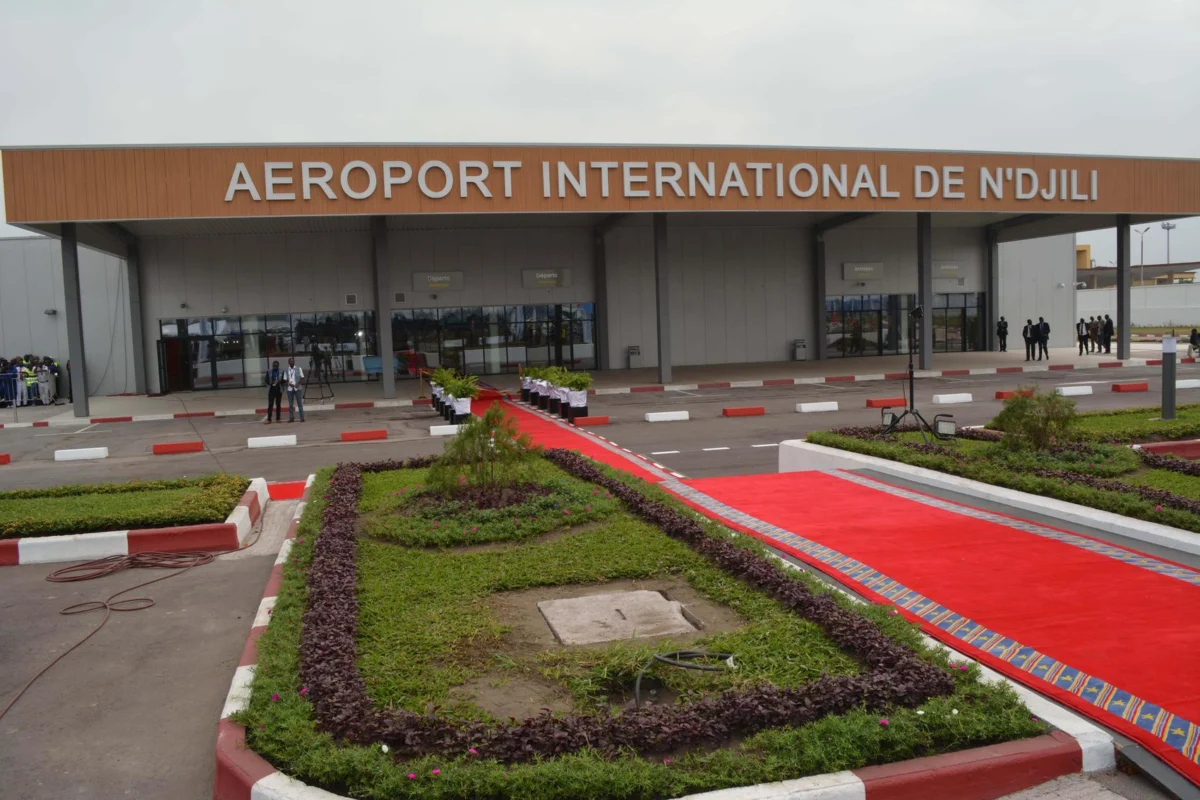
In a development that has ignited fresh scrutiny over the Trump administration’s immigration policies, approximately 15 individuals, reportedly originating from Latin America, arrived in Kinshasa, the capital of the Democratic Republic of Congo, early Friday. This latest instance marks a continuation of a pattern wherein the U.S. government is leveraging agreements with African nations to expedite the removal of migrants, a practice that has drawn significant criticism regarding the safeguarding of their fundamental rights.
The arrival was confirmed by an official at the Congolese migration agency, who, however, declined to provide specific details regarding the identities or nationalities of the deportees. U.S. attorney Alma David, who is representing one of the individuals who landed in Kinshasa, informed The Associated Press that all deportees are from Latin America. She added that the Congolese government intends to house them in the country for a brief period. Ms. David has been in communication with her client since their arrival.
A critical aspect of the situation, according to Ms. David, is the belief that all the deportees possessed legal protections granted by U.S. judges, which would typically shield them from being returned to their home countries. The deportees are reportedly being accommodated at a hotel in Kinshasa. The International Organization for Migration (IOM), a United Nations-affiliated body, is expected to be involved in offering “assisted voluntary return” services, as stated by Ms. David.
Ms. David expressed deep concern over the approach: “The fact that the focus is on offering them ‘voluntary’ return to their home country when they spent months in immigration detention in the U.S. fighting hard to not have to go home is very alarming,” she articulated. This statement underscores the perceived contradiction between the migrants’ efforts to remain in the U.S. and the current push for their return, even if framed as voluntary.
A spokesperson for the IOM corroborated the organization’s involvement, stating that they are providing humanitarian assistance to the deportees at the request of the Congolese government. The IOM also indicated its potential role in offering assisted voluntary return, emphasizing that such a program is “strictly voluntary and based on free, prior and informed consent.” This stipulation is crucial, highlighting that any return should be a genuine choice made by the individual, free from coercion.
Earlier this month, Congo’s Ministry of Communications issued a statement acknowledging its forthcoming role in receiving certain migrants as part of a new arrangement under the Trump administration’s “third-country program.” The ministry characterized this agreement as a “temporary” measure, reflecting Congo’s “commitment to human dignity and international solidarity.” Notably, the statement indicated that the initiative would incur no costs for the Congolese government, with the U.S. bearing all logistical expenses.
The ministry’s statement also sought to allay fears of automatic deportations, asserting that “Each situation will be subject to individual review in accordance with the laws of the Republic and national security requirements.” This suggests a commitment to a case-by-case assessment, although the specifics of such reviews and their adherence to international human rights standards remain subjects of ongoing debate.
This latest deportation event is part of a broader strategy by the U.S. administration. The United States has reportedly entered into similar “third-country” deportation agreements with at least seven other African nations. This approach is particularly striking given that many of these nations are among those that have been most severely impacted by the Trump administration’s policies aimed at restricting trade, aid, and migration.
Data emerging from a recent report by the Democratic staff of the Senate Foreign Relations Committee reveals that the Trump administration has allocated a substantial sum, at least $40 million, to facilitate the deportation of approximately 300 migrants to countries other than their nations of origin. This expenditure highlights the significant resources dedicated to these third-country removal programs.
The legality and ethical implications of these agreements have been a focal point for lawyers and human rights advocates. Concerns have been raised regarding the nature of these deals, particularly with countries in Africa and other regions that are known to have governments with repressive tendencies and questionable human rights records. Nations such as Eswatini, South Sudan, and Equatorial Guinea are cited as examples of countries that have signed such agreements, raising questions about the safety and well-being of deportees sent to these destinations.
The practice of sending individuals to third countries for deportation is not entirely new but has been amplified under the current U.S. administration. These agreements often involve complex negotiations and can have profound consequences for the individuals involved, many of whom have spent years in the United States, building lives and pursuing legal avenues to remain. The U.S. government’s rationale often centers on managing immigration flows and addressing national security concerns. However, critics argue that these policies can circumvent established asylum and deportation procedures, potentially putting vulnerable individuals at risk of persecution or refoulement – the forced return of refugees and asylum seekers to a country where they fear for their safety.
The Trump administration’s broader immigration agenda has been characterized by a series of stringent enforcement measures and policy changes. These include increased deportations, stricter border controls, and a reduction in the number of refugees admitted to the United States. The third-country deportation agreements can be seen as an extension of this assertive approach, aiming to create alternative pathways for removing individuals deemed ineligible to remain in the U.S. The use of African nations in these arrangements has been particularly controversial, sparking accusations of exploiting weaker economies and political systems to achieve U.S. immigration objectives.
Legal experts have pointed out that the concept of “assisted voluntary return” can be a complex one. While intended to provide support and resources for individuals to return to their home countries, it can also be used as a tool to pressure migrants into leaving the U.S., especially after prolonged periods of detention and uncertainty. The distinction between a truly voluntary departure and one influenced by the pressures of detention and the prospect of being sent to an unfamiliar third country can be blurred. The involvement of organizations like the IOM is intended to ensure that any return is genuinely voluntary, but the effectiveness of these safeguards in practice is often subject to scrutiny.
The human rights implications are also a significant concern. Individuals deported to third countries may not have established ties to those nations, nor may they possess the necessary documentation or support systems to reintegrate. Furthermore, if these third countries have weak asylum systems or face their own internal conflicts or human rights issues, deportees could be placed in precarious situations. The specific circumstances of each deportee, including their country of origin, their reasons for seeking refuge in the U.S., and their potential vulnerabilities, are critical factors that critics argue are not always adequately considered in these broad agreements.
The U.S. government’s stance is typically that these agreements are made with sovereign nations willing to cooperate and that they adhere to international legal obligations. Officials often emphasize that individuals are only deported after thorough review processes and that arrangements are made to ensure their safety and dignity. However, the lack of transparency surrounding the negotiations and implementation of these deals, coupled with the documented human rights concerns in some of the partner countries, fuels ongoing apprehension among human rights organizations and legal advocates.
The Senate Foreign Relations Committee report’s findings on the substantial financial investment in these third-country deportations raise questions about resource allocation and priorities within the immigration system. Critics argue that these funds could potentially be better utilized to address the root causes of migration, improve conditions for asylum seekers within the U.S., or support more humane and effective integration programs.
The situation in Kinshasa, with Latin American migrants arriving in the heart of Africa, serves as a stark illustration of the complex and often far-reaching consequences of international immigration policies. As the U.S. continues to explore and implement such agreements, the debate over the balance between national sovereignty, immigration control, and the protection of human rights is likely to intensify. The experiences of the individuals involved in these deportations will continue to be a critical focus for those advocating for more just and humane immigration practices.
© Copyright 2026 The Associated Press. All rights reserved. This material may not be published, broadcast, rewritten or redistributed without permission.