


As Ukraine and Russia navigate the solemnity of Easter, hopes for a period of respite have been shattered by a wave of Russian aerial attacks targeting civilian infrastructure across Ukraine. The strikes, which occurred on Thursday, resulted in the tragic loss of two lives and left at least three individuals injured, casting a grim shadow over the festive season. This escalation of violence comes as both nations are reportedly engaged in delicate negotiations for a prisoner exchange, a rare flicker of potential progress in the otherwise stalled peace talks that have failed to yield any significant breakthroughs in ending Russia’s protracted invasion, now entering its fifth year.
The prospect of a ceasefire for the Easter period, proposed by Ukrainian President Volodymyr Zelenskyy, has been met with skepticism by the Kremlin. Dmitry Peskov, spokesperson for the Russian presidency, reiterated earlier this week that Moscow’s objective remains a lasting peace settlement, rather than a temporary cessation of hostilities. This stance echoes past experiences, such as President Vladimir Putin’s unilateral declaration of a 30-hour ceasefire last Easter, which ultimately devolved into mutual accusations of violations by both sides, underscoring the deep-seated distrust that permeates the conflict.
Despite the ongoing military actions, a glimmer of humanitarian cooperation persists. Russia’s human rights ombudswoman, Tatyana Moskalkova, confirmed on Thursday that extensive efforts are underway to facilitate prisoner exchanges between the warring nations. “Ahead of Easter, a lot of work is being done today to prepare prisoner exchanges,” Moskalkova informed reporters, signaling a continued commitment to this diplomatic avenue. This sentiment was echoed by General Kyrylo Budanov, chief of staff to President Zelenskyy, who last week expressed optimism for a “major exchange” of prisoners to coincide with the Orthodox Easter, which falls on April 12th.
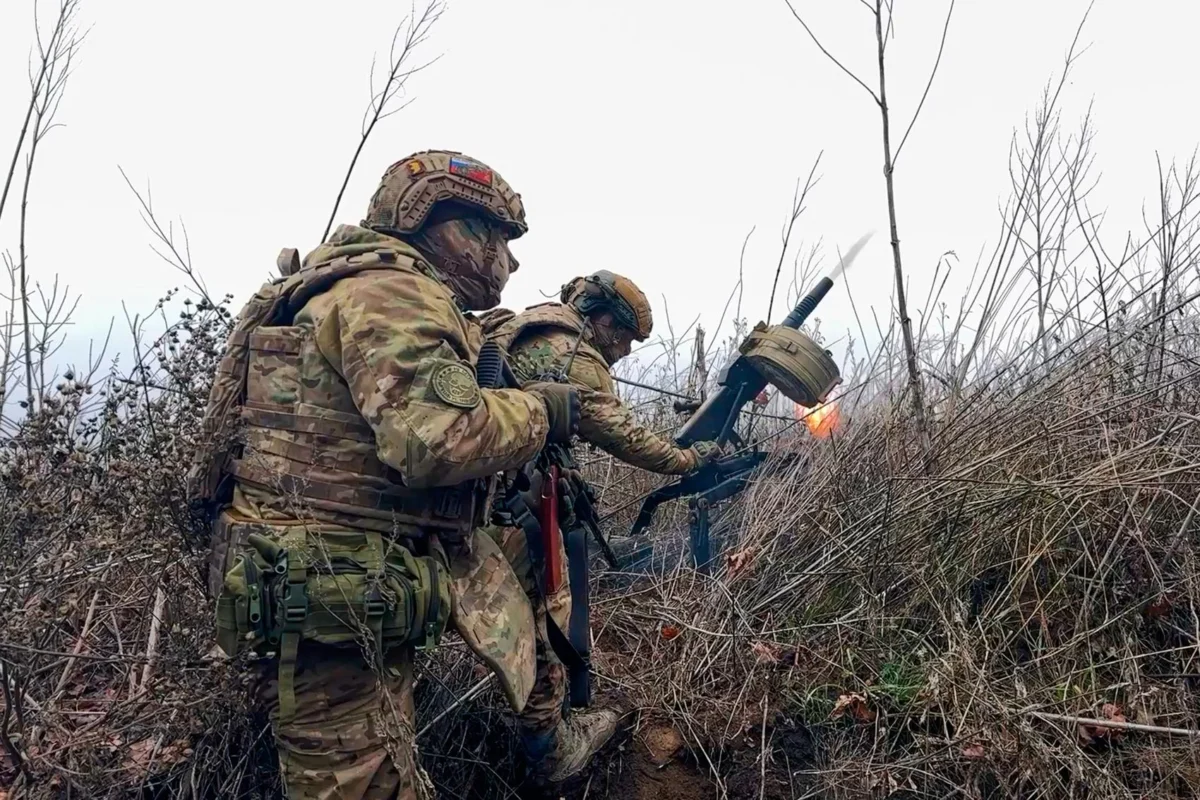
The human cost of the recent attacks remains a stark reality. In Synelnykove, a town within the Dnipropetrovsk region, a Russian strike claimed the life of one individual and left a woman and a 12-year-old boy injured, according to Oleksandr Hazha, the chief of the regional military administration. The impact of these attacks extended to Kharkiv, Ukraine’s second-largest city, where a separate strike ignited a fire in an apartment block, injuring a 61-year-old woman, as reported by regional head Oleh Syniehubov. Further north, a ballistic missile barrage targeted Chernihiv, resulting in the death of one person and injuring a 17-year-old girl, according to Dmytro Bryzhynskyi, the head of the city’s military administration. The Odesa region also experienced an attack, authorities confirmed, as part of a broader Russian offensive that reportedly involved the deployment of 172 strike drones. Ukraine’s air force reported that its defense systems successfully intercepted 147 of these drones, highlighting the relentless nature of the aerial campaign and the crucial role of air defense capabilities.
The persistent drone attacks and missile strikes underscore the ongoing strategic objectives of Russia’s military campaign, which has consistently targeted Ukrainian cities and infrastructure, often with devastating consequences for civilian populations. These attacks not only inflict immediate casualties and destruction but also serve to disrupt daily life, damage critical services, and instill widespread fear. The targeting of civilian areas, even amidst diplomatic overtures for a holiday truce, points to a broader pattern of warfare that has drawn international condemnation and accusations of war crimes.
The humanitarian dimension of the conflict has become increasingly central to international discourse. The recurring prisoner exchanges, while limited in scope and often fraught with complexities, represent one of the few tangible outcomes that offer a sliver of hope for families separated by the war. These exchanges, typically involving individuals captured on both sides, are often meticulously negotiated, with considerable effort invested in identifying and verifying individuals eligible for swap. The upcoming Easter exchange, if successful, would be a testament to the enduring efforts of humanitarian organizations and diplomatic channels working behind the scenes to alleviate some of the suffering caused by the conflict. However, the effectiveness and scale of these exchanges remain a point of contention, with both sides often claiming to have released more individuals than acknowledged by the other.
The geopolitical context surrounding the conflict remains highly charged. The prolonged stalemate in peace negotiations, brokered in part by the United States, highlights the deep-seated disagreements over core issues, including territorial integrity, security guarantees, and Ukraine’s sovereign right to self-determination. Russia’s stated desire for a “lasting peace settlement” contrasts sharply with its continued military actions, raising questions about the sincerity of its diplomatic pronouncements. The international community, meanwhile, continues to grapple with the ramifications of the war, including the ongoing refugee crisis, the disruption of global supply chains, and the broader implications for international security and the established world order.
The resilience of the Ukrainian people in the face of relentless aggression has been a defining feature of the conflict. Despite the daily threats and the immense sacrifices made, communities across Ukraine continue to demonstrate remarkable fortitude. The ongoing efforts to rebuild damaged infrastructure, provide essential services, and maintain a semblance of normalcy for civilians are testaments to this unwavering spirit. However, the psychological toll of living under constant threat and the long-term impact of displacement and loss are profound challenges that will require sustained international support for years to come.
As Orthodox Christians observe Easter, a period traditionally associated with renewal and hope, the stark reality of the ongoing war casts a long shadow. The juxtaposition of religious observance with the brutal realities of conflict serves as a poignant reminder of the human cost of this war. The calls for peace and reconciliation emanating from religious leaders on both sides of the conflict often find themselves drowned out by the din of artillery and the fear of aerial bombardment. Yet, these calls for peace, however faint, remain vital, representing the aspirations of countless individuals yearning for an end to the violence and a return to normalcy.
The strategic implications of Russia’s continued drone and missile attacks are multifaceted. Beyond inflicting casualties and damage, these assaults aim to degrade Ukraine’s military capabilities, undermine its economic infrastructure, and demoralize its population. The sheer volume of drones deployed suggests an attempt to overwhelm Ukrainian air defenses and to test their effectiveness, while also imposing a constant psychological burden on civilians. The success of Ukraine’s air defense systems in intercepting a significant portion of these drones is a crucial factor in mitigating the impact of these attacks, but the continuous barrage necessitates ongoing investment in advanced defensive technologies and sustained international assistance.
The narrative surrounding the prisoner exchanges also carries significant weight. For families with loved ones held captive, these exchanges represent a lifeline, offering the possibility of reunion and an end to agonizing uncertainty. The success of these operations is often dependent on a complex web of diplomatic maneuvering, intelligence sharing, and trust-building, however fragile. The commitment to these exchanges, even amidst active hostilities, suggests an underlying recognition by both sides of the humanitarian imperative, and perhaps a tacit acknowledgment of the long road ahead towards any lasting resolution.
The upcoming Easter weekend, therefore, presents a complex tableau of contrasting realities. On one hand, there are the deeply rooted traditions of faith and the universal yearning for peace. On the other, the grim reality of ongoing warfare, marked by the tragic loss of innocent lives and the persistent threat of further violence. The international community will undoubtedly continue to monitor the situation closely, offering support to Ukraine while urging for a de-escalation of hostilities and a genuine commitment to diplomatic solutions. The path to a lasting peace remains arduous, but the ongoing efforts, however incremental, to secure the release of prisoners and to offer a brief respite from the fighting, underscore the persistent human desire for an end to this devastating conflict.
© Copyright 2026 The Associated Press. All rights reserved. This material may not be published, broadcast, rewritten or redistributed without permission.