


Tragedy Strikes Daejeon Auto Parts Factory: 14 Confirmed Dead, Dozens Injured in Devastating Explosion and Fire
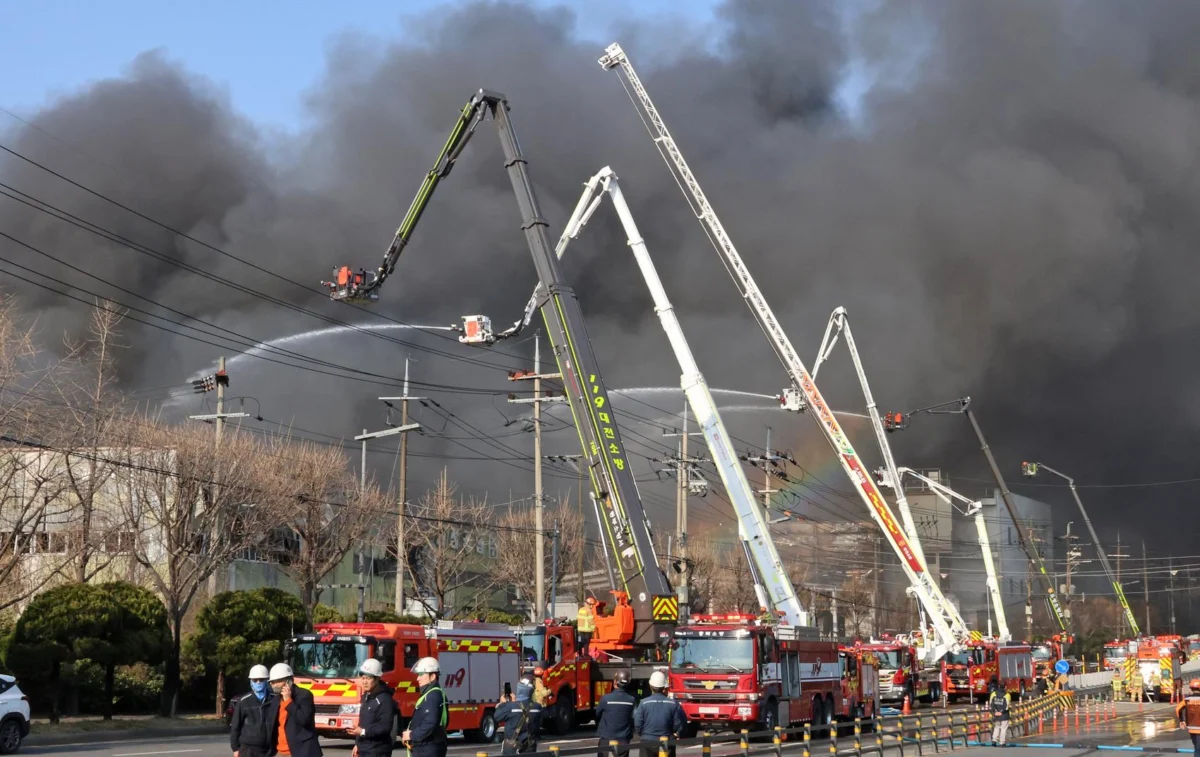
A catastrophic explosion and subsequent inferno at an auto parts manufacturing facility in Daejeon, South Korea, has claimed the lives of at least 14 individuals, with another 59 sustaining injuries. The devastating incident, which began Friday afternoon, plunged the central city into chaos as emergency responders battled the raging blaze and worked tirelessly to locate missing workers.
The Anjun Industrial plant, a significant player in the region’s automotive supply chain, became the epicenter of a rapidly escalating disaster. Initial reports suggest a powerful explosion ripped through the facility around 1:18 p.m. local time, sending plumes of thick, acrid smoke billowing into the sky, visible for miles. The inferno that followed proved exceptionally difficult to contain, fueled by the volatile nature of materials stored within the complex.
The scale of the emergency response was immense, with over 500 firefighters, police officers, and other emergency personnel converging on the scene. Their primary objectives were to bring the fire under control, prevent its spread to adjacent structures, and, most critically, conduct search and rescue operations for those trapped or unaccounted for. The intense heat and structural instability of the main factory building, however, presented immediate and formidable challenges.
Witness accounts painted a harrowing picture of the unfolding tragedy. Some workers, desperate to escape the rapidly advancing flames, were seen leaping from the upper floors of the burning building, a desperate gamble for survival. Others were overcome by smoke inhalation as the toxic fumes filled the interior spaces.
Fire officials reported that 25 individuals suffered serious injuries, though the exact number of those in life-threatening condition remained unclear in the immediate aftermath. The immediate priority for rescue teams was to establish a secure perimeter and assess the integrity of the damaged structures, many of which were deemed at risk of imminent collapse.
The search for the missing workers commenced in earnest late Friday, only after a strategic deployment of unmanned firefighting robots. These specialized machines were instrumental in cooling the superheated structure and conducting crucial safety inspections, allowing human rescue teams to eventually enter the perilous environment. The robots, designed for hazardous and inaccessible areas, played a vital role in mitigating the risks faced by the dedicated emergency crews.
Tragically, the grim reality of the situation became increasingly apparent as the recovery efforts progressed. The remains of 14 individuals were eventually discovered within the charred and twisted wreckage of the factory. Investigators later determined that nine of the deceased were found in what is believed to have been a gymnasium located on the third floor of the building. Three other victims were located near a water tank on the second floor. With the recovery of these remains, all missing persons from the incident have now been accounted for, bringing a somber closure to the frantic search.
The sheer destructive power of the blaze was evident in the widespread devastation. The main factory building, the heart of the operation, was a total loss. Firefighters’ efforts were significantly focused on preventing the conflagration from engulfing a neighboring facility, a critical strategic objective that, thankfully, they managed to achieve. Furthermore, they worked diligently to identify and isolate potentially explosive chemicals that could have exacerbated the disaster.
In a testament to the dangers present, fire chief Nam Deuk-woo of Daejeon’s Daedeok district revealed that rescue teams successfully recovered over 100 kilograms (approximately 220 pounds) of highly reactive chemicals from the site. This recovery operation underscored the inherent risks associated with the materials handled at the facility and highlighted the bravery of the emergency personnel who navigated such hazardous conditions.
The human toll extended beyond the fatalities. As of Saturday morning, 28 individuals remained hospitalized, with four undergoing surgical procedures for injuries including broken bones and other severe trauma. The injured, both those in critical condition and those with less severe but still significant injuries, represented a stark reminder of the human cost of industrial accidents.
The magnitude of the disaster necessitated an unprecedented deployment of resources. Approximately 120 vehicles and specialized equipment were mobilized, including aircraft for aerial surveillance and support, an unmanned water cannon vehicle for targeted suppression, and the aforementioned firefighting robots. This massive mobilization of personnel and machinery reflected the severity of the crisis and the commitment to bringing it under control.
In the wake of the tragedy, South Korean President Lee Jae Myung visited the devastated site on Saturday afternoon. His visit was marked by meetings with the grieving families of the victims, offering condolences and assurances of support. President Lee also issued a stern call for a comprehensive review of safety protocols at industrial facilities across the nation, emphasizing the urgent need to prevent such catastrophic events from recurring. He specifically addressed the ongoing search operations, urging stringent safety measures to ensure the stability of the damaged structure and protect the personnel still engaged in recovery efforts.
The precise cause of the explosion and subsequent fire remains under active investigation. However, preliminary indications and witness accounts strongly suggest an initial explosion as the catalyst for the rapid and destructive spread of the blaze. The speed with which the fire consumed the structure has raised questions about the safety protocols and emergency preparedness measures in place at the Anjun Industrial plant. Investigators will be meticulously examining all aspects of the facility’s operations, including material storage, maintenance procedures, and any potential triggers for such a catastrophic event.
Anjun Industrial, a company operating within the vital automotive parts sector, plays a significant role in the South Korean economy. Its operations contribute to the broader manufacturing landscape and the global automotive supply chain. The loss of life and the destruction of its facility will undoubtedly have ripple effects, impacting production, employment, and the broader industry.
The incident also brings into sharp focus the ongoing challenges of industrial safety in rapidly developing economies. While South Korea boasts a highly advanced industrial sector, the pursuit of efficiency and production targets can sometimes overshadow the paramount importance of worker safety. This tragedy serves as a somber reminder that robust regulatory oversight, consistent safety training, and a proactive safety culture are not merely bureaucratic requirements but essential components of responsible industrial operation.
The recovery and investigation processes are expected to be extensive and complex. The sheer scale of the destruction, coupled with the hazardous nature of the materials involved, will require meticulous work by forensic investigators and structural engineers. The ultimate findings will be crucial in determining accountability and implementing measures to prevent future disasters of this magnitude.
As Daejeon begins the painful process of mourning and rebuilding, the focus remains on supporting the affected families, caring for the injured, and learning critical lessons from this devastating industrial accident. The images of the smoke-filled sky and the brave efforts of the first responders will undoubtedly remain etched in the minds of many, a stark reminder of the fragility of life and the critical importance of industrial safety.