


Fukushima Aftermath Lingers: TEPCO Halts Operations at Key Nuclear Plant Amidst Generator Alarm
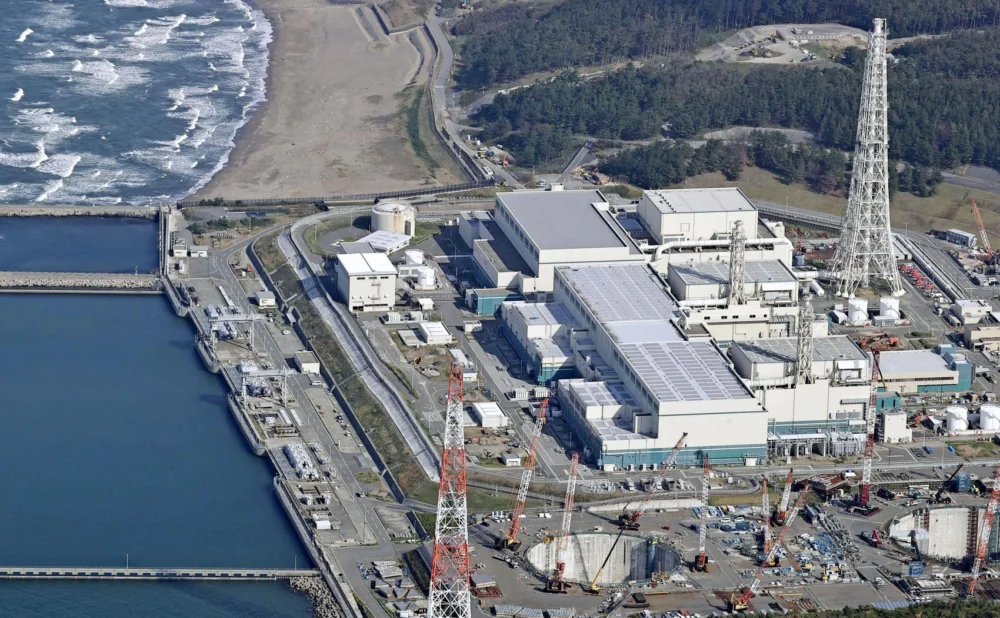
Tokyo Electric Power Company Holdings Inc. (TEPCO) has once again suspended power generation and transmission at its Kashiwazaki-Kariwa nuclear facility, a critical component of Japan’s energy infrastructure, less than two months after successfully reactivating its first reactor following the catastrophic Fukushima Daiichi disaster of 2011. This latest development, occurring on Saturday, raises renewed concerns about the safety and reliability of nuclear power in the wake of Japan’s most significant nuclear accident.
The immediate trigger for the shutdown was an alarm that sounded on Thursday afternoon, indicating a minor electrical leak detected within a power generator connected to the No. 6 reactor at the sprawling Kashiwazaki-Kariwa plant, located in Niigata Prefecture. The precise cause of the alarm’s activation remains under investigation, leaving TEPCO officials scrambling to pinpoint the source of the potential issue.
The alarm was triggered while the No. 6 reactor was operating at its maximum output, a crucial stage of a trial run designed to test its full operational capacity. While initial assessments have not revealed any anomalies within the reactor core itself, TEPCO has opted to reduce the reactor’s output to approximately 20 percent to facilitate ongoing checks and investigations. This cautious approach underscores the heightened sensitivity surrounding the operation of nuclear facilities in Japan, especially those managed by TEPCO.
TEPCO’s investigation will focus on two primary possibilities: either a genuine electrical leak occurred within the generator system, or the alarm system itself may have malfunctioned, triggering a false positive. The outcome of this inquiry will be critical in determining the necessary corrective actions and reassuring both regulators and the public of the plant’s safety protocols.
The Kashiwazaki-Kariwa No. 6 reactor had only recently resumed operations on January 21st, marking a significant milestone as the first TEPCO-operated reactor to be brought back online since the devastating earthquake and subsequent tsunami on March 11, 2011, which led to the meltdowns at the Fukushima Daiichi nuclear power plant. The restart of this reactor was seen as a crucial step in TEPCO’s long and arduous journey towards recovery and the gradual reintroduction of nuclear power into Japan’s energy mix. The 2011 disaster, the worst nuclear accident since Chernobyl, had plunged Japan’s nuclear industry into crisis, leading to the shutdown of all of the country’s reactors.
Interestingly, the No. 6 unit’s re-entry into service was not without its initial hiccups. Shortly after its restart, an alarm related to a fission control rod had sounded, prompting a temporary suspension. Following a period of planned checks, the reactor was reactivated on February 24th, and it had only achieved its full operational output on March 3rd, a mere few weeks before the current generator alarm. This series of events, while perhaps indicative of the meticulous nature of post-Fukushima safety procedures, also highlights the challenges in ensuring seamless and continuous operation of these complex facilities.
The Kashiwazaki-Kariwa plant, situated approximately 220 kilometers northwest of Tokyo, is the world’s largest nuclear power station by installed capacity, boasting seven reactors. Upon full operational capacity, it is slated to supply a substantial portion of electricity to the capital city and its surrounding metropolitan areas, underscoring its strategic importance to Japan’s power grid. The stability and reliability of this plant are therefore paramount for the energy security of a vast and densely populated region.
The Kashiwazaki-Kariwa plant has a complex history. It was the site of a magnitude 6.6 earthquake in 2007, which caused some minor leaks of radioactive water and smoke from a transformer. While the plant was deemed safe by regulators at the time, the incident served as an early warning about the seismic risks associated with the facility. Following the Fukushima disaster, all reactors at Kashiwazaki-Kariwa were shut down, and TEPCO has spent years undergoing stringent safety reviews and implementing upgrades to meet new regulatory standards imposed after the 2011 crisis. These standards are significantly more rigorous than those in place prior to Fukushima, reflecting a global shift towards enhanced nuclear safety measures.
The decision to restart reactors is a deeply contentious issue in Japan. Public opinion remains divided, with many citizens wary of nuclear power due to the lingering trauma of Fukushima and the potential for future accidents. Activist groups have consistently voiced concerns about safety, waste disposal, and the long-term environmental impact of nuclear energy. TEPCO, as the operator of the Fukushima Daiichi plant, carries an immense burden of public trust, and any perceived lapse in safety protocols at its facilities can reignite widespread apprehension.
The regulatory body overseeing Japan’s nuclear power industry, the Nuclear Regulation Authority (NRA), has played a pivotal role in scrutinizing TEPCO’s safety measures. The NRA’s approval is essential for any reactor restart, and its stringent requirements have led to extensive upgrades and modifications at plants like Kashiwazaki-Kariwa. The authority’s independence and rigorous oversight are intended to provide a buffer against political or economic pressures that might otherwise compromise safety standards. However, the effectiveness of these regulations is constantly being tested by real-world operational challenges.
The Kashiwazaki-Kariwa facility itself has faced its own unique set of challenges beyond operational incidents. In recent years, TEPCO has been embroiled in controversies regarding security lapses at the plant. In 2021, the company admitted to failing to implement proper security measures to protect nuclear materials at Kashiwazaki-Kariwa, leading to a ban on transporting new nuclear fuel to the site. This involved unauthorized personnel entering the facility and issues with the security monitoring system. While these security concerns are separate from the current generator alarm, they contribute to a broader narrative of TEPCO’s struggle to maintain the highest standards across all aspects of its nuclear operations. The company has since stated that it has implemented significant improvements to its security protocols to address these past shortcomings.
The resumption of nuclear power in Japan is driven by several factors. The country’s heavy reliance on imported fossil fuels, particularly in the wake of the 2011 tsunami which crippled its energy sector, has created economic vulnerabilities. Nuclear power, when operating safely, offers a stable, low-carbon energy source that can reduce dependence on volatile international markets. Furthermore, Japan has ambitious climate change targets, and nuclear power is seen by some as an essential component in achieving a decarbonized energy future, alongside renewable sources like solar and wind.
However, the path forward for nuclear power in Japan remains fraught with challenges. Public perception, the complexities of decommissioning old reactors, and the ongoing management of radioactive waste are all significant hurdles. The incident at Kashiwazaki-Kariwa serves as a stark reminder that the pursuit of nuclear energy, even with advanced safety measures, is a delicate balancing act. Each alarm, each potential anomaly, is scrutinized intensely, reflecting the deep-seated public anxiety and the high stakes involved in managing such powerful and potentially hazardous technology.
TEPCO’s ability to thoroughly investigate the current issue, transparently communicate its findings, and implement effective solutions will be crucial in rebuilding public confidence. The company’s commitment to safety, demonstrated through decisive action and rigorous oversight, will be under constant scrutiny as it navigates the complex landscape of nuclear power generation in the post-Fukushima era. The long-term viability of nuclear energy in Japan hinges not only on technological advancements and regulatory compliance but also on its capacity to foster genuine public trust and allay persistent safety concerns.
The Kashiwazaki-Kariwa plant, with its seven reactors, represents a substantial portion of Japan’s potential nuclear energy output. Its successful and safe operation is therefore of national importance. The current investigation into the generator alarm at the No. 6 reactor will likely be closely watched by energy experts, environmentalists, and the general public alike, as it represents another chapter in the ongoing narrative of Japan’s complex relationship with nuclear power.
The implications of this latest development extend beyond TEPCO and the Kashiwazaki-Kariwa plant. It will undoubtedly influence discussions about Japan’s future energy policy, the pace of nuclear reactor restarts nationwide, and the level of public acceptance for nuclear power. As TEPCO works to resolve the current issue, the shadow of Fukushima remains a constant reminder of the responsibilities and the inherent risks associated with harnessing the atom for energy.
The coming days and weeks will be critical for TEPCO as it seeks to understand and rectify the situation at the Kashiwazaki-Kariwa plant. The company’s response will be a key indicator of its commitment to the highest safety standards, a commitment that is essential for the future of nuclear power in Japan and for the peace of mind of its citizens.
© KYODO