

Alec Baldwin Ordered to Civil Trial in ‘Rust’ Shooting, Rekindling Hollywood’s Safety Reckoning
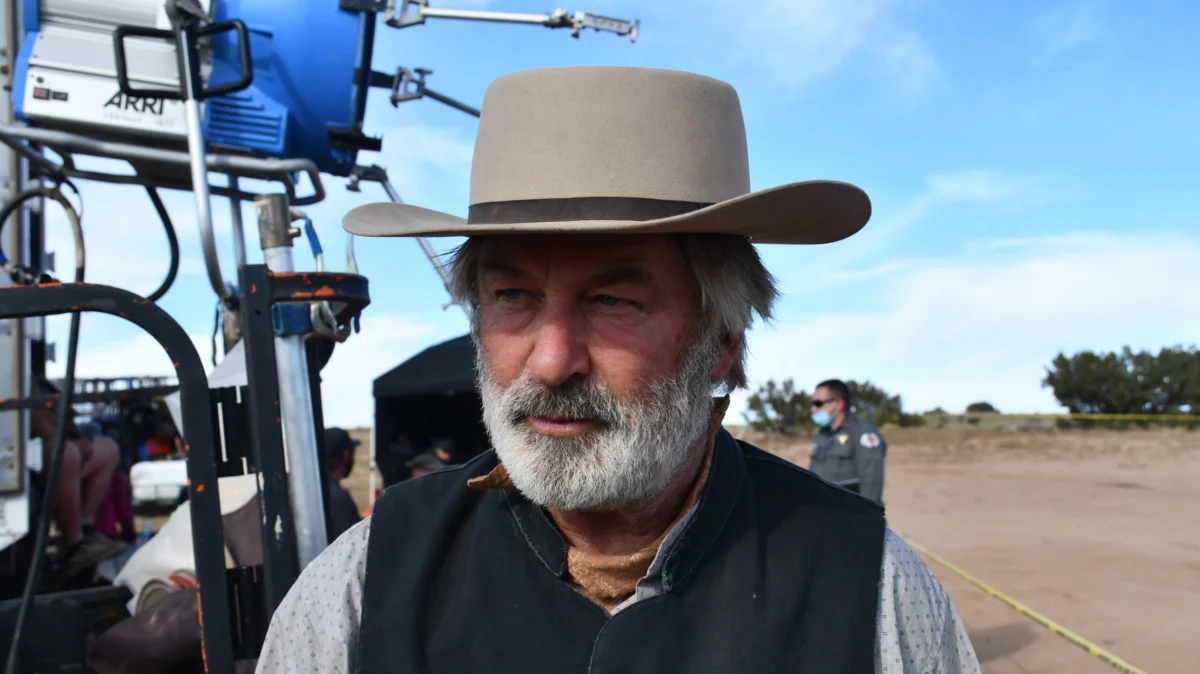
A Los Angeles Superior Court judge has ruled that actor Alec Baldwin must face a civil trial in October, reigniting a legal saga that has cast a long shadow over Hollywood and its safety protocols since the tragic 2021 shooting on the set of the film “Rust.” The decision, handed down by Judge Maurice Leiter on Friday, paves the way for a jury to determine if Baldwin acted negligently when a prop gun discharged, leading to the death of cinematographer Halyna Hutchins and the injury of director Joel Souza.
This latest legal development comes after a tumultuous period for Baldwin, who has been at the center of both criminal and civil proceedings stemming from the October 21, 2021 incident in Santa Fe, New Mexico. While a high-profile involuntary manslaughter case against him was dismissed in July 2024, a ruling attributed to prosecutors withholding crucial evidence, the actor remains entangled in a web of civil lawsuits. These cases seek to hold him accountable for the profound emotional and physical distress suffered by those present during the harrowing event, underscoring the enduring pain and unresolved questions surrounding the tragedy.
Among the plaintiffs is Serge Svetnoy, a veteran gaffer who was on the “Rust” set and witnessed the fatal shooting firsthand. Svetnoy’s lawsuit alleges that he suffered severe emotional distress due to what he describes as gross negligence on the part of Baldwin and the film’s production company. His proximity to the incident – he was standing near Hutchins when the gun fired – forms the core of his claim, highlighting the psychological trauma inflicted upon crew members who bore witness to the horrific event.
Baldwin has consistently maintained his innocence, asserting that he had no knowledge that the .45-caliber Colt revolver handed to him contained a live round. He has also vehemently denied pulling the trigger, claiming the weapon discharged without his direct action. These statements, however, clash sharply with standard firearm safety protocols on film sets, which dictate that weapons should always be treated as if loaded and never pointed at another person. The presence of a live round on a film set, where only blanks or dummy rounds are permitted, represented a catastrophic breach of industry safety standards, igniting a widespread debate about accountability and oversight in filmmaking.
In his summary judgment ruling, Judge Leiter rejected defense arguments from both Rust Movie Productions and Baldwin, who contended they were not legally responsible for ensuring set safety. This rejection means that the question of responsibility will now be put before a jury, a significant blow to the defense’s efforts to avoid a full trial. The judge’s reasoning focused on the potential for a jury to find Baldwin’s actions negligent, regardless of his intent.
“A reasonable jury could find that Mr. Baldwin recklessly disregarded the probability that pointing a gun in the direction of someone, with the finger on the trigger, would cause emotional distress,” Judge Leiter wrote in his decision. This statement encapsulates the central argument against Baldwin in the civil case: even if he believed the gun was safe, the act of pointing it at another person with his finger on the trigger could be interpreted as a reckless disregard for the safety and well-being of those around him. This perspective places a heavy burden of responsibility on actors handling prop weapons, emphasizing that their actions, regardless of intent, can have devastating consequences.
Svetnoy, though physically uninjured in the shooting, vividly described feeling a powerful “whoosh” of air and hearing a deafening “loud bang” as the gun discharged. The immediate aftermath, witnessing the collapse of Hutchins and Souza, left him profoundly traumatized, he claims. While Judge Leiter dismissed Svetnoy’s claim for assault, finding no evidence that Baldwin intended to harm anyone, the allowance of other claims underscores the court’s recognition of the severe psychological impact of such an event on witnesses. The distinction between intent and negligence is critical here; while assault requires malicious intent, negligence focuses on a failure to exercise reasonable care.
Should the case proceed to trial – and not be settled out of court, a common occurrence in civil litigation – Baldwin will once again face intense scrutiny over his conduct on the “Rust” set. The trial will delve deep into whether his actions, particularly pointing a firearm at crew members and the alleged pulling of the trigger, constituted reckless behavior. This public examination will undoubtedly dredge up painful memories and force a re-evaluation of the events that led to Hutchins’ death, not only for Baldwin but for the entire industry.
John Upton, Svetnoy’s attorney, articulated the plaintiff’s core argument during Friday’s hearing, stating, “Mr. Baldwin is the last line of defense. Guns generally do not shoot themselves.” This powerful assertion places direct responsibility on the individual handling the weapon, regardless of the chain of command or prior safety failures. It speaks to the fundamental principle that the person holding a firearm bears ultimate accountability for its safe operation. This argument resonates particularly within the film community, where the handling of props, especially weapons, is governed by strict protocols designed to prevent precisely this kind of tragedy.
Judge Leiter’s ruling allowed Svetnoy’s claims for punitive damages, negligence, and intentional infliction of emotional distress to proceed. The inclusion of punitive damages is particularly significant, as these are awarded not to compensate for actual loss but to punish the defendant for egregious conduct and to deter similar actions in the future. This suggests that the court views the alleged negligence as potentially severe enough to warrant a stronger form of condemnation than mere compensatory damages.
Rust Movie Productions had attempted to argue that Svetnoy’s claims should be handled through the workers’ compensation system, a common legal maneuver to limit liability in workplace injuries. However, Judge Leiter rejected this argument, finding that the production company had failed to demonstrate that workers’ compensation was even available to Svetnoy, primarily because the company did not have any direct employees in the traditional sense. This highlights a complex aspect of film production, where many crew members are independent contractors, often falling outside the protections of traditional employee benefits and compensation systems, thereby opening avenues for civil litigation.
Outside the courtroom, Upton expressed his satisfaction with the outcome. “We’re pleased with the court’s decision,” he remarked, “And we’ll see where it goes from here.” His statement reflects the cautious optimism of a legal team that has successfully cleared a major hurdle but still faces the complexities and uncertainties of a full trial.
The trial was initially slated to commence on May 26, but both parties requested a substantial continuance to allow for further discovery – the process of exchanging information between opposing sides – and to explore the possibility of a settlement. Recognizing that the case has now lingered for nearly five years, Judge Leiter firmly set the new trial date for October 12, signaling his reluctance to entertain any further delays. “I’m a little concerned about this case going on and on and on when it should be coming to a resolution,” the judge stated, echoing a sentiment likely shared by all involved, particularly those seeking closure after the devastating incident.
This civil trial promises to be a pivotal moment, not only for Alec Baldwin and Serge Svetnoy but for the broader film industry. It will undoubtedly reignite discussions about on-set safety, the responsibilities of actors and producers, and the psychological toll such tragedies inflict on all involved. For Halyna Hutchins’ legacy, it ensures that the circumstances of her death remain a focal point, pushing for greater accountability and, hopefully, preventing similar catastrophes in the future. The outcome could set new precedents for how negligence is defined and punished in the unique and often high-stakes environment of film production, ultimately shaping a safer future for creative professionals in Hollywood.