


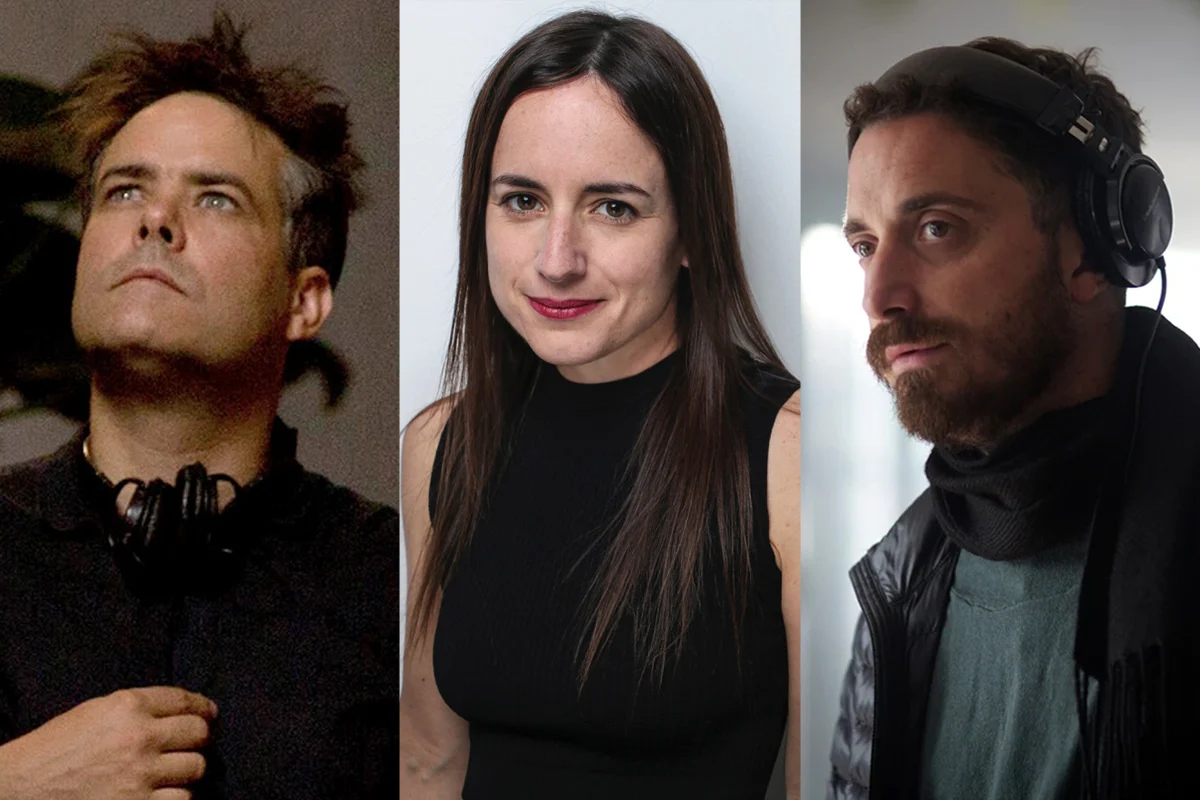
The vibrant tapestry of Chilean cinema unfurls with unprecedented brilliance at the 41st Guadalajara International Film Festival (FICG), where the South American nation holds the prestigious mantle of guest country of honor. A formidable delegation, spearheaded by a triumvirate of internationally acclaimed filmmakers—Pablo Larraín, Sebastián Lelio, and Maite Alberdi—is commanding global attention, signaling a profound moment for the industry and its burgeoning creative talent. Their presence, alongside a robust showcase of films, series, and industry initiatives, underscores Chile’s ascent as a powerhouse in contemporary world cinema.
This remarkable surge of talent has been affectionately dubbed Chile’s "golden generation" by industry insiders, a designation that speaks volumes about their collective achievements and profound influence. Alexandra Galvis, the astute director and co-founder of CinemaChile, articulated this sentiment to Variety, emphasizing their extraordinary trajectory. "They are our golden generation of filmmakers – many of whom reached international recognition, including Oscar nominations and wins, while still in their forties – that helped set us on this path," Galvis stated. This generation, she elaborated, is characterized not only by their critical accolades but also by their savvy navigation of the global industry landscape. Their willingness to collaborate with major platforms like Netflix, while steadfastly preserving a distinct and uncompromising artistic voice, sets them apart. This delicate balance of commercial viability and creative integrity has been pivotal in solidifying Chile’s reputation on the international stage.
The festival’s embrace of these luminaries is multifaceted. Larraín, Lelio, and Alberdi are among ten distinguished honorees at this year’s FICG, a testament to their individual contributions and collective impact. Their work, often delving into the complex historical, social, and personal narratives of Chile and beyond, has resonated deeply with audiences and critics alike, earning them a coveted place in cinematic history. Complementing this contemporary celebration, the festival also features a retrospective dedicated to the legendary Alejandro Jodorowsky. A cult filmmaker whose surrealist visions and philosophical explorations have left an indelible mark on cinema, Jodorowsky’s work serves as a fascinating historical counterpoint, reminding attendees of the rich, often subversive, artistic heritage from which modern Chilean cinema draws inspiration. His influence, spanning Latin America and the global stage, highlights a lineage of artistic audacity that continues to define the nation’s filmmakers.
A key highlight of the festival’s industry programming is a highly anticipated masterclass featuring the acclaimed Larraín brothers, Pablo and his equally influential producer sibling Juan de Dios Larraín. Their session, moderated by Francisco Ramos, Netflix’s VP of Latin American Content, offers invaluable insights into their collaborative process and their strategic approach to filmmaking in a rapidly evolving global market. Such interactions are crucial for fostering new talent and sharing the wisdom gleaned from navigating both independent and mainstream production landscapes.
Pablo Larraín, a name synonymous with incisive social commentary and compelling character studies, has firmly established himself as a leading voice in contemporary cinema. His films are renowned for their sharp critiques of power, memory, and political history, often exploring the lingering shadows of Chile’s past. A multiple Oscar nominee, Larraín’s filmography is a masterclass in challenging narratives. His seminal works include "No," which brilliantly chronicled the 1988 plebiscite that ended Augusto Pinochet’s dictatorship; "The Club," a searing examination of disgraced priests; "Neruda," a poetic and intricate portrayal of the famous poet and politician; and "Tony Manero," a dark dive into a man obsessed with John Travolta’s character during the dictatorship. For a women-focused audience, his recent "trilogy" focusing on iconic female figures — "Jackie," "Spencer," and the upcoming "Maria" — stands out. These films offer intimate, often haunting, portraits of women navigating immense public pressure and personal turmoil, revealing the profound humanity beneath their legendary status. Larraín’s ability to extract nuanced performances from actresses like Natalie Portman, Kristen Stewart, and Angelina Jolie (set to star in "Maria") underscores his profound understanding of female agency and vulnerability within historical contexts.
Sebastián Lelio, another pillar of this golden generation, is celebrated for his intimate and human explorations of identity, often through the lens of female protagonists. His films are characterized by a profound empathy and an unflinching gaze into the complexities of human relationships and self-discovery. Lelio first garnered international acclaim with "Gloria," a moving portrayal of a middle-aged woman rediscovering love and self-worth. It was his groundbreaking "A Fantastic Woman," however, that cemented his global stature, earning him an Oscar for Best Foreign Language Film. This powerful narrative followed a transgender woman’s fight for recognition and dignity after her partner’s death, offering a nuanced and vital representation of trans identity that resonated deeply worldwide. Lelio continued his exploration of female experience in films like "Disobedience," starring Rachel Weisz and Rachel McAdams, which delved into forbidden love within an Orthodox Jewish community, and "The Wave," which premiered at Cannes, further solidifying his reputation for crafting emotionally resonant and thought-provoking cinema that challenges societal norms and celebrates individual spirit. His commitment to bringing marginalized voices and complex female narratives to the forefront makes his work particularly resonant for women-focused audiences.
Maite Alberdi stands as a singular voice in documentary filmmaking, distinguished by her tender, precise observation of everyday life. Her work elevates the mundane to the profound, often focusing on elderly individuals or those on the periphery of society, imbuing their stories with universal significance. Alberdi’s Oscar-nominated documentaries, "The Mole Agent" and "The Eternal Memory," brought her global recognition for their innovative storytelling and profound humanism. "The Mole Agent," a unique blend of espionage thriller and observational documentary, captivated audiences with its portrayal of an elderly man hired to investigate a nursing home. "The Eternal Memory," meanwhile, offered a deeply moving look at love and memory amidst Alzheimer’s, resonating with raw emotional power. Alberdi’s recent foray into fiction with her first feature, "In Her Place," and the premiere of her docu-drama "A Child of My Own" at the Berlinale, showcase her versatility and continued evolution as a filmmaker. Her ability to craft narratives that are both specific to Chilean experience and universally relatable, particularly in challenging stereotypes of aging and female experience, has made her a beloved figure in the documentary world.
The festival’s screening schedule is a rich tapestry of Chilean cinematic excellence. Audiences will have the opportunity to experience Lelio’s "Gloria" and Larraín’s "The Club," alongside a curated selection of four of Alberdi’s acclaimed documentaries, including the Mexico-set "A Child of My Own." This comprehensive showcase extends beyond features to include a diverse array of Chilean shorts and series, some competing for festival honors, underscoring the breadth and vitality of the nation’s audiovisual output.
The growth of Chilean series, in particular, has been exponential since Chile was first the guest country of honor at FICG in 2019. This year’s festival offers tantalizing glimpses into this burgeoning sector. Prime Video’s ambitious series "The House of the Spirits," an adaptation of Isabel Allende’s iconic debut novel, is generating significant buzz. Two episodes will be screened ahead of its worldwide premiere on April 29. The series is particularly noteworthy for being led by a powerful team of Chilean showrunners, including Francisca Alegría, Fernanda Urrejola, and Andres Wood. Allende’s novel, a cornerstone of Latin American literature, is celebrated for its sweeping saga of the Trueba family, interweaving magical realism with the political upheavals of a nameless Latin American country, and is deeply resonant for its themes of matriarchy, resilience, and female strength across generations. The leadership of women like Alegría and Urrejola in bringing this beloved story to the screen marks a significant moment for female representation behind the camera in high-profile international productions.
Further demonstrating the strength of Chilean television, "Raza Brava," the soccer-themed series from International Emmy winner Hernán Caffiero, will also have a sneak peek. Produced by DeCulto, Atómica, and Erik Barmack’s Wild Sheep Content, this series promises to tap into the fervent passion for soccer across Latin America. Galvis highlighted its timely relevance, noting, "’Raza Brava’ could not be timelier, given the upcoming FIFA World Cup this summer." This burgeoning series sector illustrates a strategic expansion of Chilean storytelling beyond the silver screen, reaching wider audiences through episodic narratives.
The spirit of collaboration and mutual enrichment between Chile and Mexico is a palpable theme throughout the festival. Daniel Laguna, executive secretary of Chile’s Audiovisual Development Fund, emphasized the profound cultural dialogue between the two nations. "We are a delegation of more than 100 people, and I find it very meaningful that two countries with such a strong cultural dialogue are able to connect," Laguna observed. He underscored the shared cultural fabric, stating, "We are very similar, and that similarity becomes a real strength in collaboration. It generates a kind of creative virtuosity when we work together – something that benefits both countries." This sentiment forms the bedrock of a crucial Mexican-Chilean co-production meeting, a strategic initiative designed to foster deeper ties and joint ventures.
The co-production meeting features a distinguished panel including Hernán Caffiero, alongside prominent Mexican producers Edher Campos (Machete) and Nicolás Celis (Pimienta Films), Chilean actress Paulina García, and Mexican director Iria Gómez. This assembly of diverse talent is tasked with reactivating a co-production agreement first proposed in 2019. Gabriela Sandoval, a producer at Storyboard and director of the producers’ association APCT, elaborated on the initiative: "This is essentially an effort to reactivate that interest in a co-production agreement which was first proposed in 2019." The goal, Sandoval explained, is to establish an agreement akin to recent ones signed with Spain or the upcoming one with Uruguay. She highlighted the success of the Spanish agreement, which is already in force and encompasses not only feature films but also series, setting a precedent for comprehensive cross-border creative partnerships. Such agreements are vital for pooling resources, accessing broader markets, and fostering a richer exchange of talent and narratives, ultimately enriching the cinematic landscape of both nations.
Chile’s influence at FICG extends beyond screenings and industry panels to the very core of the festival’s adjudication. Prominent figures from the Chilean industry are serving on various festival juries, lending their expertise and unique perspectives to the evaluation of global cinema. Among these esteemed jurors are the celebrated actress Paulina García (Premio Mezcal), producer Beatriz Rosselot (Ibero-American Documentary), filmmaker Hugo Covarrubias (Animation), directors Patricio Valladares and Jorge Olguín (Genre Cinema), and Agustín Olivera Sepúlveda from the University of Valparaíso, who contributes to the youth jury. The presence of such diverse and accomplished Chilean professionals on these juries underscores the depth of talent within the nation’s film industry and reinforces its growing international stature, ensuring that Chilean voices continue to shape the future of global cinema.
The Guadalajara Film Festival, through its celebration of Chile, is not merely showcasing a country’s cinematic output; it is spotlighting a cultural phenomenon. The "golden generation" of filmmakers, coupled with burgeoning talent in television and a strategic vision for international collaboration, demonstrates that Chilean cinema is not just thriving—it is actively charting a new course for storytelling in Latin America and on the global stage. This moment is a testament to the power of distinct artistic voices, strategic industry leadership, and a deep commitment to exploring the human condition through the lens of a nation rich in history, resilience, and creative spirit.