


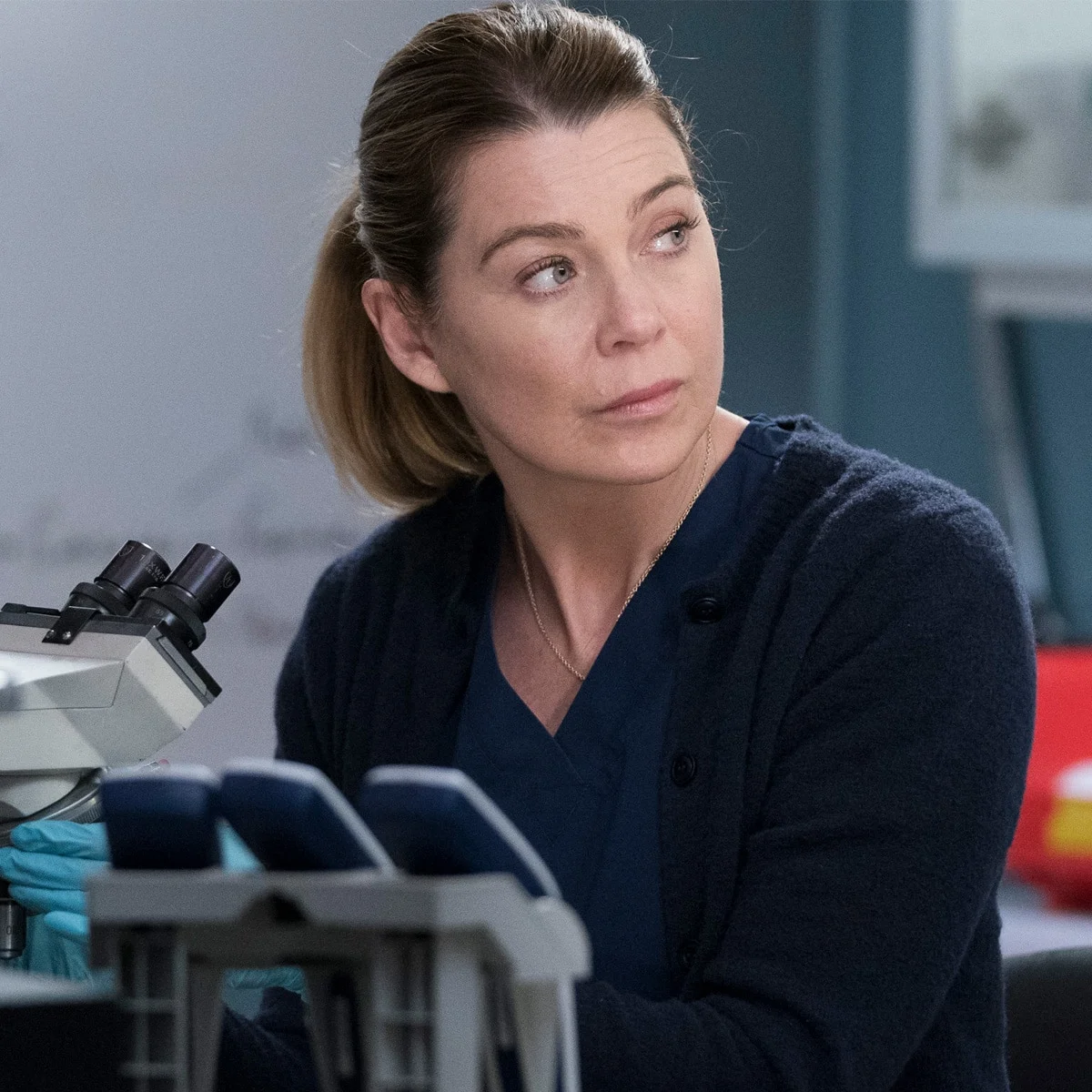
The hallowed, blood-stained halls of Grey Sloan Memorial Hospital are preparing for another seismic shift as two of its most enduring pillars prepare to hang up their stethoscopes. In a move that marks the end of a long-running romantic saga, Kevin McKidd and Kim Raver—the actors behind the tempestuous yet beloved duo of Dr. Owen Hunt and Dr. Teddy Altman—are officially set to depart Grey’s Anatomy. The news comes as the series, a cornerstone of American television, navigates its 22nd season, continuing its reign as the longest-running scripted prime-time show in ABC history. Series creator Shonda Rhimes, the visionary architect of the "Shondaland" empire, characterized the exit as a planned narrative conclusion, noting that it felt both "bittersweet and joyful" to finally grant the couple the stable happy ending that has eluded them through years of trauma, love triangles, and medical miracles.
The departure of McKidd and Raver is more than just a casting change; it is a reminder of the relentless "revolving door" nature of a show that has survived for over two decades by constantly reinventing itself. Since its premiere as a mid-season replacement on March 27, 2005, Grey’s Anatomy has seen a staggering number of doctors come and go. Today, only three original cast members remain from the pilot episode: Chandra Wilson (Dr. Miranda Bailey), James Pickens Jr. (Dr. Richard Webber), and the show’s titular heart, Ellen Pompeo. While Pompeo’s Dr. Meredith Grey remains the emotional anchor of the series, her physical presence has shifted since 2022, as the actress stepped back from a full-time schedule to balance her roles as an executive producer and a mother. Pompeo recently reflected on this transition, explaining that after 20 years, it was simply time to step away from the daily grind while remaining tethered to the world she helped build.
The longevity of Grey’s Anatomy is a phenomenon that few could have predicted in 2005. At the time, medical dramas like ER were the industry standard, and Ellen Pompeo herself was initially hesitant to join the genre. Having never seen an episode of ER, she feared becoming "stuck" on a medical show for five years—a concern that seems almost humorous in hindsight, given her two-decade tenure. Shonda Rhimes, however, was certain about her lead. She had envisioned a protagonist with the spirit of the "girl from Moonlight Mile," and when Pompeo, who starred in that 2002 film opposite Jake Gyllenhaal, was suggested, the pieces fell into place.
The path to success was riddled with "complications"—literally. Before the show became a household name, ABC executives, including then-president Steve McPherson, reportedly loathed the title Grey’s Anatomy. The production briefly moved forward under the title Complications, and other suggestions like Surgeons and even the much-hated Miss Diagnosis were floated. Despite the title uncertainty and a production halt after just one episode to address creative concerns, the show found its footing. It wasn’t just the writing that clicked; it was the chemistry. While the network originally pushed for Rob Lowe to play the "McDreamy" neurosurgeon Dr. Derek Shepherd, Lowe turned it down for a different project. The role eventually went to Patrick Dempsey, who shared an undeniable, "scientific" chemistry with Pompeo that would define the show’s early years.
As the show grew into a cultural juggernaut, it also became a lightning rod for behind-the-scenes drama that occasionally eclipsed the onscreen storylines. Shonda Rhimes has spoken candidly about the "trauma" of the 2007 scandal involving Isaiah Washington, who was fired after using a homophobic slur during an on-set argument. The incident shattered the "bubble of joy" surrounding the show’s early success and left a lasting mark on the cast. However, the show proved its resilience, even bringing Washington back years later to provide a proper send-off for Sandra Oh’s Cristina Yang, proving that narrative integrity often trumped past grievances.
Similarly, the exit of Katherine Heigl remains one of the most discussed chapters in television history. Heigl, who won an Emmy for her portrayal of Izzie Stevens, became a controversial figure after withdrawing her name from Emmy consideration in 2008 and criticizing the show’s demanding 17-hour workdays. While she was labeled "difficult" at the time, Ellen Pompeo has since come to her defense, noting that Heigl was "ahead of her time" for speaking out against grueling industry standards. Today, Heigl’s exit is viewed with more nuance, and her character was eventually given a "happily ever after" with Justin Chambers’ Alex Karev, a move the writers felt was necessary to honor the fans’ long-term investment in their relationship.
The departure of Patrick Dempsey in Season 11 was perhaps the show’s biggest gamble. Amid rumors of tension and "PTSD" on set, the decision to kill off Derek Shepherd was a shock to the system. Yet, Grey’s Anatomy proved it could survive even the loss of its leading man. The show shifted its focus more heavily onto Meredith’s journey as a widow, a mother, and a world-class surgeon, proving that her character was more than just half of a famous couple. Pompeo used this transition as a "defining moment" for her career, leveraging her indispensable status to negotiate a landmark $20 million-a-year deal. Her argument was simple: her face and voice had generated billions for Disney, and she deserved a piece of that legacy.
Financially, the show remains a goldmine. With over a billion streams in 2024 alone, Grey’s Anatomy continues to find new audiences among younger generations who binge-watch the series on digital platforms. This enduring popularity is why veteran stars like Chandra Wilson and James Pickens Jr. continue to scrub in. Wilson, who once feared her real-life pregnancy during Season 1 would lead to her being written out, has become an off-screen leader for the production. She often speaks about the "kernels of hope" that showrunner Meg Marinis weaves into the scripts, providing a necessary counterweight to the show’s penchant for catastrophic events—ranging from plane crashes and ferry boat disasters to hospital shootings.
The medical realism of the show, while often debated by actual professionals, remains a point of pride for the cast. While Pompeo admits she wouldn’t pretend to know a tenth of what real doctors know, the show has never shied away from "ripped from the headlines" storytelling. From a dedicated season focused on the front-line struggles of the COVID-19 pandemic to exploring the complexities of the American healthcare system, the series uses its platform to reflect the challenges faced by medical professionals today.
As Kevin McKidd and Kim Raver prepare to exit, the "Grey’s" universe continues to expand and contract, proving that while individual doctors may leave, the hospital itself remains a living, breathing entity. The departure of Owen and Teddy marks the conclusion of a chapter defined by military medicine, complex parenting, and a love that survived the highest of stakes. For the fans who have "picked, chosen, and loved" this show for 21 years, the loss of these regulars is a poignant reminder of the passage of time. Yet, with "kernels of hope" still being dropped into every script, the heartbeat of Seattle Grace—now Grey Sloan Memorial—shows no signs of flatlining. The show remains a testament to the power of resilient storytelling, proving that as long as there are lives to be saved and hearts to be broken, there will always be a place for Meredith Grey and her fellow surgeons to scrub in.