As the world marks World Water Day in 2026, the global community finds itself at a critical juncture where the survival of our natural ecosystems and the stability of our social structures are increasingly under threat. In this era defined by the escalating volatility of climate change and widening economic disparities, water has emerged as the most significant barometer of our shared future. It is no longer merely a resource to be managed; it is the fundamental infrastructure of human dignity. For UN Women, this day serves as a poignant reminder that the quest for water security is inextricably linked to the quest for gender equality. When we talk about the flow of water, we are talking about the flow of opportunity, health, and power.
The statistics remain a sobering testament to a world out of balance. While water is the essence of life, sustaining everything from basic hygiene and food production to industrial livelihoods, billions of people continue to live without reliable access to safe sanitation and clean drinking water. However, the weight of this crisis is not distributed evenly. The global water crisis has a female face. Across continents, it is women and girls who stand on the front lines of water scarcity, bearing the heaviest burdens of a drying planet. This is not a matter of biological destiny but a consequence of deeply entrenched systemic inequalities that dictate who has access to resources and who is tasked with the labor of securing them.
Every single day, women and girls across the globe spend a combined total of millions of hours in the arduous pursuit of water. This is a staggering theft of time—a "time poverty" that robs girls of their right to education and prevents women from engaging in paid work, political participation, or even the basic necessity of rest. In many rural communities, the trek to the nearest water source can take hours, often through treacherous terrain where the threat of physical and sexual violence is a constant shadow. When water is scarce, the domestic workload increases exponentially, and it is almost always the female members of the household who must navigate these hardships.
The impact on health is equally devastating. Without clean water and adequate sanitation, women are at higher risk of waterborne diseases, which is compounded during pregnancy and childbirth. Maternal health is significantly compromised when clinics lack running water, turning what should be a moment of hope into a period of extreme risk. Furthermore, the lack of private and safe sanitation facilities remains a major barrier to menstrual hygiene management, often forcing girls to drop out of school once they reach puberty. These are not just individual tragedies; they are systemic failures that stifle the economic and social potential of entire nations. When water is unsafe or unavailable, the gap between the privileged and the marginalized widens, and the ladder of opportunity is pulled up for those who need it most.
This reality was starkly articulated three decades ago during the landmark Beijing Declaration and Platform for Action. In 1995, world leaders gathered to chart a course for women’s empowerment, recognizing even then that women play a central role in environmental sustainability. The Beijing platform called for the full and equal participation of women in the management and safeguarding of all natural resources. It acknowledged that women possess unique knowledge and traditional expertise in resource management that is vital for ecological balance. Today, thirty years after those commitments were made, the urgency of that call has only intensified. The promises made in Beijing must transition from historical rhetoric into modern, funded, and enacted policy.
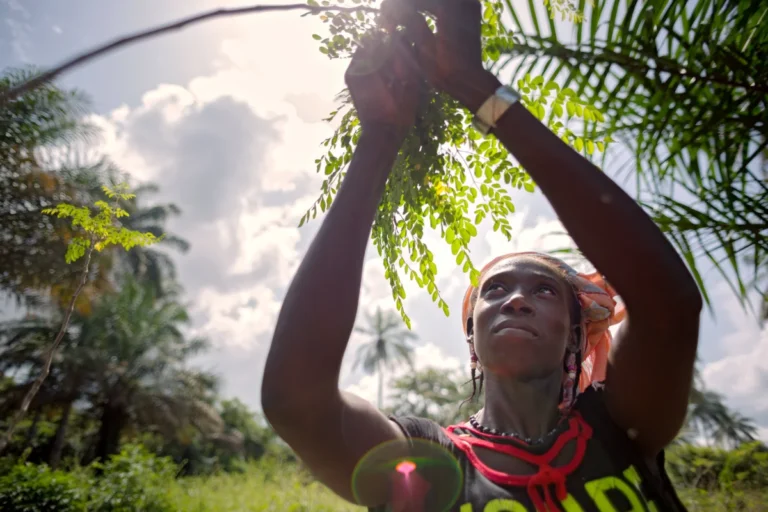
Despite being the most affected by water insecurity, women are far from being mere victims of their circumstances. They are, and have always been, powerful agents of change and the primary managers of water in their households and communities. From the grassroots level to the highest echelons of government, women are innovating solutions to the water crisis. They are leading community-based water committees, developing climate-resilient farming techniques, and advocating for the protection of local watersheds. Yet, despite this leadership, women remain significantly underrepresented in formal water governance and high-level decision-making processes.
This year’s World Water Day theme, “Water and Gender Equality – Where water flows, equality grows,” serves as a clarion call for a fundamental shift in how the world approaches water management. It is no longer enough to provide "gender-neutral" solutions, which often overlook the specific needs and barriers faced by women. Instead, the international community must adopt a transformative, rights-based approach that places women’s leadership at the very center of the water agenda. This means moving beyond token representation and ensuring that women have a decisive seat at the table where budgets are set, infrastructure is planned, and policies are drafted.
To achieve this, we must prioritize gender-responsive water governance. This involves a rigorous analysis of how water policies affect men and women differently and ensuring that the voices of the most marginalized—including indigenous women, women with disabilities, and those living in extreme poverty—are heard. Governance must be backed by gender-responsive financing. Currently, a minuscule fraction of climate and water funding is specifically directed toward programs that empower women or address gender-specific water needs. We must bridge this funding gap by investing in infrastructure that reduces the domestic burden on women and by supporting women-led enterprises in the water and sanitation sectors.
Furthermore, we must recognize that water is a catalyst for resilience. In the face of a changing climate, communities that have equitable water management systems are better equipped to handle droughts, floods, and resource competition. When women are involved in managing water, the outcomes are demonstrably better: systems are more transparent, maintenance is more consistent, and the benefits are distributed more fairly across the community. Water, when managed through the lens of equality, becomes a tool for peace-building and social cohesion.
As we look toward the future, the message from UN Women is clear: the global water crisis cannot be solved without addressing the gender crisis. We cannot hope to achieve the Sustainable Development Goals if we continue to ignore the fact that half of the world’s population is being held back by a lack of basic resources. The vision is a world where every woman and girl has the water she needs to thrive, where her time is her own, and where her leadership is recognized as the essential force it is.
The work ahead is significant, but the path is well-defined. We must dismantle the barriers that prevent women from accessing and managing water. We must invest in the technologies and services that ensure no one is left behind. And we must uphold the rights of women to be the architects of their own environment. Water has the power to be a force for profound equality, resilience, and prosperity. It is the thread that connects our health, our economy, and our environment. Together, through intentional action and sustained investment, we can ensure that where water flows, equality truly does grow—for all women and girls, for every community, and for the generations that will inherit this planet. This is not just a goal for 2026; it is the mandate for our survival and our collective success.