


Jon Stewart Quips as Domestic Violence Allegations Force Unprecedented Halt to ‘The Bachelorette’ Season
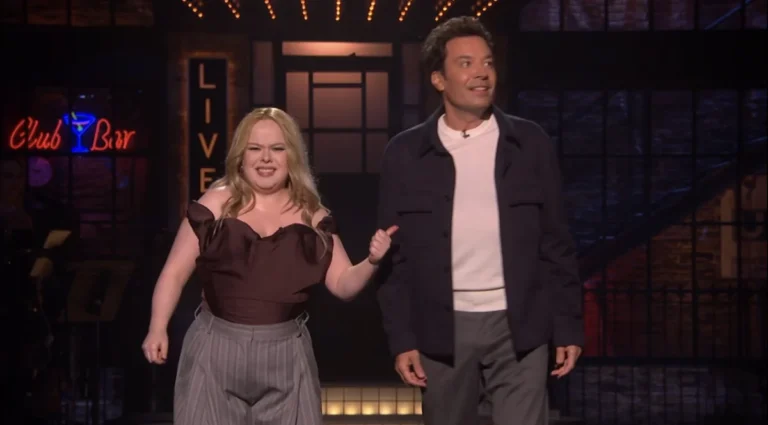
The often-absurd intersection of pop culture and pressing global events found its comedic maestro this week as Jon Stewart, in his trenchant return to *The Daily Show*, aimed his satirical gaze at ABC’s abrupt decision to pull the plug on the latest season of *The Bachelorette*. The controversy centers on would-be star Taylor Frankie Paul, a prominent social media influencer whose anticipated journey to find love was derailed by explosive allegations of domestic violence involving her ex-partner, Dakota Mortensen. Stewart’s commentary, delivered with his signature blend of cynicism and wit, highlighted the stark contrast between the escapist fantasies offered by reality television and the often-grim realities that can intrude upon them, leaving audiences to grapple with both laughter and discomfort.
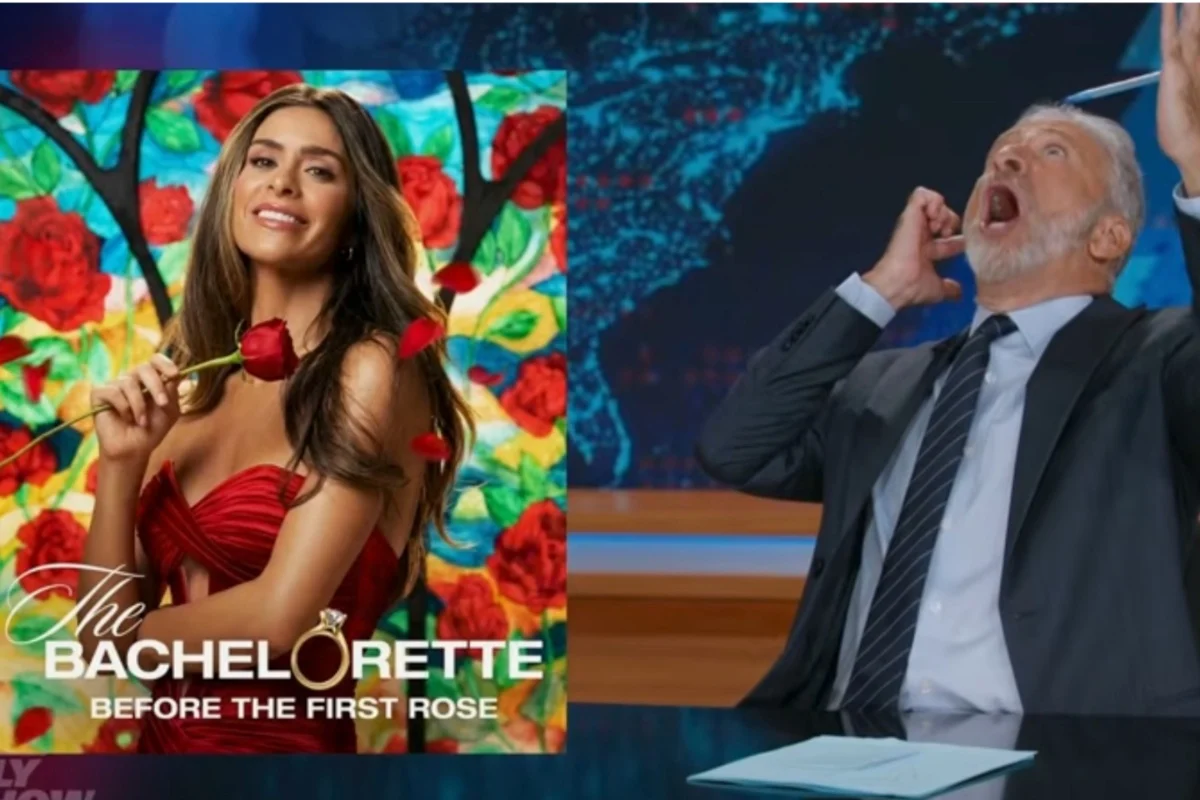
Stewart, whose recent return to the *Daily Show* desk on Monday nights has been met with widespread acclaim, framed the *Bachelorette* debacle within his broader assessment of contemporary American life. He characterized “Trump’s America” as a “dizzying, chaotic carnival ride,” a metaphor he expanded upon by citing a litany of modern anxieties: the interminable queues at TSA checkpoints, escalating geopolitical tensions in the Middle East, and even the bizarre spectacle of “planes driving into trucks.” In this landscape of relentless absurdity and genuine concern, Stewart quipped, there was one singular source of unadulterated joy he had been clinging to: the upcoming season of *The Bachelorette*.
With his characteristic deadpan delivery, Stewart feigned earnest anticipation for the show, noting the casting of a “strong, Mormon woman” who “seems lovely” and expressing hope for her romantic success. The punchline, however, arrived swiftly and abruptly, mirroring the real-world developments. “Hope that she finds — hold on, I am getting a call…..no!” Stewart exclaimed, perfectly capturing the moment of sudden disappointment and the jarring intrusion of harsh reality into the carefully constructed world of reality television. His segment served not only as a comedic send-up but also as a commentary on the collective desire for escapism in turbulent times, only to have that escape route abruptly sealed off by a far more serious narrative.
The network’s decision to shelve the season was not taken lightly. On March 19, a spokesperson for Disney Entertainment Television confirmed the unprecedented move, stating, “In light of the newly released video just surfaced today, we have made the decision to not move forward with the new season of ‘The Bachelorette’ at this time, and our focus is on supporting the family.” This announcement came mere days before the highly anticipated Season 22 premiere, originally slated for March 22. For a franchise that has consistently delivered drama and romance for over two decades, an outright cancellation of an entire season is virtually unheard of, signaling the profound severity of the circumstances. It sent shockwaves through the entertainment industry and among the show’s loyal fanbase, forcing a reevaluation of the moral and ethical responsibilities of reality television producers.
At the center of this unforeseen controversy is Taylor Frankie Paul, a name that resonates strongly within the digital influencer sphere, particularly the “Mormon MomTok” community. Paul had garnered a substantial following across platforms like TikTok, sharing insights into her life as a Latter-day Saint mother. This niche of content creation, where creators share aspects of their faith, family life, and personal experiences, has become incredibly popular but also prone to intense public scrutiny and internal controversies. Paul herself was no stranger to the spotlight, having previously made headlines for her involvement in “soft-swinging” allegations that challenged traditional perceptions of Mormon family values. Her selection as *The Bachelorette* lead was poised to bring an already complex and highly visible personality to a mainstream audience, promising a season with layers of pre-existing public narrative.
The catalyst for the season’s cancellation was a leaked video that surfaced shortly before the network’s announcement. The disturbing footage reportedly depicted Paul throwing stools at her ex-partner, Dakota Mortensen, while their child was present in the room. This visual evidence of domestic strife, particularly with a minor nearby, triggered immediate and grave concerns within ABC and Disney. The network’s swift action underscored its zero-tolerance stance on such serious allegations, especially those involving the safety and well-being of family members. The incident laid bare the often-perilous tightrope walked by public figures, where deeply personal conflicts can spill into the public domain with devastating consequences, rapidly eroding carefully cultivated public images.
The escalating nature of the situation had been evident days prior. On March 16, Paul’s other reality series, “The Secret Lives of Mormon Wives,” had already announced a temporary halt to its filming schedule. This pause was directly linked to an active domestic violence investigation initiated by the Draper City Police Department in Utah, focusing on the interactions between Paul and Mortensen. The involvement of law enforcement elevated the allegations beyond internet gossip, lending them official weight and signaling a serious legal and personal entanglement that demanded immediate attention from production companies. The confluence of these events — the police investigation, the filming suspension, and then the leaked video — painted a clear picture of a deeply troubled relationship spilling dramatically into the public eye.
In the wake of the video’s leak and the network’s decision, a spokesperson for Taylor Frankie Paul issued a forceful defense, simultaneously redirecting blame towards Mortensen. The statement accused Mortensen of waging a “never-ending, desperate, attention-seeking, destructive campaign to harm Taylor without any regard for the consequences for their child.” It further contended that the leaked video was “old” and “conveniently omits context,” suggesting its release on their son’s birthday was “a reprehensible attempt to distract from his own behavior.” The spokesperson concluded by implying that Mortensen’s actions reflected a pattern of manipulation, evidenced both “on the show” and in their personal history. This highly combative response underscored the deep-seated animosity between the former partners, framing the public scandal as a weaponized aspect of their ongoing personal and potentially legal disputes.
This entire unfolding drama illuminates the increasingly complex ethical dilemmas confronting reality television producers and networks. In an era dominated by social media, where potential contestants often arrive with pre-existing public personas and highly documented histories, the vetting process becomes an intricate challenge. How thoroughly can networks investigate the private lives of individuals, and where does their responsibility begin and end when serious allegations emerge during production or on the cusp of broadcast? The unprecedented cancellation of *The Bachelorette* season sends a resounding message about the network’s commitment to upholding certain ethical standards and protecting its brand integrity in the face of domestic violence allegations, especially those involving children. It also reignites critical discussions about the duty of care owed to reality TV participants, whose personal lives are often exposed to intense public scrutiny, sometimes with profound and unforeseen repercussions.
Furthermore, the incident underscores the potent and often double-edged sword of social media fame. For influencers like Taylor Frankie Paul, the distinction between private life and public persona is perpetually blurred, with every aspect of their existence potentially becoming content. While this can lead to immense popularity and financial opportunities, it also renders them highly vulnerable to intense public scrutiny, the rapid spread of damaging information, and the often-unforgiving court of public opinion. The leaked video, regardless of its origin or the intent behind its release, serves as a stark reminder of how quickly a meticulously crafted public image can unravel, triggering widespread professional and personal ramifications.
Ultimately, ABC’s decision to halt *The Bachelorette* season is a powerful testament to the fact that even in the pursuit of mass entertainment, certain ethical lines cannot be crossed. While Jon Stewart’s sharp satire offered a moment of levity amidst the chaos, the underlying gravity of domestic violence allegations and their profound impact on individuals and families remains a somber and critical concern. The entertainment industry, alongside its vast audience, is left to reflect on the immense responsibilities inherent in platforming public figures, and the sobering consequences when the carefully curated fantasy of reality television collides with the harsh and undeniable realities of life.