


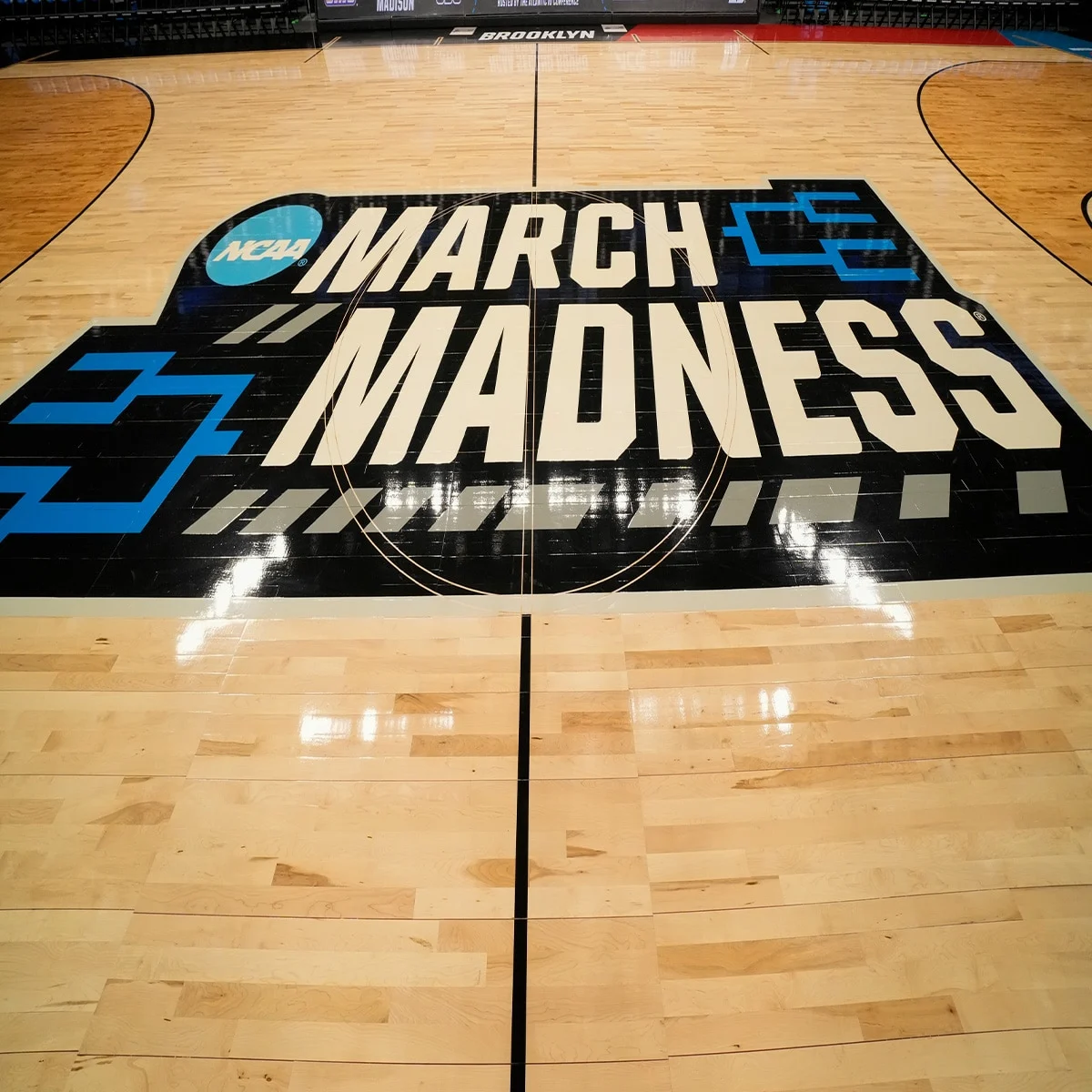
Somewhere in a locker room, a group of athletes is preparing for the ride of a lifetime, perhaps already imagining how their sneakers might transform into glass slippers. The annual NCAA Men’s and Women’s Basketball Tournaments are defined by these "Cinderella" stories—those rare, electric moments where the overlooked and the unheralded rise to become the main attraction. From Stephen Curry’s legendary 2008 run with the Davidson Wildcats to the iconic presence of Sister Jean during Loyola Chicago’s 2018 surge, or the spirited Peacocks of Saint Peter’s in 2022, the world is hardwired to root for the David in a room full of Goliaths. When teams like Kansas, Kentucky, or North Carolina fall to a plucky underdog, it offers a sense of collective catharsis, even for those whose own brackets have already been torn to shreds. There is something deeply human about cheering for the dreamer, and as the 68-team fields for both the men and women are finalized, we prepare to witness which squad will turn a wish into a reality on the hardwood.
The next three weeks promise a whirlwind of high-stakes drama. It is a season of ritual and superstition, where fans wear "lucky" socks, office productivity dips as workers "call in sick" to catch afternoon tip-offs, and the air is thick with the tension of the win-or-go-home format. By the time the dust settles in early April—specifically April 5 for the women and April 6 for the men—only two teams will remain standing to claim their "one shining moment." But the glory isn’t reserved solely for the athletes. Millions of fans, from seasoned experts to those who couldn’t tell a layup from a line-up, will participate in the cultural rite of passage that is filling out a bracket. Despite the endless analysis provided by sports pundits, the truth remains that no one has ever recorded a truly perfect bracket since the first recorded pool began in a Staten Island tavern in 1977. The odds are astronomically against you, but that is precisely what makes the attempt so exhilarating. Whether you are looking to win the office pool or simply want to hold your own in a conversation at a sports bar, this guide serves as your essential playbook for the 2026 tournament.
The journey begins with the "First Four," a series of play-in games where eight teams battle for the final spots in the official 64-team bracket. The men’s tournament officially tipped off on Tuesday, March 17, with the women following suit the next day. From there, the field is ruthlessly halved in each subsequent round: the Round of 64, the Round of 32, the Sweet 16, and the Elite Eight. The final destination for the most elite programs is the Final Four. In 2026, the women’s semifinals and championship will take place at Phoenix’s Mortgage Matchup Center starting April 3. Meanwhile, the men will descend upon Indianapolis to compete at the cavernous Lucas Oil Stadium beginning April 4. The single-elimination nature of the tournament means that every game is a championship game; there are no second chances, only the immediate reality of advancing or heading home.
For those who want to follow the action live, the viewing options are more accessible than ever. The men’s games are primarily broadcast across a family of networks including CBS, TBS, TNT, and truTV. Fans of the women’s game can find the action on ESPN, ESPN2, ESPNews, ESPNU, and ABC. If you have moved away from traditional cable, streaming services like Paramount+ (for CBS games) and Max (for TBS, TNT, and truTV) offer comprehensive coverage. Additionally, the March Madness Live app remains the gold standard for tracking scores and streaming games on the go, ensuring you never miss a buzzer-beater while away from your television.
If you are new to the sport, the mechanics of the game are straightforward but fast-paced. Each team has a 30-second shot clock to attempt a basket. A standard field goal—be it a graceful jump shot, a powerful dunk, or a contested layup—is worth two points. However, if a player shoots from behind the designated three-point arc, the reward increases to three points. The game is also a battle for possession; if a shot is missed, players scramble for the rebound. A defensive rebound gives the other team a fresh clock to start their attack, while an offensive rebound allows the shooting team to try again. A crucial rule to remember: if the ball hits the rim but doesn’t go in, the shot clock resets to 20 seconds, maintaining the frantic pace of play.
Fouls also play a significant role in the scoring. When a referee whistles a foul, players are often sent to the free-throw line. If a player is fouled while in the act of shooting and the ball goes in, they get one "and-one" free throw. If they miss the initial shot, they are awarded two or three free throws depending on where they were standing. These uncontested shots from the charity stripe often decide the outcome of close games in the final minutes. Ultimately, the winner is determined by who has the most points after two 20-minute halves in the men’s game, or four 10-minute quarters in the women’s game.
The path to the tournament is paved with both merit and subjectivity. Of the 68 teams in each bracket, 31 earn automatic bids by winning their respective conference tournaments. This means a team could have a mediocre regular season but still "dance" if they get hot at the right time in their conference playoffs. The remaining 37 at-large spots are selected by a committee that weighs strength of schedule, win-loss records, and various analytical rankings. This selection process is rarely without controversy, often leaving a handful of programs feeling "snubbed" on Selection Sunday. The teams are then distributed into four geographic regions—East, South, Midwest, and West—and seeded from 1 to 16. In theory, the 1-seed is the strongest team and is matched against the 16-seed to reward their regular-season excellence.
For the 2026 season, the men’s field is top-heavy with powerhouses like Arizona, Michigan, Florida, and Duke, alongside Connecticut, Houston, Iowa State, and Purdue. On the women’s side, the competition is equally fierce. UCLA and South Carolina enter as formidable favorites, with Texas, Vanderbilt, Iowa, and LSU all vying for the title. Michigan and the defending champions from UConn also remain central figures in the hunt for the trophy. While these top seeds are the statistical favorites, the beauty of March Madness lies in its unpredictability.
Filling out a "perfect" bracket may be impossible, but there are strategies to help you stay competitive. Historically, 16-seeds rarely beat 1-seeds in the men’s tournament—only UMBC in 2018 and Fairleigh Dickinson in 2023 have ever pulled off the feat. Similarly, 15-seeds rarely topple 2-seeds. In the women’s tournament, upsets at the very top are even more infrequent; Harvard’s 1998 victory as a 16-seed remains a legendary anomaly. However, the "bracket busters" usually reside in the middle of the pack. The 12-over-5 upset is a time-honored tradition, and statistically, the 11-over-6 matchup is the most common upset in the tournament. Experts also suggest that 2-seeds are vulnerable in the second round, losing roughly 1.2 times per year on average.
As the basketball world prepares for this crescendo, it is worth noting the broader spirit of athletic excellence currently sweeping the globe. Much like the 2026 Winter Olympics, which recently saw historic milestones—from Lucas Pinheiro Braathen winning Brazil’s first-ever winter gold to Laila Edwards making history as the first Black woman to represent U.S. hockey—March Madness is about the resilience of the human spirit. Whether it is a figure skater like Amber Glenn showing vulnerability on the ice or a basketball player hitting a game-winning shot as the clock expires, these moments remind us why we watch. March Madness is more than a tournament; it is a three-week testament to the idea that on any given day, anyone can be a hero. So, grab a pen, trust your instincts, and prepare for the madness to begin. Your one shining moment might just be a successful bracket away.