In an era increasingly defined by the volatile shifts of a changing climate and the widening chasm of global inequality, water has emerged as the most critical currency of the 21st century. It is the fundamental element upon which all human progress is built, serving as the cornerstone for public health, food security, and economic stability. Yet, as the world observes World Water Day under the evocative theme “Water and Gender Equality – Where water flows, equality grows,” a sobering reality remains: the global water crisis is not a gender-neutral phenomenon. For billions of people, the lack of access to safe water and sanitation is a daily struggle, but for women and girls, this scarcity represents a systemic barrier to their fundamental human rights and potential.
The disproportionate impact of water insecurity on the lives of women is one of the most persistent and overlooked injustices of our time. Across the globe, women and girls are the primary managers of household water, a role that often tethers them to a cycle of poverty and physical exhaustion. Current data suggests that women and girls collectively spend hundreds of millions of hours every single day trekking to distant sources, queuing at communal pumps, and hauling heavy containers back to their homes. This “time poverty” is a direct thief of opportunity. Every hour spent carrying water is an hour stolen from a girl’s education or a woman’s ability to engage in paid work, participate in community leadership, or simply rest. When water is scarce, it is the education of the daughter that is sacrificed first to assist the mother, ensuring that the cycle of limited literacy and economic dependence continues into the next generation.
Beyond the loss of time, the lack of localized water sources poses a direct threat to the safety and dignity of women. In many regions, the journey to collect water takes women through isolated and dangerous terrain, exposing them to the risk of harassment and gender-based violence. Furthermore, the absence of private, safe, and clean sanitation facilities in schools and workplaces remains a significant factor in girls dropping out of education once they reach puberty. Managing menstrual hygiene without access to water and private toilets is not just a logistical challenge; it is a matter of health and human dignity that, when unaddressed, systematically excludes women from public life.
The international community recognized the gravity of this intersection thirty years ago during the landmark Fourth World Conference on Women. The resulting Beijing Declaration and Platform for Action was a visionary document that identified the environment as a critical area of concern. It explicitly called for the full participation of women in environmental decision-making and the management of natural resources. The architects of the Beijing Declaration understood that women are not merely passive victims of environmental degradation; they are essential stakeholders whose traditional knowledge and daily experiences make them indispensable to sustainable resource management. Today, as we approach the three-decade milestone of those commitments, the urgency to move from rhetoric to reality has never been more pressing. The promises made in Beijing must be revitalized to meet the compounding threats of the modern age.
Climate change acts as a risk multiplier, exacerbating existing water stresses and, by extension, gender inequalities. As droughts become more frequent and prolonged, the distances women must travel to find water increase. As floods contaminate existing wells and infrastructure, the burden of caring for family members who fall ill from waterborne diseases falls squarely on the shoulders of women. In agrarian societies, where women make up a significant portion of the smallholder workforce, the lack of reliable irrigation and water for livestock directly threatens their food security and financial independence. The climate crisis is, in many ways, a water crisis, and the water crisis is a gender crisis.
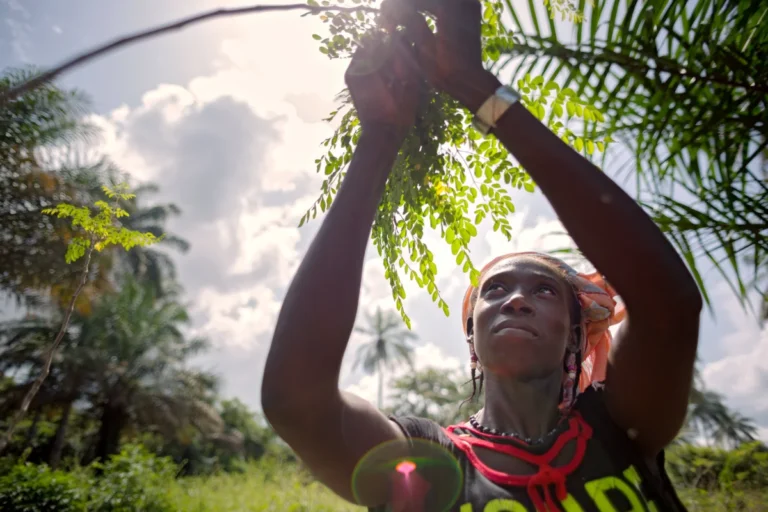
However, the narrative of the global water crisis must shift from one of victimization to one of agency and leadership. Women are already at the forefront of community-level water management. They are the ones who know which wells are failing, which sources are contaminated, and how to ration supply during a dry season. Despite this, they remain vastly underrepresented in the formal halls of water governance. From local water boards to national ministries and international diplomatic forums, the voices of those who bear the greatest burden of water management are often the quietest in the room. This disconnect between daily experience and policy-making leads to infrastructure projects that fail to meet the actual needs of the community, such as pumps located in unsafe areas or sanitation facilities that do not account for menstrual hygiene.
To bridge this gap, a transformative, rights-based approach is required. This means investing in gender-responsive water governance that actively seeks out and elevates women’s leadership at every level. It requires a fundamental shift in how water projects are financed and implemented. True progress will only be achieved when gender equality is integrated into the design, budgeting, and monitoring of water and sanitation services. This includes ensuring that women have legal rights to land and water resources, providing technical training for women to maintain water infrastructure, and utilizing gender-disaggregated data to identify and close service gaps.
Furthermore, the economic case for investing in water and gender equality is undeniable. When communities gain access to clean water near their homes, the ripple effects are profound. Enrollment rates for girls in schools skyrocket. Women find the time to start small businesses, participate in local politics, and invest in their families’ health. The health costs associated with waterborne diseases plummet, freeing up household income and reducing the strain on public health systems. In short, when water flows reliably and equitably, the entire community thrives. Prosperity is not possible in a society where half the population is held back by the weight of a water jerrycan.
As we look toward the future, the goal must be clear: a world where no woman or girl is left behind in the quest for water security. This requires a global commitment to "Water and Gender Equality" that goes beyond a single day of observance. It demands a sustained effort from governments, the private sector, and civil society to dismantle the structural barriers that prevent women from accessing and managing this vital resource. We must recognize that water is a force for resilience. In the face of a warming planet, the resilience of our communities depends on the empowerment of women. By securing women’s access to water, we are not only fulfilling a basic human right; we are building a more stable, just, and prosperous world.
The message for this World Water Day is one of both challenge and hope. The challenge is to rectify decades of neglect and to address the systemic inequalities that have left billions of women in a state of water precariousness. The hope lies in the proven potential of women as agents of change. When women are given the tools, the authority, and the resources to manage water, they do so with an eye toward the long-term health and sustainability of their communities. They ensure that the benefits of clean water are shared equitably and that the environment is protected for future generations.
In conclusion, water is the thread that weaves together the various goals of global development, from health and education to economic growth and climate action. By placing women at the center of the water agenda, we unlock the door to a more equitable future. Let us commit to a world where the flow of water is synonymous with the growth of equality. Together, we can transform the global water crisis into a global opportunity for justice, ensuring that for all women and girls, water is a source of life and liberty, rather than a burden of survival. The time for incremental change has passed; the time for a gender-equal water revolution is now.