


In the hallowed, often high-pressure halls of the United Nations, the conclusion of an Executive Board session is rarely just a matter of procedural formality; it is a moment of reflection on the state of the world’s women and the institutional machinery designed to protect them. As the latest session drew to a close this week, the atmosphere was one of weary triumph and renewed resolve. After a series of late nights and early morning negotiations, Member States adopted seven pivotal decisions that signal a transformative period for UN Women. This comes at a time when the agency is balancing its core mandate with the complexities of the "UN80 Initiative," a sweeping reform effort that could redefine how the international community delivers on the promise of gender equality.
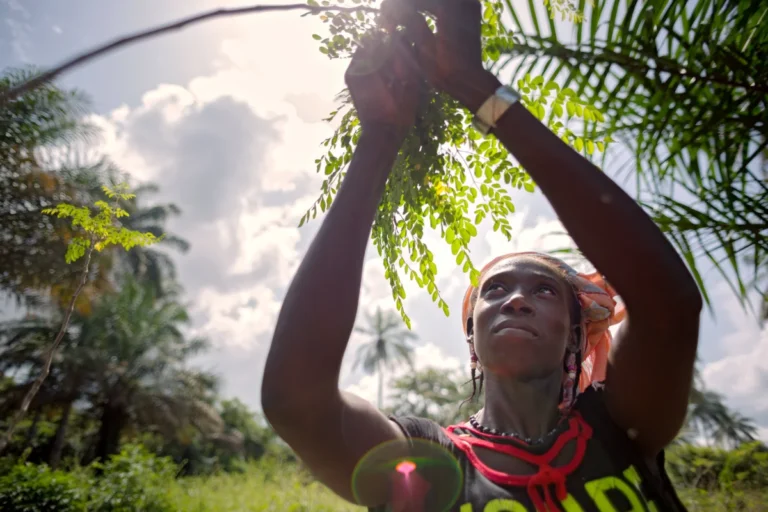
The session served as a powerful reminder that UN Women is far from an abstract bureaucracy. For millions of women and girls living in the shadow of conflict, poverty, and systemic injustice, the agency acts as a literal lifeline. This sentiment was echoed throughout the deliberations, highlighting that the work done in New York resonates directly in the field, from the implementation of national policies to the delivery of life-saving services in crisis-affected regions. The leadership of UN Women emphasized that the agency was born out of a global demand—propelled by the tireless advocacy of the women’s movement—and that it remains a product of continuous evolution.
At the heart of the current discourse is the UN80 Initiative, a strategic examination of the UN’s architecture as it approaches its 80th anniversary. One of the most significant aspects of this initiative is the rigorous assessment of potential institutional mergers. While the prospect of organizational change can often spark uncertainty, the leadership has framed this as an opportunity to maximize impact. The goal is to determine if a consolidated structure could result in more efficient delivery, greater operational synergy, and a more potent voice for women and girls globally. This process is being overseen by a high-level Steering Committee, chaired by the Deputy Secretary-General and including the Executive Directors of both UN Women and the UN Population Fund (UNFPA). The commitment to transparency in this process remains a priority, with a promise of ongoing dialogue and the sharing of critical assessment documents with Member States.
However, these institutional shifts are occurring against a backdrop of significant global challenges. The agency is currently navigating what it describes as "headwinds"—a multifaceted resistance to gender equality gains that includes political backlash and tightening fiscal environments. The financial landscape for 2025 is particularly telling. While UN Women is facing a reduction in resources from 2024 to 2025, the organization noted that these cuts are notably less severe than the broader reductions seen in global Official Development Assistance (ODA). This relative stability is seen as a vote of confidence in the agency’s "triple mandate" of normative support, UN system coordination, and operational activities.
The resilience of UN Women’s funding model is also being bolstered by a diversifying donor base. Even as some traditional partners recalibrate their spending, new donors are entering the fold, and several long-standing supporters have actually increased their contributions. This shift is interpreted as a clear signal of political will, affirming that despite global economic volatility, the advancement of women’s rights remains a high-value investment for the international community.
The human element of the UN’s gender architecture was also a focal point of the session’s closing remarks. The retirement of Jean-Luc Bories, who has served as the "steady hand" of the Executive Board for 14 years, marked the end of an era. His departure serves as a reminder of the institutional memory and personal dedication required to keep the wheels of multilateralism turning. As the Board prepares for a transition in its secretariat, the emphasis remains on maintaining the strong support and continuity that Member States have come to expect.
Looking forward, the roadmap for the coming years is centered on the implementation of the agency’s Strategic Plan, described as its "North Star." This plan is not merely a document of intent but a blueprint for transforming communities and propelling sustainable development, peace, and security. The agency’s pivot toward more robust regional and country-level processes—often referred to as "UN80 in action"—is designed to ensure that resources are utilized with maximum efficiency and that impact is felt where it is needed most.
The immediate future also holds several key milestones for the global gender agenda. Negotiations are already underway for the 70th session of the Commission on the Status of Women (CSW70) in 2026. The priority theme for this landmark session will be "access to justice," a critical issue that touches every aspect of a woman’s life, from legal protections against violence to the ability to own property and participate in economic life. The proactive engagement of delegates in these early negotiations suggests that, despite the challenging global context, women’s rights remain a top priority for the multilateral system.
Furthermore, the theme for International Women’s Day 2026 has been set: "Rights. Justice. Action. For All Women and Girls." This theme is intended to move the conversation beyond rhetoric and toward tangible, actionable outcomes. By hosting the commemoration in the General Assembly Hall, the UN aims to harness the collective energy of civil society, the women’s movement, and Member States to push for a more just and secure future.
The coordination mandate of UN Women remains one of its most potent tools. By influencing the broader UN system—including peacekeeping operations, humanitarian responses, and development frameworks—the agency ensures that gender equality is not a siloed concern but a cross-cutting priority. Whether acting as a resident agency or providing support as a non-resident entity, UN Women’s role is to protect hard-won gains and prevent the erosion of rights in the face of global crises.
As the session concluded, the message to the international community was clear: the mandate of UN Women is more vital than ever, but its success depends on a foundation of partnership and persistence. The adoption of the seven decisions by the Executive Board is seen as a testament to a unified voice that values the agency’s role as a catalyst for change. The leadership expressed deep gratitude for the "late nights and very early mornings" invested by delegates, noting that such dedication demonstrates a profound care for the mission.
In an era defined by complexity, the path forward for UN Women involves a delicate balance of maintaining its core values while embracing radical reform. The "UN80" process represents a significant gamble on the future of the organization, but it is one driven by the conviction that the women and girls of the world deserve the most effective "lifeline" possible. By focusing on impact on the ground, diversifying its financial support, and staying laser-focused on its Strategic Plan, UN Women aims to navigate the current storms and emerge as a stronger, more agile champion for equality.
The road to 2026 and beyond will undoubtedly be fraught with challenges, from the "headwinds" of political opposition to the practical difficulties of operating in crisis zones. Yet, the resolve expressed at the close of this Executive Board session suggests that the commitment to a more just, secure, and prosperous future for all women and girls remains unwavering. As the agency moves forward, it does so with an ambitious vision and a practical commitment to action, proving that in the quest for gender equality, the pursuit of impact is the only true measure of success.