

The hallowed halls of Pixar, a studio long celebrated for its groundbreaking animation and emotionally resonant storytelling, are once again at the center of a complex conversation surrounding creative integrity, commercial pressures, and the ever-evolving landscape of diverse representation. At the heart of this unfolding narrative is Elio, the studio’s forthcoming animated feature, which underwent a dramatic creative overhaul, notably excising an LGBTQ+ storyline, a decision recently elucidated by Pixar’s Chief Creative Officer, Pete Docter, in an interview with the Wall Street Journal. This move has not only ignited internal discord but also reignited broader debates about who gets to see themselves reflected on screen, particularly within the impressionable world of children’s entertainment.
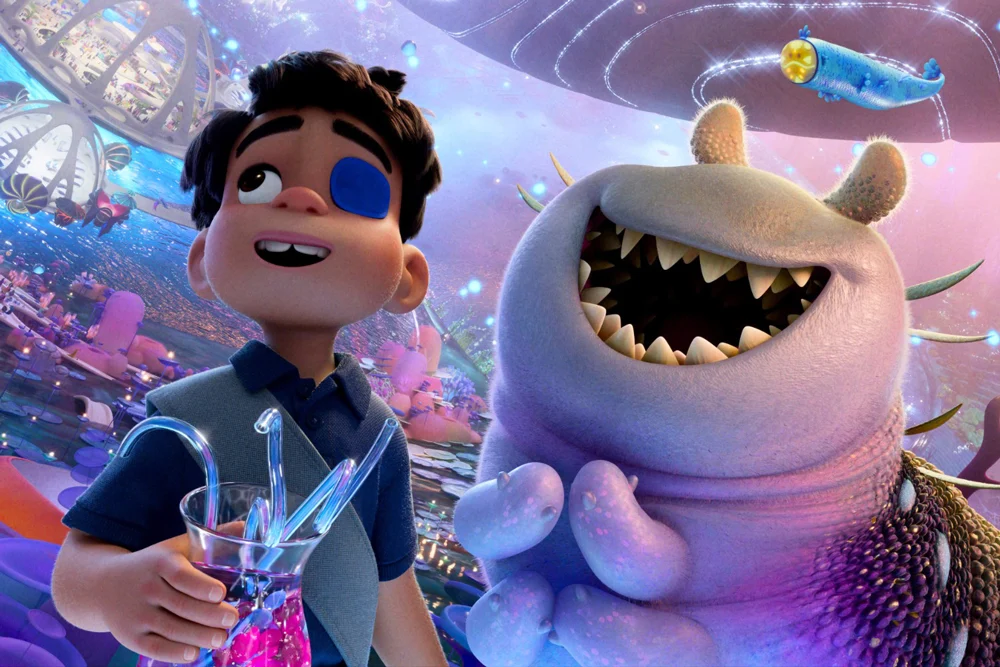
Elio, set to debut in June 2025, centers on a lonely young boy who, feeling like an outsider among his peers, finds solace and connection by looking to the stars. His cosmic aspirations unexpectedly lead him on an intergalactic adventure where he is mistakenly identified as Earth’s ambassador to the universe. The premise itself, brimming with Pixar’s signature blend of wonder and heart, initially held promise. However, early test screenings for the film reportedly delivered concerning results, with audiences expressing a reluctance to pay for tickets. This lukewarm reception signaled a significant challenge for a studio grappling with evolving audience tastes and heightened box office expectations.
In response to these critical test scores, Docter, the visionary director behind classics like Monsters Inc., Up, and Inside Out, reportedly ordered a complete re-evaluation and overhaul of Elio, even though a substantial portion of the animation had already been completed. This drastic directive ultimately led to the departure of the film’s original director, Adrian Molina, known for his work as co-director on the Oscar-winning Coco. The reins were subsequently handed over to Madeline Sharafian and Domee Shi, who were tasked with steering the film in a new creative direction. It was during this extensive reimagining that significant elements of the narrative were altered, specifically those pertaining to the protagonist’s burgeoning identity.
According to reports, the original iterations of Elio contained subtle yet distinct indications of the titular character’s gay identity. These included visual cues, such as Elio being depicted with a pink bicycle, and a more explicit scene where the young boy envisioned a future life alongside a male crush. These moments, designed to gently introduce an aspect of Elio’s personal journey and identity, were ultimately deemed unsuitable for the revised version of the film and were removed during the overhaul.
Docter’s rationale for these changes, as shared with the Wall Street Journal, centered on the studio’s perceived responsibility to its young audience. He expressed a desire to avoid exposing children to themes or concepts that "they weren’t ready to see or hadn’t discussed with their parents." His accompanying statement, "We’re making a movie, not hundreds of millions of dollars of therapy," encapsulates a cautious approach, suggesting a reluctance to venture into potentially sensitive social territories that might necessitate deeper parental guidance. This perspective, while framed as protective, opens a wider dialogue about the role of media in reflecting the diverse realities of the world, especially for a generation growing up in increasingly complex social landscapes.
The decision to excise these LGBTQ+ elements, particularly given their seemingly subtle nature, sent ripples of discontent through Pixar’s internal ranks. The studio, long a beacon of progressive storytelling, has prided itself on fostering an inclusive environment. Many within the creative teams reportedly viewed the removal as a step backward, a capitulation to external pressures or a misunderstanding of the positive impact of early, gentle representation. This internal strife was further exacerbated by a parallel situation within the broader Disney ecosystem: the concurrent decision to cut a transgender character from Pixar’s animated series, Win or Lose. These instances, taken together, suggest a troubling pattern for some employees and observers, raising questions about Disney and Pixar’s commitment to diversity and inclusion when faced with potential commercial or cultural pushback.
Pixar’s legacy is built on its ability to craft stories that transcend age barriers, delving into universal human emotions and experiences. From the fear of a child’s closet in Monsters Inc. to the grief of loss and the joy of new beginnings in Up, and the complex inner workings of the mind in Inside Out, the studio has consistently pushed the boundaries of what animated films can achieve. However, in recent years, Pixar, like much of the animation industry, has faced significant challenges. The shift towards streaming during the pandemic saw several of its films, including Soul, Luca, and Turning Red, debut directly on Disney+ rather than receiving exclusive theatrical runs. While these films garnered critical acclaim, their direct-to-streaming strategy arguably diluted their theatrical impact and set a precedent that made subsequent theatrical releases more challenging to market and monetize effectively.
The current cultural climate in the United States, marked by intense debates over LGBTQ+ rights and representation, particularly in educational and children’s contexts, undeniably plays a significant role in the cautious stance taken by major corporations like Disney. The "Don’t Say Gay" bill in Florida, for instance, and the broader conservative backlash against what some term "woke" content, have created a volatile environment for companies navigating social issues. For a family-focused brand with global reach, the pressure to avoid alienating any segment of its vast audience can be immense, often leading to decisions that prioritize broad appeal over specific, potentially controversial, forms of representation.
However, the argument for inclusive representation, even for very young audiences, is powerful and growing. Advocates contend that seeing diverse identities, including LGBTQ+ individuals and families, normalized in media helps foster empathy, understanding, and acceptance from an early age. It provides comfort and validation for children who may be questioning their own identities or come from diverse family structures, signaling that they are seen, valued, and belong. For many, the idea that a child is "not ready" to see a character with a pink bike or a crush on someone of the same gender is a missed opportunity to reflect the rich tapestry of human experience and contribute to a more inclusive world.
The financial performance of Elio upon its June 2025 release provides a stark backdrop to these creative decisions. The film garnered $150 million worldwide at the end of its theatrical run. While this figure might seem respectable in isolation, it precisely matched the film’s reported production budget of $150 million. This means that, without even factoring in the hundreds of millions typically spent on global marketing and distribution, Elio effectively broke even on production costs, falling far short of the profit margins necessary to be considered a theatrical success for a major studio tentpole. This outcome, though not directly attributable to the removal of the LGBTQ+ storyline, nonetheless highlights the immense financial pressures that often drive creative compromises in Hollywood. The hope that a more generalized, less potentially controversial narrative would resonate broadly with audiences and translate into significant box office returns ultimately did not materialize as anticipated.
Pete Docter, as Chief Creative Officer, holds the weighty responsibility of safeguarding Pixar’s artistic legacy while also ensuring its commercial viability. It’s a delicate balancing act that requires navigating the evolving cultural landscape, internal creative desires, and external market demands. His statement regarding "therapy" versus "making a movie" can be interpreted in various ways: as a genuine concern for age-appropriateness, a pragmatic acknowledgement of the company’s brand image, or perhaps even a reflection of the studio’s desire to avoid becoming a flashpoint in wider cultural battles.
The saga of Elio underscores the profound challenges facing major animation studios today. In an era where audiences are increasingly demanding authentic and diverse storytelling, and simultaneously, cultural debates are more polarized than ever, the path forward for creators is fraught with complexities. The question remains: can Pixar, a studio built on pushing creative boundaries, continue to innovate and resonate with global audiences while also navigating the delicate dance between artistic freedom, commercial success, and the imperative for inclusive representation? The answers will undoubtedly shape not only the future of animated storytelling but also the messages that a new generation of children receive about themselves and the world around them.