

In a captivating display of cultural fusion and innovative entertainment, "Battle of Fates," the groundbreaking supernatural reality competition, has not only captivated audiences but also shattered viewership benchmarks across Disney+ in Korea. The series, which delves into the rich tapestry of Korea’s spiritual and predictive arts, has established a new all-time premiere record for the streaming giant in the region, decisively surpassing the impressive debut set by the acclaimed drama "Moving" in 2023. This unprecedented success extends beyond Korea’s borders, with "Battle of Fates" also claiming the title of the top-performing new series of 2026 across Disney+’s entire Asia Pacific footprint within its first twelve days of release. The overwhelming reception has prompted the streamer to confirm that localized versions of the format are already under development for additional international markets, signaling a global expansion for this unique unscripted phenomenon.
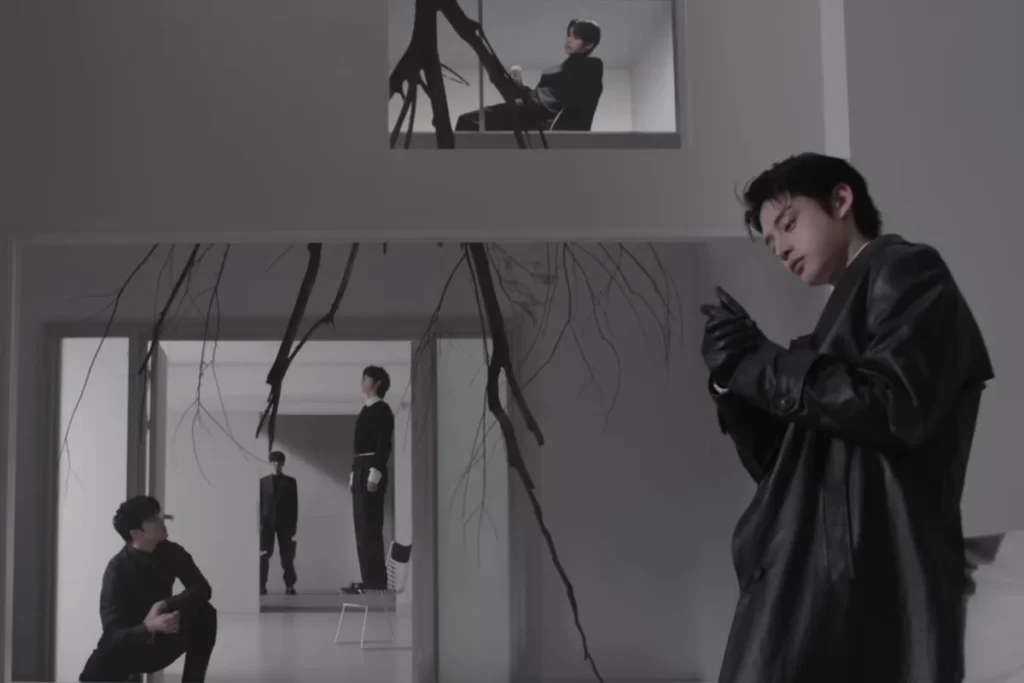
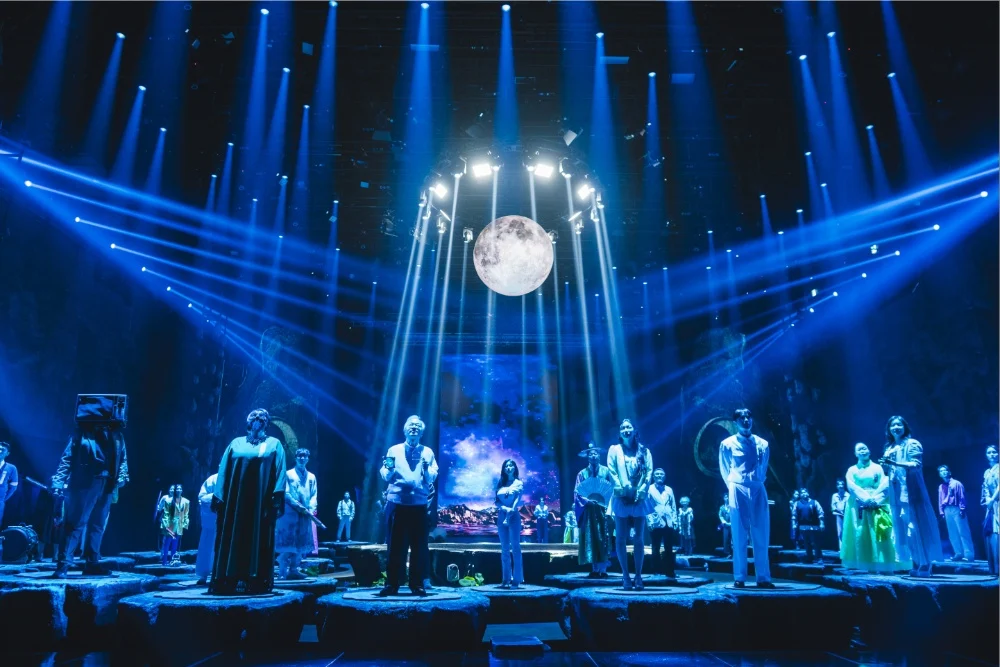
The allure of "Battle of Fates" lies in its audacious premise: a high-stakes competition bringing together revered practitioners of Korea’s ancient spiritual traditions. Debuting on February 11, the series introduced viewers to an extraordinary cast comprising fortune-tellers, tarot readers, and shamans, all vying for the ultimate title of Korea’s top fate reader. These contestants, drawn from an initial pool of 49 highly skilled individuals, embark on a meticulously structured journey designed to rigorously test the precision and insight of their predictive abilities. Each round challenges their acumen, compelling them to deploy a diverse arsenal of techniques and instruments to outmaneuver their rivals. The tension builds with each episode as the weakest performers face elimination, culminating in a gripping finale that recently crowned a single victor, available exclusively on Disney+.
At the heart of "Battle of Fates" is a profound exploration of Korea’s spiritual landscape, a vibrant realm where ancient wisdom continues to intertwine with modern life. The show’s participants represent a spectrum of deeply rooted practices, each carrying centuries of history and cultural significance. Korean fortune-telling, often referred to as saju palja (literally "four pillars and eight characters"), is a complex and highly respected system based on an individual’s birth year, month, day, and hour. Practitioners of saju meticulously analyze these elements, correlating them with the five elements (wood, fire, earth, metal, water) and the twelve zodiac animals to construct an intricate map of a person’s destiny, personality traits, and life trajectory. For generations, Koreans have consulted saju readers for guidance on major life decisions, from career paths and marriage prospects to business ventures and family matters. The precision expected in saju readings—often involving detailed predictions about specific events or periods—lends itself fascinatingly to a competitive format, where the accuracy of interpretations becomes the ultimate measure of skill.
Alongside traditional saju masters, "Battle of Fates" features tarot readers, whose presence highlights the fascinating integration of global spiritual practices into Korean culture. While tarot originated in Europe, it has found a remarkably enthusiastic following in South Korea, particularly among younger generations seeking accessible and often more psychologically oriented insights into their immediate circumstances and emotional states. Tarot readers on the show likely bring a different interpretative style, focusing on symbolic narratives and intuitive guidance, presenting a compelling contrast to the more systematic approach of saju. The challenge for these practitioners within the competition would be to demonstrate not just empathetic interpretation but also a verifiable predictive accuracy, bridging the gap between guidance and definitive foresight.
Perhaps the most captivating and culturally significant participants are the mudang, or Korean shamans. Shamanism is Korea’s oldest religion, a complex system of beliefs centered on communication with spirits, deities, and ancestors. Mudang, traditionally often women, serve as intermediaries, performing elaborate rituals (gut) to heal illnesses, ward off misfortune, guide the deceased, and bring prosperity. Their practice is deeply experiential, involving trance states, spirit possession, and direct communication with the unseen world. The inclusion of mudang in "Battle of Fates" is particularly daring and innovative, as their methods are often intensely personal and ritualistic. How does one "test the precision" of a shaman’s reading in a reality competition? This intriguing question likely forms a core part of the show’s appeal, pushing the boundaries of what can be objectively judged in the realm of the spiritual. The competition may involve blind readings of individuals’ fates, predictions about future events, or interpretations of spiritual signs, all performed under the scrutiny of cameras and audience expectations. The show offers a rare glimpse into a part of Korean culture that is often private and sacred, presenting it in an engaging, competitive format that demystifies aspects of these practices while honoring their profound significance.
The unprecedented success of "Battle of Fates" on Disney+ signals a significant shift in the landscape of streaming content, particularly within the competitive Korean and broader Asia Pacific markets. For Disney+, a platform historically associated with family-friendly animation and blockbuster franchises, the triumph of a distinctly niche, unscripted Korean reality show marks a strategic victory. It underscores the streamer’s commitment to investing in locally relevant, high-quality content that resonates deeply with regional audiences. "Moving," the previous record-holder, was a high-budget Korean superhero drama, a genre typically expected to draw massive viewership. The fact that an unscripted series about spiritual arts could surpass such a production speaks volumes about the innovative appeal of "Battle of Fates" and the untapped potential of culturally specific reality formats. This achievement positions Disney+ as a serious contender in the diverse and rapidly expanding Asian entertainment market, demonstrating its ability to deliver unique content beyond traditional dramas and films.
The decision to develop local versions for additional markets further highlights the global potential of this format. The blend of competition, personal stories, and the intriguing unknown of spiritual prediction offers a universal appeal, even as the specific cultural manifestations of these arts vary across regions. Imagine "Battle of Fates" in other contexts: practitioners of voodoo in New Orleans, spiritual healers in Indigenous communities, or astrologers from diverse traditions. Each localized version would offer a fascinating window into different cultural spiritualities, promising to replicate the success seen in Korea. This strategy aligns with a growing trend in global entertainment, where successful formats are adapted and remade to cater to local tastes, fostering cultural exchange through entertainment.
"Battle of Fates" is not an isolated success but rather a significant pillar in Disney+’s burgeoning unscripted lineup, a strategic move to diversify its content offerings and appeal to a broader demographic. The platform has been steadily building a robust slate of non-fiction programming, demonstrating its commitment to capturing diverse audiences through engaging reality formats. Other notable titles contributing to this strategy include the high-octane combat sports series "I Am Boxer," which delves into the rigorous world of professional fighting, offering a raw and intimate look at the athletes’ journeys. The long-running variety hit "The Zone: Survival Mission," known for its comedic challenges and celebrity cast, further solidifies Disney+’s presence in the popular Korean variety show genre.
A particularly impactful addition to this unscripted roster is "My Name Is Gabriel," featuring Jennie from the globally renowned K-pop sensation Blackpink. Jennie’s involvement immediately elevates the show’s profile, leveraging the immense star power and global fan base of K-pop idols. Her participation signals Disney+’s understanding of the profound influence of celebrity culture in attracting viewers, especially a younger, globally connected audience that follows K-pop trends. For a women-focused entertainment platform, the presence of an icon like Jennie is invaluable, drawing in viewers who are interested not only in her musical career but also in her personal ventures and reality appearances.
Looking ahead, Disney+ is also investing in new Japanese originals set to debut later in 2026, further cementing its commitment to regional content production. These include "Travis Japan Summer Vacation!! in the USA," a travel docuseries that follows the popular J-pop group Travis Japan as they explore the United States. This series taps into the proven appeal of idol-led travel content, offering fans an intimate look at their favorite stars experiencing new cultures. Additionally, the platform is preparing to launch the "Daigo Project" (working title), a variety show marking Disney+’s first homegrown Japanese entry in that format. This move signifies a deeper dive into locally produced entertainment for the Japanese market, recognizing the unique tastes and strong domestic content preferences of Japanese viewers.
Collectively, these unscripted titles represent a dynamic and strategic expansion for Disney+. By blending unique cultural narratives, celebrity appeal, and innovative competitive formats, the streamer is not only attracting new subscribers but also fostering a diverse and engaging content ecosystem. "Battle of Fates" stands as a testament to this strategy, proving that deeply rooted cultural expressions, when presented with authenticity and a compelling narrative, can transcend borders and captivate a global audience, redefining the very essence of reality television.