


As the world observes World AIDS Day, the global community finds itself standing at a precarious crossroads, caught between the triumphs of the past and the volatile uncertainties of the future. This year’s theme, “Overcoming disruption, transforming the AIDS response,” serves as a stark reminder that the progress achieved over the last four decades is not guaranteed. In a landscape defined by shifting political priorities, economic instability, and social upheaval, the message from advocates and international leaders is unambiguous: the global community must accelerate its efforts or risk a catastrophic reversal of hard-won gains. The fight against HIV is not merely a medical challenge; it is a battle for human rights, gender equality, and the fundamental dignity of women and girls everywhere.
The epidemiological landscape of the current era reveals a sobering reality. Despite the advent of life-saving antiretroviral therapies and sophisticated prevention methods, the AIDS pandemic continues to be fueled by the persistent engine of gender inequality. Today, approximately 40.8 million people are living with HIV globally, and a staggering 53 percent of them are women and girls. This demographic shift highlights a profound failure in global equity. Nowhere is this disparity more visible than in sub-Saharan Africa, where the crisis has taken on a devastatingly gendered face. In this region, adolescent girls are acquiring HIV at six times the rate of their male peers. This is not a biological inevitability but a social indictment. It is the direct result of a world where young women often lack the agency to negotiate safe sex, the autonomy to control their own bodies, or the economic independence to escape exploitative situations.
The drivers of this crisis are multifaceted and deeply structural. Violence against women remains one of the most significant barriers to ending the pandemic. Whether it is intimate partner violence that prevents a woman from seeking testing or the threat of social ostracization that keeps her from adhering to treatment, the shadow of coercion looms large over the AIDS response. Furthermore, unequal access to healthcare services, often dictated by poverty or geographic isolation, ensures that the most vulnerable remain beyond the reach of modern medicine. Beyond the clinic, women continue to carry the disproportionate weight of the pandemic through unpaid care and support responsibilities. They are the primary caregivers for the sick, the elderly, and the children orphaned by AIDS, often sacrificing their own education and career prospects to sustain their families and communities.
This year, however, the challenge is compounded by a growing trend of global disinvestment. As international focus shifts toward new geopolitical conflicts and economic pressures, the funding that once anchored the global AIDS response is beginning to evaporate. These cuts do not just represent numbers on a ledger; they represent the closing of clinics, the end of community outreach programs, and the silencing of advocacy networks. When resources shrink, it is the programs specifically designed to protect and empower women and girls that are often the first to be dismantled. This withdrawal of support threatens to undo decades of work, potentially allowing the virus to reclaim ground in communities that were finally beginning to see hope.
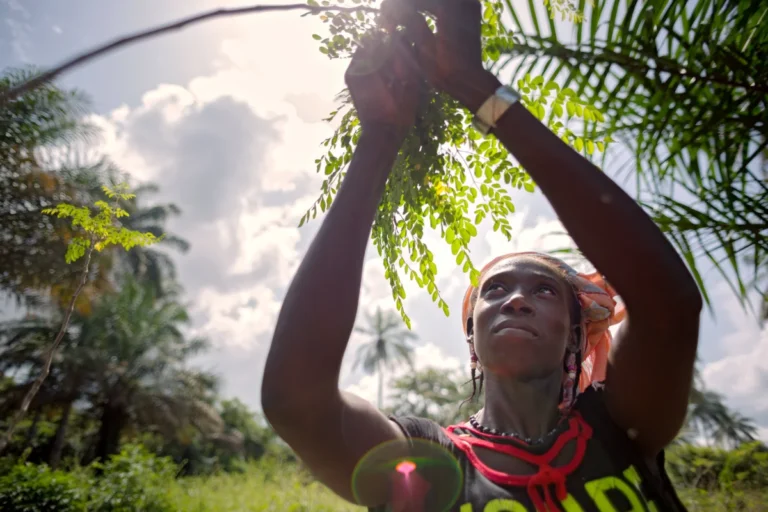
Yet, in the face of these daunting disruptions, a powerful narrative of resilience and leadership is emerging. Women living with HIV are refusing to be categorized as passive victims of a biological circumstance. Instead, they have emerged as the vanguard of the response—serving as advocates, policy influencers, and community leaders. From the grassroots level to the halls of international power, their voices are demanding a seat at the table. They are the ones who understand the nuances of the struggle, and they are the ones best positioned to design the solutions. To truly transform the AIDS response, the global community must ensure that these women’s rights are not only upheld but that their leadership is fully resourced and respected.
UN Women has remained at the forefront of this mission, recognizing that the end of AIDS is inextricably linked to the empowerment of women. Throughout 2024, the organization has intensified its efforts to bridge the gap between policy and practice. In 36 countries, UN Women successfully strengthened the leadership capacities of more than 35,000 women, equipping them with the tools to advocate for their health and rights within their own governments and communities. By expanding access to prevention and treatment through community-based services, the organization has reached some of the most marginalized populations in Africa and Central Asia. These initiatives go beyond medical intervention; they include legal empowerment and outreach programs that help women navigate the complex social and legal barriers that often prevent them from accessing care. By teaching women their rights and providing them with the legal support to challenge discrimination, these programs are dismantling the stigma that has long allowed the virus to thrive in the shadows.
The international policy framework is also evolving to meet these challenges. The Beijing+30 Political Declaration has reaffirmed a global commitment to women’s health as a critical area of concern. This declaration builds upon the foundational principles of the 1995 Beijing Platform for Action, a landmark document that first articulated the intrinsic link between women’s empowerment and global development. By pledging to advance the health rights of all women and girls, the international community is acknowledging that the fight against HIV cannot be won in a vacuum. It requires a holistic approach that addresses education, economic opportunity, and the elimination of gender-based violence.
As we look toward the future, the call to action for this World AIDS Day is clear. We must reverse the trend of disinvestment and recommit to a response that centers gender equality and human rights. This requires a significant increase in domestic funding from governments, ensuring that healthcare systems are resilient enough to withstand global shocks. It means enacting and enforcing laws that end violence against women and protect the rights of those living with HIV. Most importantly, it means providing sustained support to the networks of women whose courage and vision are already transforming lives on the ground.
The narrative that the AIDS epidemic is a solved problem is a dangerous fallacy. While science has provided the tools to end the pandemic, the political and social will to deploy those tools equitably is still lacking. The "disruption" mentioned in this year’s theme is a warning, but it is also an opportunity to pivot. It is a chance to move away from top-down, one-size-fits-all strategies and toward a model that is led by the people most affected by the crisis. When women are empowered to lead, they do more than just manage a disease; they rebuild communities, challenge injustice, and create a blueprint for a healthier, more equitable world.
The fight against AIDS is far from over, and the path ahead is fraught with obstacles. However, the resilience of women and girls provides a beacon of hope. They have shown that even in the face of systemic inequality and global neglect, progress is possible. Now is the time for the rest of the world to match their courage. We must protect the milestones we have achieved and push forward with a renewed sense of urgency. By investing in women, we are not just investing in the end of a pandemic; we are investing in the future of humanity. The transformation of the AIDS response is not just a policy goal—it is a moral imperative that requires us to step up, speak out, and resource the change-makers who are leading the way. Together, by centering the power of women and girls, we can finally turn the tide and ensure that the promise of an AIDS-free generation becomes a reality for all.