



When the lights go up at the Crypto.com Arena in Los Angeles this February, a familiar face will be there to guide the audience through the highs and lows of the music industry’s most prestigious evening. Trevor Noah is set to take the stage as host of the Grammy Awards for the sixth time, a testament to his unique ability to balance the gravitas of the Recording Academy’s mission with the lighthearted, often unpredictable nature of live entertainment. Since he first stepped into the role, Noah has become the steady hand during an era of significant transition for the awards show, navigating everything from the shift to outdoor ceremonies during the pandemic to the explosive viral moments that now define the Grammys as much as the golden gramophones themselves.
The Grammys have long been more than just an awards ceremony; they are a sprawling, multi-dimensional cultural barometer. For the audience at home, the night is a curated sequence of "water cooler" moments that bridge the gap between high art and internet meme culture. Whether it is a fashion choice that breaks the internet or a performance that leaves the room in stunned silence, the ceremony serves as a time capsule for the zeitgeist. As we look forward to the 2026 nominations and the upcoming February 1 gala, we are reminded that the Grammys thrive on the tension between the expected and the extraordinary.
Perhaps no category of Grammy history is more enduring than the fashion. Long before social media trends were dictated by algorithms, the Grammy red carpet was the ultimate laboratory for sartorial risk. In 2000, Jennifer Lopez walked into the 42nd Annual Grammy Awards wearing a green, jungle-print Versace gown with a neckline that plunged well past her navel. It was a look that didn’t just turn heads; it fundamentally altered the digital landscape. At the time, the sheer volume of people searching for images of the dress was so unprecedented that it directly inspired the creation of Google Images. Decades later, Lopez reflected on the gown’s legacy, comparing it to the iconic Marilyn Monroe "subway" dress for a new generation. It was a moment where the garment and the woman became inseparable from the history of pop culture, proving that a single outfit could have more staying power than a chart-topping single.
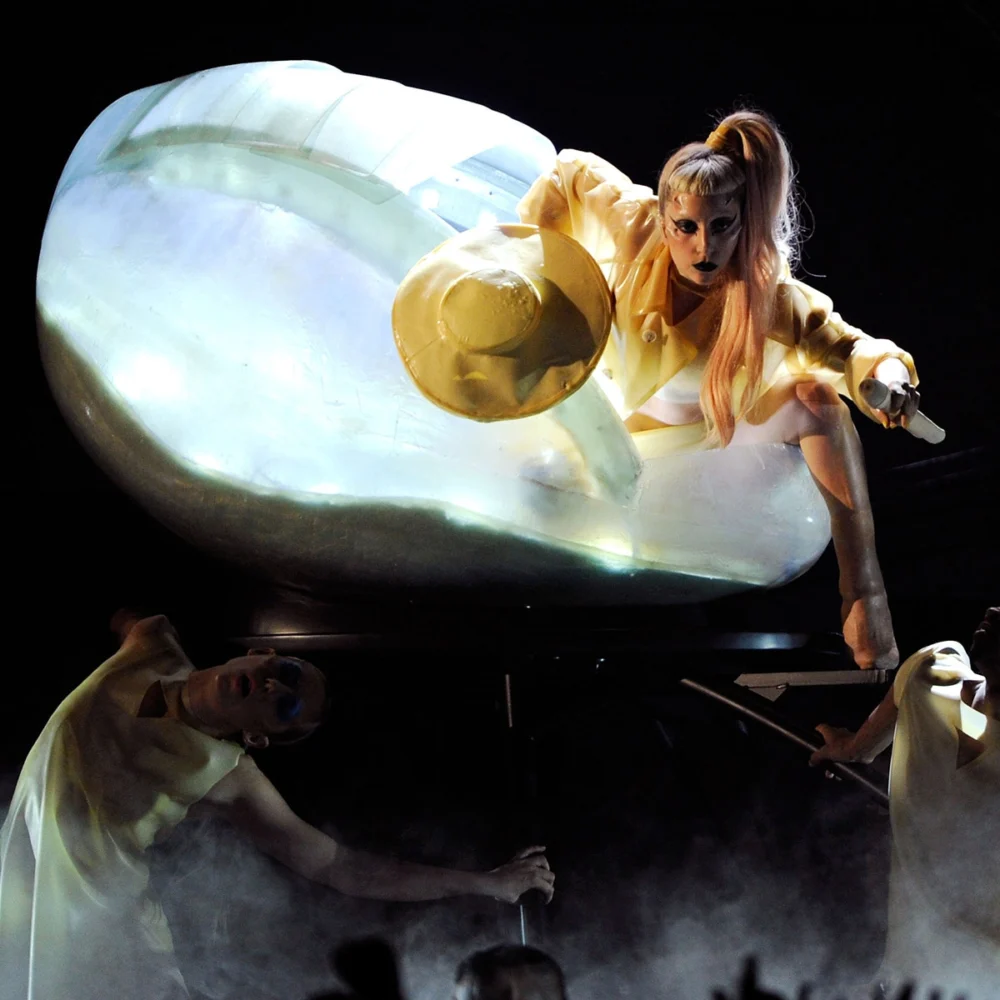
If Lopez brought the glamour, Lady Gaga brought the performance art. In 2011, the "Born This Way" singer arrived not on her own two feet, but encased in a translucent, temperature-controlled egg. Carried by a procession of attendants, Gaga remained inside the vessel for three days prior to her arrival to "incubate" her creative energy. When she finally emerged during her performance, it wasn’t just a costume change; it was a statement on rebirth and identity. This commitment to the "bit" remains one of the most dedicated displays of celebrity branding in the history of the show, reminding viewers that the Grammys are a stage for the theatrical as much as the musical.
However, the Grammys are not always about the polished and the planned. Some of the most memorable moments have been born from raw, unscripted emotion. In 2020, Demi Lovato returned to the stage for the first time following a near-fatal overdose. Her performance of "Anyone," a song written just days before her hospitalization, was a harrowing and triumphant display of vulnerability. The weight of the moment was so heavy that she had to stop and restart the song, a rare moment of human frailty that resonated far more deeply than a perfect vocal take would have. It was a reminder of the human cost of stardom and the redemptive power of music.
The theme of humility and sisterhood often cuts through the competitive tension of the night. In 2017, the world watched as Adele, accepting the prestigious Album of the Year award for 25, used her entire speech to pay tribute to her fellow nominee, Beyoncé. Tearfully, Adele declared that she could not possibly accept the award because Beyoncé’s Lemonade was, in her eyes, the most monumental work of the year. It was a rare public acknowledgement of the complexities of the Recording Academy’s voting process and a heartfelt nod to the influence of Black artistry on the global stage. Adele’s night was further marked by her tribute to the late George Michael; her insistence on restarting a live performance of "Fastlove" because she "couldn’t mess it up for him" showed a level of artistic integrity that transcended the pressure of a live broadcast.
Of course, the Grammys are also famous for the "clash of the titans"—moments where egos and opinions collide. We have seen 50 Cent wander onto the stage during Evanescence’s Best New Artist acceptance speech in 2004, a precursor to the "interruption" culture that would later be popularized by Kanye West. West himself provided one of the show’s most meta-moments in 2015 when he nearly interrupted Beck’s Album of the Year win, a cheeky nod to his infamous 2009 VMA stunt with Taylor Swift. Even the wins themselves can cause friction; in 2014, Macklemore felt so much "winner’s guilt" after beating Kendrick Lamar for Best Rap Album that he famously texted Lamar to apologize, a move that Drake later characterized as "wack" for its public performativity.
The ceremony also serves as a platform for political and social milestones. In 2019, host Alicia Keys surprised the world by bringing out a powerhouse group of women, including Lady Gaga, Jada Pinkett Smith, Jennifer Lopez, and former First Lady Michelle Obama. The sight of Obama on the Grammy stage, speaking about the unifying power of music, was a high-water mark for the show’s cultural relevance. That same year, Keys showcased her own immense talent by playing two pianos simultaneously, a masterclass in musicianship that reminded everyone why she is a perennial favorite of the Academy.
As we look toward the 2025 and 2026 seasons, the narrative continues to evolve. The 2025 ceremony provided a glimpse into the future of celebrity spectacle and genre-bending. Kanye "Ye" West returned to the red carpet after a decade-long absence, accompanied by his wife Bianca Censori, whose daringly sheer attire sparked immediate controversy and conversation. Meanwhile, the legendary Beyoncé continued to break barriers, winning Best Country Album for her experimental and widely acclaimed Cowboy Carter. Her reaction—a moment of frozen, humble shock—became an instant viral sensation, proving that even the most decorated artist in Grammy history can still be moved by the weight of an achievement.
The Grammys also provide a space for the unexpected "small" moments that humanize global superstars. Whether it’s Doja Cat nearly missing her win for Best Pop Duo because she was in the restroom, or BTS’s V sharing a whispered, flirtatious moment with Olivia Rodrigo during a high-octane performance of "Butter," these interactions are the lifeblood of the show. They remind the audience that despite the diamonds, the designer gowns, and the golden trophies, the night is ultimately a gathering of peers.
As Trevor Noah prepares to host once again, he enters an environment where the stakes are higher than ever. In an age of streaming and fragmented media, the Grammys remain one of the few nights where the entire world tunes in to see who will define the next chapter of music history. From the provocative to the profound, the ceremony continues to be a mirror of our collective fascinations. Whether it is a pregnant Beyoncé performing with the grace of a goddess or M.I.A. rapping on her literal due date, the Grammys prove year after year that music is not just something we listen to—it is something we experience, debate, and remember. As the industry gathers once more at the Crypto.com Arena, we can be certain of only one thing: the night will strike a chord that vibrates long after the final award is handed out.