


As the world marks World AIDS Day 2025, the global community finds itself at a precarious crossroads, navigating a landscape defined by both remarkable scientific breakthroughs and a chilling sense of "deep uncertainty." This year’s theme, "Overcoming disruption, transforming the AIDS response," serves as more than a rhetorical slogan; it is a desperate call to action aimed at a world that appears to be wavering in its commitment to one of the most significant public health challenges of the modern era. The message from the international stage is clear: to falter now is to risk a resurgence of an epidemic that has already claimed tens of millions of lives. Central to this struggle is a reality that can no longer be ignored: the AIDS pandemic is inextricably linked to gender inequality, and unless the rights and leadership of women and girls are prioritized, the goal of ending the epidemic will remain an elusive dream.
The statistics surrounding the current state of the epidemic are a sobering reminder of the disproportionate burden carried by women. Of the 40.8 million people currently living with HIV globally, 53 percent are women and girls. While medical advancements have made HIV a manageable chronic condition for many, the path to prevention and treatment is not paved equally. In sub-Saharan Africa, the disparity reaches a crisis point, where adolescent girls and young women are acquiring HIV at a rate six times higher than their male counterparts. This is not a biological inevitability but a social and structural failure. The vulnerability of young women in these regions is fueled by a toxic combination of factors, including limited access to comprehensive sexual health education, economic dependency, and a lack of legal protections that would allow them to navigate their lives with autonomy.
The drivers of this gendered crisis are multifaceted and deeply rooted in societal norms. Gender-based violence remains one of the most significant hurdles in the AIDS response. For many women, the threat of physical or sexual violence makes it impossible to negotiate safe sex or to seek testing and treatment without fear of retribution. Furthermore, unequal access to healthcare services often means that women are the last to receive the care they need, even as they are the first to provide it for others. Women continue to bear the overwhelming brunt of unpaid care and support responsibilities, looking after sick family members and maintaining the social fabric of communities hit hardest by the virus. This "care tax" further limits their opportunities for education, employment, and political leadership, creating a cycle of poverty and vulnerability that HIV is all too ready to exploit.
However, the current moment is defined by a new and looming threat: the erosion of global solidarity and the shrinking of financial resources. Significant cuts in global funding are currently threatening to dismantle decades of hard-won progress. These financial withdrawals are not merely line items on a budget; they represent the potential collapse of essential programs that provide life-saving antiretroviral therapy, community-led prevention initiatives, and legal aid for those facing discrimination. When international funding shrinks, the programs most often on the chopping block are those designed to empower women and girls—the very programs that have proven most effective at slowing the spread of the virus. This trend of disinvestment is a dangerous step backward, threatening to reverse the gains made in reducing mother-to-child transmission and expanding treatment access in marginalized regions.
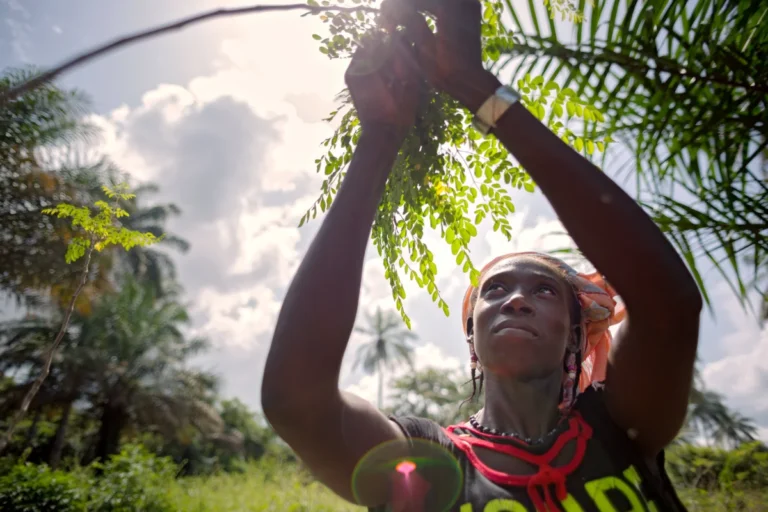
Amidst these challenges, a powerful counter-narrative is emerging, driven by the resilience of women living with HIV. These women are refusing to be categorized as mere victims of a pandemic. Instead, they have emerged as the primary advocates, leaders, and change-makers within the response. From the grassroots level to the halls of international diplomacy, women living with HIV are demanding that their voices be heard and their rights upheld. They are the ones organizing community support groups, fighting against the stigma that prevents people from seeking care, and holding governments accountable for their promises. Their leadership is not just a moral necessity; it is a strategic imperative. History has shown that the most effective public health interventions are those that are designed and led by the communities they are intended to serve.
In response to this shifting landscape, UN Women has intensified its efforts to place women at the center of the AIDS response. Throughout 2024, the organization has focused on building the structural power of women to influence policy and lead community initiatives. By strengthening the leadership capacities of more than 35,000 women across 36 different countries, the initiative has created a global network of advocates equipped to challenge the status quo. These efforts have been particularly concentrated in Africa and Central Asia, where UN Women has expanded access to prevention and treatment through community-based services. This work goes beyond medical intervention; it encompasses legal empowerment, ensuring that women know their rights and have the tools to fight the discrimination that often follows an HIV diagnosis. By integrating legal outreach with healthcare, the response becomes more holistic and more resilient to the disruptions of political and economic instability.
The global political framework is also evolving to reflect these priorities. The Beijing+30 Political Declaration has recently reaffirmed that women’s health is a critical area of concern within the Beijing Platform for Action. This declaration serves as a vital reminder that the rights of women and girls to health, autonomy, and safety are not optional extras but are fundamental human rights. By pledging to advance the health rights of all women and girls, the international community is acknowledging that the fight against AIDS cannot be separated from the broader struggle for gender equality. As the world approaches the 30th anniversary of the landmark Beijing conference, the intersection of health and equality has never been more prominent on the global agenda.
To move forward, the call for a "recommitment" must be met with tangible action and political will. This requires a fundamental shift in how the AIDS response is funded and managed. First and foremost, there must be a reversal of the current trend of disinvestment. Governments must recognize that funding for HIV programs is an investment in human capital and economic stability. This includes a significant increase in domestic funding, reducing the reliance on fluctuating international aid and ensuring that programs are sustainable in the long term. Furthermore, the response must be "gender-centered" in its design. This means that every policy, from the distribution of medication to the implementation of prevention campaigns, must be evaluated through a lens of how it affects women and girls differently.
Ending the violence that fuels the epidemic is another non-negotiable requirement. Without safe environments, women cannot access the healthcare they need. This involves not only legal reform but also community-level engagement to change the social norms that perpetuate violence and silence survivors. Supporting the networks of women leaders is equally critical. These organizations often operate on shoestring budgets despite being the backbone of the AIDS response. Providing them with the resources they need to scale their impact is one of the most effective ways to ensure that the response remains grounded in the reality of those most affected.
The message for World AIDS Day 2025 is one of both warning and hope. The epidemic is not over, and the disruptions of the present moment threaten to undo the achievements of the past. Yet, the path to a future without AIDS is clearer than ever. It is a path that requires the full participation and leadership of women. It is a path that demands the dismantling of the inequalities that have allowed the virus to thrive for so long. Now is the time for the global community to protect the progress that has been made and to push forward with a renewed sense of urgency. The fight against AIDS is, at its heart, a fight for a more just and equal world—and it is a fight that we cannot afford to lose.