


In the humidity and vibrant energy of Belém, Brazil, a landmark shift in the global climate narrative has been solidified. As the sun sets on the critical negotiations of COP30, the international community has emerged with a definitive roadmap: the Belém Gender Action Plan (GAP). This document is not merely a bureaucratic milestone; it is a nine-year blueprint designed to ensure that the global response to the climate crisis is inextricably linked to gender equality. For the millions of women and girls currently navigating the front lines of environmental degradation, this adoption represents a hard-won victory and a promise of systemic change.
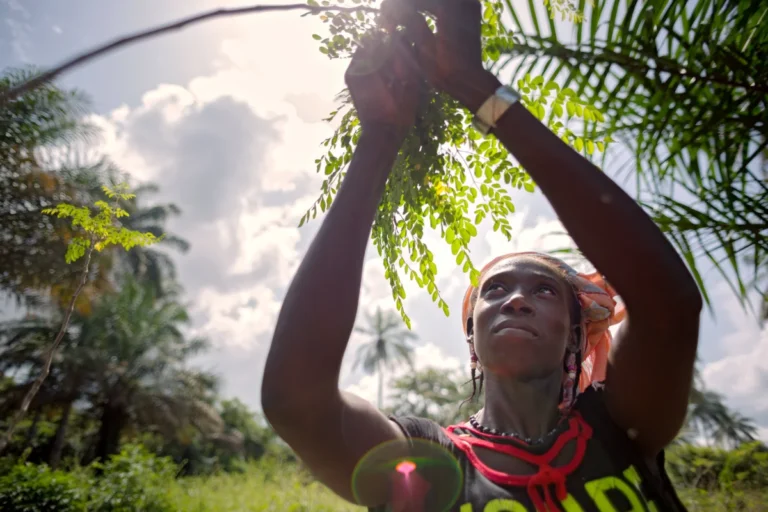
UN Women has formally welcomed the adoption of the Belém GAP, signaling that the next decade of climate action will be judged by its ability to deliver tangible results for those most vulnerable to the planet’s shifting ecology. The plan recognizes a fundamental truth that has often been sidelined in high-level policy discussions: climate change is not gender-neutral. From the scarcity of water and food to the displacement caused by extreme weather events, women and girls bear a disproportionate burden of the crisis. By placing gender equality at the very center of the climate agenda, the Belém GAP seeks to transform women from passive victims of environmental change into empowered leaders of the global transition.
What distinguishes the Belém Gender Action Plan from its predecessors is the breadth and depth of its scope. The decision introduces a series of critical elements that reflect a more sophisticated understanding of how environmental stress intersects with social vulnerability. For the first time, there is a robust focus on the intersection of climate change and health, acknowledging that rising temperatures and environmental toxins have specific impacts on female reproductive and maternal health. Furthermore, the plan addresses the alarming rise in violence against women and girls (VAWG) in the wake of climate-related disasters, where the breakdown of social structures often leaves women exposed to increased risks of exploitation and abuse.
A particularly groundbreaking inclusion in the Belém GAP is the formal recognition and protection of women environmental defenders. Across the globe, particularly in the Amazon region hosting this year’s summit, women have been at the forefront of protecting biodiversity and resisting destructive industrial practices. These defenders often face harassment, legal persecution, and physical violence. The new plan calls for specific protection mechanisms to ensure that those who guard the earth can do so without fear for their lives. This is coupled with a focus on “care work”—the often-unpaid labor of sustaining families and communities—which typically falls to women and becomes exponentially harder as natural resources dwindle. By integrating care work into the climate conversation, the GAP acknowledges the economic reality of women’s lives and calls for a “just transition” that values this essential labor.
The Belém GAP is also lauded for its commitment to intersectionality. It explicitly rejects a “one-size-fits-all” approach to gender, instead recognizing that the realities of climate change are shaped by a woman’s specific identity and location. The plan highlights the unique challenges and indispensable knowledge of women with disabilities, Indigenous women, women from rural and remote communities, and women and girls of African descent. For Indigenous women, who have served as the traditional stewards of the world’s most vital ecosystems for millennia, the plan offers a platform to lead climate mitigation and adaptation efforts using ancestral wisdom combined with modern technology.
However, as UN Women and various advocacy groups have noted, the adoption of the plan is only the beginning. The true measure of its success lies in its implementation. For the Belém GAP to be more than a collection of aspirations, it must be anchored in human rights principles and supported by what policy experts call the “means of implementation.” This includes the mobilization of significant financial resources, the transfer of green technologies to the Global South, and extensive capacity-building efforts. Without dedicated funding and a clear mechanism for accountability, the ambitious goals of the GAP risk remaining out of reach for the communities that need them most.
Sarah Hendriks, Director of the Policy, Programme and Intergovernmental Division at UN Women, emphasized the organization’s commitment to this next phase. She noted that UN Women is prepared to collaborate with all parties and stakeholders to bridge existing gaps. The goal is to ensure the Gender Action Plan becomes a functional tool for inclusive and sustainable action—one that benefits women and girls in all their diversity. The focus is now on ensuring that climate finance is gender-responsive, meaning that funds are specifically earmarked for projects that empower women and address their unique environmental challenges.
The background of the UNFCCC Gender Action Plan provides essential context for why the Belém update is so significant. The GAP functions as a framework for mainstreaming gender into every level of climate governance. It operates across five priority areas: capacity-building and communication; gender balance in leadership; coherence across different international policies; gender-responsive implementation; and rigorous monitoring and reporting. The underlying philosophy is that inclusive and equitable responses are not just a matter of fairness—they are essential for effective climate governance. When women are involved in decision-making, climate policies tend to be more comprehensive, community-focused, and sustainable.
The broader mission of UN Women provides the heartbeat for these negotiations. The entity exists to advance women’s rights and the empowerment of all women and girls globally. By shifting laws, social behaviors, and institutional services, UN Women works to close the gender gap in every sector, from economic participation to physical safety. In the context of COP30, their role has been to ensure that the rights of women and girls remain at the center of global progress. For UN Women, gender equality is not a secondary objective to be addressed after the “real” work of emissions reductions is done; it is the very foundation upon which a stable and healthy planet must be built.
As the delegates leave Belém, the focus shifts to the nine-year horizon established by this new plan. The road to 2034 will require a fundamental reimagining of how nations approach environmental policy. It will require a shift from viewing women as a “vulnerable group” to seeing them as the primary architects of climate resilience. The Belém Gender Action Plan provides the map, but the journey will require political will, financial transparency, and a relentless commitment to human rights.
The adoption of the Belém GAP also signals a growing synergy between the various Rio Conventions, which cover biodiversity, climate change, and desertification. UN Women’s ongoing work across these conventions highlights the interconnectedness of a safer planet and a more equal society. Whether it is through securing land rights for female farmers or ensuring women have a seat at the table during international treaty negotiations, the push for gender-responsive climate action is gaining momentum.
In the end, the Belém Gender Action Plan is a testament to the power of collective advocacy. It reflects the voices of the grassroots activists, the Indigenous leaders, and the policy experts who refused to let gender be sidelined in the face of a global emergency. As the world moves forward into a decade of promised action, the Belém GAP stands as a reminder that a sustainable future is impossible without the full and equal participation of half the world’s population. The challenge now is to turn the words of the Belém outcome into the reality of a safer, more equitable world for every woman and girl, everywhere.