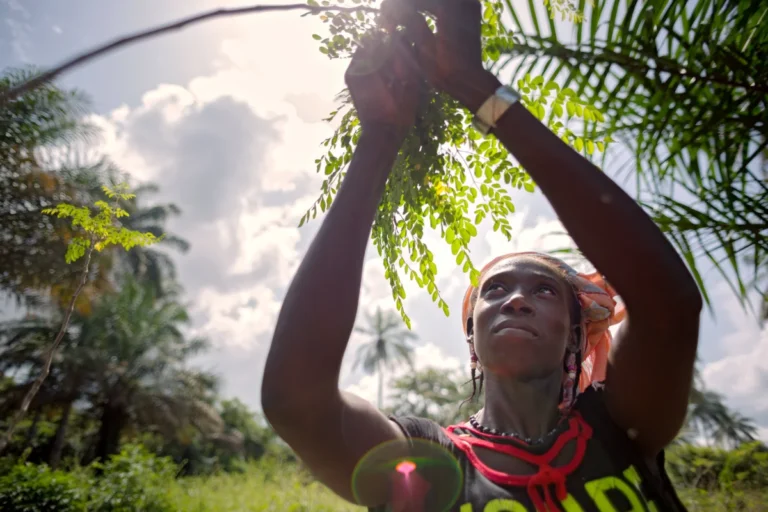


In every corner of the globe, from the wind-swept plains of climate-vulnerable nations to the high-stakes halls of international diplomacy, a specific group of leaders is redefining the architecture of justice. These are the women human rights defenders (WHRDs)—activists, lawyers, journalists, and community organizers who have become the primary architects of modern social progress. They are the individuals who refuse to remain silent in the face of discrimination, who risk their personal safety to expose systemic abuses, and who relentlessly demand accountability from those in power. Their work is not confined to a single issue; rather, it spans the entire spectrum of human concern, driving change in climate justice, democratic integrity, peacebuilding, and economic equity. By challenging the status quo, these women are not just fighting for their own rights; they are shaping more just, inclusive, and resilient societies for everyone.
However, the very leadership that makes WHRDs so effective has also made them targets. As these women drive progress forward, they are increasingly forced to operate under a mounting shadow of threats. The global landscape for activism is shifting, and for women on the front lines, the terrain has become significantly more treacherous. Recent data paints a sobering picture of the environment in which these defenders operate. According to global surveys, fifty-seven per cent of organizations report rising risks for women human rights defenders and activists. This is not a localized phenomenon but a systemic global trend characterized by shrinking civic spaces, the rise of authoritarianism, and a deliberate erosion of the legal and social protections that these defenders rely upon.
The cost of this activism is often measured in lives. In 2024, the Office of the United Nations High Commissioner for Human Rights (OHCHR) documented the killings of 56 women human rights defenders, journalists, and trade unionists in countries affected by conflict. While this number is staggering, experts warn that it likely represents only a fraction of the true toll. In many regions, deaths go unrecorded, and the “slow violence” of intimidation, harassment, and legal persecution often silences defenders before physical violence even occurs. The criminalization of their work has become a common tactic for those seeking to maintain power. By delegitimizing their efforts or labeling their advocacy as “subversive,” states and private actors alike are attempting to dismantle the very foundations of feminist and human rights movements.
This pushback is occurring at a time when gender-based threats are evolving. While physical violence remains a constant danger, the rise of digital technology has introduced a new frontier of abuse. Online attacks—ranging from coordinated character assassination and doxxing to deepfake pornography and death threats—are being used to force women out of public life. These attacks are rarely random; they are calculated tools of silencing designed to exploit gendered vulnerabilities. When a woman speaks out against corruption or environmental degradation, she is often met not with a rebuttal of her arguments, but with attacks on her dignity, her family, and her right to participate in the public square.
The current geopolitical climate has exacerbated these risks. We are witnessing a period of deep cuts to funding for gender equality initiatives, even as the need for such resources reaches a fever pitch. Nearly one in four countries now reports a significant backlash against women’s rights, a regression that threatens to undo decades of hard-won progress. This is not merely a “plateau” in the movement for equality; it is a concerted effort to roll back the clock. In many places, the commitments made thirty years ago during the Beijing Declaration are being selectively upheld or outright ignored. This environment of “selective human rights” creates a vacuum of accountability, where perpetrators of violence against WHRDs can act with near-total impunity.
And yet, despite this atmosphere of peril, women human rights defenders continue to lead. Their resilience is not just a matter of personal courage; it is a strategic necessity. Evidence consistently shows that WHRDs and feminist movements are among the most powerful drivers of tangible policy change. A landmark study published in the American Political Science Review highlighted that the single most important factor in the implementation of progressive policies to combat violence against women is the presence of a strong, autonomous feminist movement. From grassroots organizing in rural communities to high-level advocacy at the United Nations, these movements have been pivotal in securing legal protections, advancing reproductive rights, and ensuring that the voices of the marginalized are heard in the halls of power.
The leadership of WHRDs is particularly vital in the context of the world’s most pressing crises. In the fight for climate justice, it is often women at the local level who are developing sustainable solutions and resisting the exploitation of natural resources. In conflict zones, women peacebuilders are frequently the ones facilitating dialogue between warring factions and ensuring that peace agreements address the needs of the entire population, not just the combatants. Their expertise is not a “special interest” but a fundamental requirement for the success of any global initiative. Without their participation, progress in these areas is not only slower—it is less sustainable.
In recognition of this reality, the international community is being called to move beyond rhetoric and toward concrete action. The United Nations Secretary-General’s “Clarion Call” for gender equality and the resolutions passed by the Human Rights Council are clear: the protection of WHRDs is a collective moral responsibility. This is not a task for a single agency or a handful of NGOs; it requires a coordinated effort across the entire UN system, Member States, and civil society. Protection must be understood as a holistic concept that includes physical security, digital safety, legal support, and mental health resources.
To truly support these defenders, Member States must take several decisive steps. First, there must be a move toward amplifying the voices and expertise of WHRDs in all decision-making processes. They should not be invited to the table as an afterthought but should be recognized as key stakeholders from the outset. Second, governments must adopt and enforce laws and policies that specifically protect WHRDs and safeguard the civic space in which they operate. This includes repealing laws that criminalize peaceful protest or restrict the funding of civil society organizations.
Third, accountability is paramount. When a woman human rights defender is threatened, attacked, or killed, there must be a rigorous and transparent investigation. The culture of impunity that currently surrounds these crimes must be dismantled. Those who target or harm defenders—whether they are state actors, corporate entities, or private individuals—must be held to account under the law. Finally, there is a desperate need for an increase in flexible, direct, and long-term funding. Too often, WHRDs are forced to navigate overly bureaucratic grant processes that are ill-suited to the fast-moving and high-risk nature of their work. Providing direct support to their organizations allows them to respond to emergencies, sustain their advocacy, and build the infrastructure necessary for long-term change.
The stakes could not be higher. We are at a crossroads where the future of human rights depends on our ability to protect those who defend them. Women human rights defenders are the early warning system for democracy and justice; when they are under attack, it is a sign that the rights of all people are in jeopardy. Their work is the engine of progress, driving us toward a world where dignity and equality are not just ideals, but lived realities.
UN Women and its partners remain steadfast in their commitment to standing with these defenders. However, the responsibility lies with all of us—governments, corporations, and individuals—to ensure that the front lines of freedom are not left unguarded. Without the courage and persistence of women human rights defenders, the global march toward equality would falter. By protecting them, we are not just supporting a group of activists; we are investing in the future of humanity itself. The progress of tomorrow depends on the safety and agency of the women defending rights today. We must ensure that their voices are not only heard but that they are protected, funded, and celebrated as the essential leaders they are.