

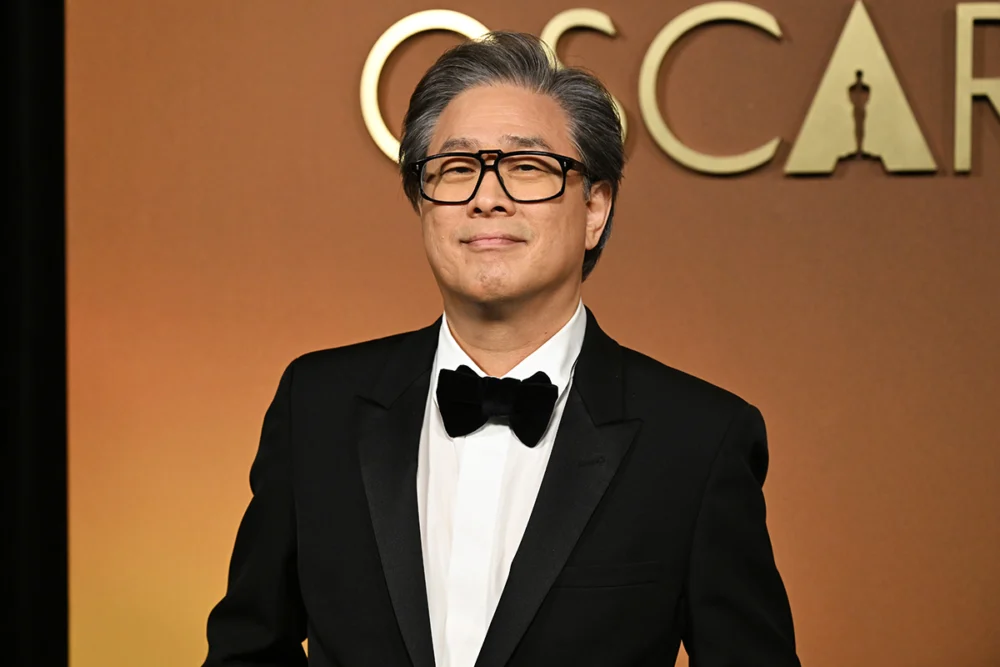
The cinematic world holds its breath in anticipation as the illustrious South Korean auteur, Park Chan-wook, prepares to preside over the esteemed jury of the 79th Cannes Film Festival. This monumental appointment marks a historic moment for global cinema, elevating one of its most distinctive voices to one of its most influential positions. Known for his visually opulent, psychologically intricate, and often morally ambiguous narratives, Park is set to guide the festival’s main competition, shaping the discourse and recognizing the most compelling cinematic achievements of the year.
The role of Cannes Jury President is a coveted mantle, bestowed upon filmmakers whose artistry and vision have profoundly impacted the medium. It represents not only a celebration of an individual’s career but also a statement about the direction and values the festival wishes to champion. Park Chan-wook steps into this prestigious lineage, following a succession of luminaries who have, over the decades, lent their discerning eyes and profound insights to the festival’s most crucial decision: the awarding of the Palme d’Or. His selection underscores Cannes’ enduring commitment to embracing diverse global perspectives and acknowledging the transformative power of cinema that dares to challenge, provoke, and enchant.
Park Chan-wook’s filmography is a tapestry woven with baroque aesthetics, dark humor, and a relentless exploration of human nature’s extremes. His signature style, often described as "baroque and subversive," manifests in meticulously crafted frames, elaborate narratives, and a keen eye for the unsettling beauty found in revenge, obsession, and the labyrinthine corridors of the human psyche. His films frequently blend genres, defying easy categorization, and leaving audiences grappling with complex ethical dilemmas long after the credits roll. From the visceral intensity of his "Vengeance Trilogy" to the lush, intricate suspense of his more recent works, Park has consistently demonstrated a masterful command of visual storytelling, using every shot, every sound, and every performance to build immersive and unforgettable cinematic experiences. His characters, often women navigating treacherous landscapes of desire, power, and societal constraints, are imbued with a fierce agency and psychological depth that resonate powerfully with contemporary audiences, making his appointment particularly significant for a women-focused platform.
Indeed, Park Chan-wook’s journey with the Cannes Film Festival is one of mutual admiration and groundbreaking achievement. His international breakthrough came in 2004 with "Oldboy," a visceral and stylistically audacious thriller that captivated critics and audiences alike. The film, a dizzying exploration of revenge and identity, earned him the coveted Grand Prize, solidifying his status as a formidable global talent and introducing his unique cinematic language to a wider, eager audience. "Oldboy" quickly transcended its initial festival acclaim to become a cult classic, influencing filmmakers worldwide and cementing its place in the pantheon of modern cinema.
His relationship with Cannes blossomed further over the years. In 2009, he returned with "Thirst," a darkly romantic vampire tale that cleverly subverted genre conventions while delving into themes of faith, desire, and moral decay, earning him the Jury Prize. His 2016 masterpiece, "The Handmaiden," a sumptuous and intricate psychological thriller steeped in queer desire and class struggle, competed for the Palme d’Or, garnering widespread critical acclaim for its stunning visuals, intricate plot, and powerful portrayal of female liberation and revenge. Most recently, in 2022, Park’s neo-noir romance "Decision to Leave" captivated the festival, winning him the Best Director award for its sophisticated narrative, mesmerizing cinematography, and nuanced exploration of a detective falling for his suspect. Each appearance at Cannes has not only celebrated his evolving artistry but also highlighted his consistent ability to push cinematic boundaries and deliver narratives of profound emotional and intellectual resonance.
In a joint statement brimming with admiration, festival president Iris Knobloch and director Thierry Frémaux lauded Park Chan-wook’s unique contributions to cinema. They celebrated his "inventiveness, visual mastery, and penchant for capturing the multiple impulses of women and men with strange destinies," acknowledging the "truly memorable moments" his work has gifted to contemporary cinema. Their delight in celebrating his "immense talent" extended to a broader appreciation for "the cinema of a country deeply engaged with the questioning of our time." This endorsement not only recognizes Park’s individual genius but also underscores the profound global impact and relevance of South Korean filmmaking, a cultural force that has consistently grappled with complex societal issues through compelling storytelling.
This appointment is a landmark moment in the festival’s storied history: Park Chan-wook will be the first South Korean to preside over the Cannes Film Festival jury in its 79-year existence. This is a powerful testament to the rising global prominence of Asian cinema and a significant step towards greater diversity in the leadership of major international film festivals. He joins a very exclusive club, with Wong Kar-wai, the iconic Hong Kong filmmaker, being the only other Asian director to have held this esteemed position, two decades ago. Park’s leadership signals a vital acknowledgment of the rich narratives, innovative techniques, and profound cultural insights that Asian filmmakers bring to the world stage, fostering a more inclusive and representative global cinematic dialogue.
Reflecting on his upcoming role, Park Chan-wook shared a deeply personal and poetic insight into the essence of cinema. "The theater is dark so that we may see the light of cinema," he mused, articulating the profound paradox of the cinematic experience. "We confine ourselves within the theater so that our souls may be liberated through the window of film." This eloquent statement encapsulates the magical transformative power of film—the collective, focused immersion that allows individual spirits to soar. His anticipation for the "double, voluntary confinement" of watching films and engaging in fervent debate with his fellow jury members speaks to a profound respect for the artistic process and the communal experience of critical evaluation.
In a poignant observation alluding to the pervasive global conflicts and political tensions of our era, Park emphasized cinema’s unique capacity for fostering human connection. "In this age of mutual hatred and division," he declared, "I believe that the simple act of gathering in a theater to watch a single film together, our breaths and heartbeats aligning, is itself a moving and universal expression of solidarity." This powerful sentiment highlights cinema’s enduring role not just as entertainment or art, but as a vital conduit for empathy, understanding, and shared humanity—a message particularly resonant for a jury tasked with finding universal truths in diverse narratives.
Cannes has long been a fervent champion of South Korean cinema, playing a pivotal role in its ascent to global acclaim. This deep connection dates back decades, with the festival recognizing the burgeoning talent of Korean filmmakers well before the "Korean Wave" became a global phenomenon. In 2002, the legendary Im Kwon-taek was awarded the Best Director prize for his historical drama "Strokes of Fire," signaling an early acknowledgment of the unique storytelling and artistic depth emanating from the peninsula.
The relationship reached its zenith in 2019 when Bong Joon-ho’s "Parasite" made history, clinching the coveted Palme d’Or. This groundbreaking win was not merely a triumph for Bong but a watershed moment for South Korean cinema, catapulting it into the mainstream consciousness and paving the way for its unprecedented success at the Academy Awards, where "Parasite" swept Best Picture, Best Director, Best Original Screenplay, and Best International Feature. This monumental achievement firmly cemented South Korea’s place at the forefront of world cinema.
Beyond these towering figures, Cannes has consistently shone a spotlight on a vibrant new generation of South Korean directors, showcasing the immense breadth and diversity of talent within the nation’s film industry. Visionaries like Hong Sang-soo, whose contemplative and often humorous "Tale of Cinema" graced the competition in 2005, have been celebrated for their distinctive artistic voices. Kim Ki-duk, with his minimalist yet provocative "Breath" in 2007, and Lee Chang-dong, whose poetic and profound "Poetry" earned him the Best Screenplay award in 2010, further solidified South Korea’s reputation for producing critically acclaimed, thought-provoking cinema. The festival has also championed genre-bending talents such as Kim Jee-woon, whose stylish action thriller "A Bittersweet Life" was presented in 2005, and Yeon Sang-ho, who brought the thrilling zombie epic "Train to Busan" to a midnight screening in 2016. More recently, directors like Byun Sung-hyun with "The Merciless" in 2017 and Lee Won-tae with "The Gangster, the Cop, the Devil" in 2019 have continued this tradition, showcasing the dynamism and versatility of Korean filmmakers across various genres.
Park Chan-wook’s elevation to jury president is not just a personal honor; it is a profound recognition of a national cinema that has consistently delivered powerful, innovative, and deeply resonant stories. As he prepares to lead the discerning eyes of the jury, the world eagerly awaits the fresh perspectives and bold choices that will define the 79th Cannes Film Festival, celebrating cinema’s enduring power to connect, challenge, and inspire across all boundaries.