

As the world marks World AIDS Day 2025, the global community finds itself at a precarious crossroads. This year’s theme, “Overcoming disruption, transforming the AIDS response,” serves as a poignant reminder that the hard-won progress of the last four decades is under immediate threat. Amidst a landscape of shifting political priorities, economic instability, and a growing sense of complacency, the message from advocates is clearer than ever: this is a moment to step up, not to retreat. The fight against HIV/AIDS is no longer just a medical challenge; it is a battle against the systemic inequalities that allow the virus to thrive, particularly among women and girls.
For years, the narrative surrounding the HIV pandemic has shifted toward management and maintenance, yet the underlying data tells a story of a crisis that remains deeply gendered and urgently unresolved. Current statistics reveal a staggering reality: of the 40.8 million people living with HIV globally today, 53 percent are women and girls. This is not a mere coincidence of biology, but a direct reflection of a world where gender-based disparities dictate health outcomes. In sub-Saharan Africa, the situation is even more dire, with adolescent girls acquiring HIV at six times the rate of their male peers. This disparity is a flashing red light for global health leaders, signaling that the current response is failing to address the social and structural barriers that leave young women vulnerable.
The "disruption" highlighted in this year’s theme refers to more than just the lingering effects of global health emergencies like COVID-19. It encompasses a dangerous trend of disinvestment. As global funding for HIV programs faces potential cuts, the infrastructure designed to protect women and girls is beginning to crumble. These resources are not just line items in a budget; they represent the difference between life and death. They fund the community clinics that provide PrEP (pre-exposure prophylaxis), the legal aid centers that help women escape domestic violence, and the educational programs that empower girls to negotiate their own reproductive health. When these programs shrink, the virus finds new avenues to spread, feeding on the silence and the lack of options available to the most marginalized populations.
To understand why women bear the brunt of this pandemic, one must look at the intersection of violence, economic dependence, and the burden of care. Gender-based violence remains one of the most significant drivers of new infections. In many regions, the threat of violence prevents women from seeking testing or adhering to treatment. Furthermore, women continue to shoulder the vast majority of unpaid care work, looking after sick family members and managing the health of their households, often at the expense of their own medical needs. This cycle of caregiving, combined with unequal access to healthcare and limited opportunities for economic independence, creates a landscape where HIV can take root and persist.
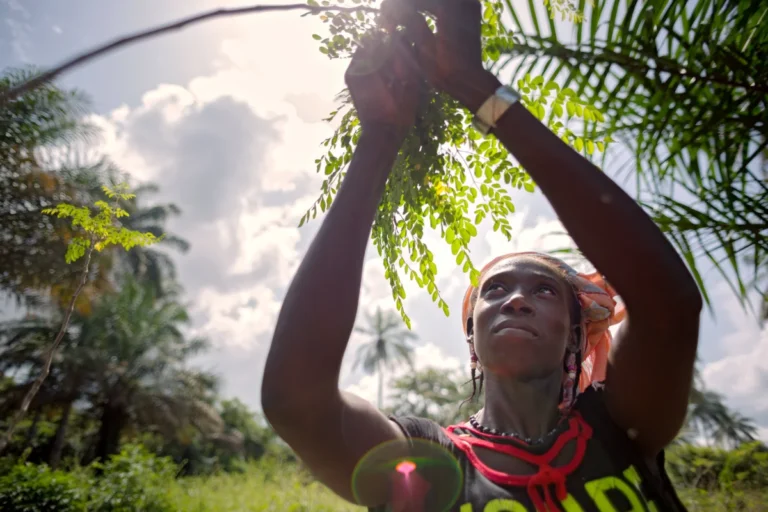
However, the story of women in the AIDS response is not solely one of victimhood. On the contrary, women living with HIV have emerged as the most formidable advocates and change-makers in the global health arena. From the grassroots level to the halls of international policy-making, their leadership is the engine driving the modern response. These women are not just recipients of aid; they are the architects of solutions. They understand the nuances of their communities and the specific barriers to care that a top-down approach often misses. By centering their voices, the global community can transform the AIDS response from a clinical intervention into a movement for social justice.
In response to these challenges, UN Women has intensified its efforts to fortify the leadership of women on the frontlines. In 2024 alone, the organization successfully strengthened the leadership capacities of more than 35,000 women across 36 different countries. This initiative is about more than just training; it is about ensuring that women have the tools, the confidence, and the platforms to demand their rights. In Africa and Central Asia, UN Women has expanded access to prevention and treatment through community-based services that prioritize outreach and legal empowerment. These programs are designed to meet women where they are, providing a safety net that bridges the gap between official health systems and the realities of daily life.
The political framework for this renewed commitment is rooted in the Beijing+30 Political Declaration. As the world approaches the 30th anniversary of the Beijing Declaration and Platform for Action—the most visionary agenda for the empowerment of women and girls—the international community has reaffirmed that women’s health is a critical area of concern. The pledge to advance the health rights of all women and girls is not just a moral obligation but a strategic necessity. If the goal is to end AIDS as a public health threat by 2030, the global response must be aligned with the principles of gender equality and human rights.
The call to action this World AIDS Day is a multifaceted one. First and foremost, there must be a reversal of the disinvestment trend. Donor nations and domestic governments alike must recognize that cutting HIV funding is a short-sighted move that will lead to much higher costs—both human and financial—in the future. Increasing domestic funding is essential for the sustainability of health programs, ensuring that they are not entirely dependent on the fluctuating priorities of international aid.
Secondly, the response must address the "shadow pandemic" of violence against women. As long as women fear for their safety, they cannot truly be free to manage their health. Integrating HIV services with gender-based violence support is a proven method for improving outcomes. When a woman enters a clinic for a check-up, she should also find a path to safety and legal recourse if she needs it. Legal empowerment is a powerful vaccine against the spread of the virus; when women know their rights and have the power to exercise them, they are better equipped to protect themselves.
Furthermore, supporting the networks of women living with HIV is paramount. These networks provide peer support, reduce stigma, and act as watchdogs for the quality of healthcare services. By resourcing these organizations, the global community is investing in a resilient, community-led infrastructure that can withstand political or economic disruptions. These are the leaders who are transforming lives, turning a diagnosis from a death sentence into a call for activism.
The reality is that the AIDS pandemic is not over. While the world has made incredible strides since the dark days of the 1980s and 90s, the "last mile" of the race is proving to be the most difficult. The virus is persistent, finding the cracks in our social systems and exploiting them. We cannot afford to be complacent or to assume that the progress we have made is permanent. The disruptions we face today—whether they are caused by conflict, climate change, or shifting political winds—require a response that is more flexible, more inclusive, and more determined than ever before.
As we look toward the future, the focus must remain on the power of women and girls to transform the response. This means moving beyond rhetoric and ensuring that "women’s leadership" is backed by actual resources and political will. It means listening to the adolescent girl in sub-Saharan Africa, the peer educator in Central Asia, and the advocate at the UN, and treating their insights as the roadmap for the way forward.
In the end, the fight against AIDS is a test of our global commitment to equality. It is a question of whether we believe that every person, regardless of their gender or where they live, deserves the right to a healthy and dignified life. By recommitting to the cause, by centering gender equality, and by resourcing the women who are leading the way, we can overcome the current disruptions and push forward toward a world where HIV is no longer a threat. The fight continues, and now is the time to protect our achievements and accelerate our progress, together.