
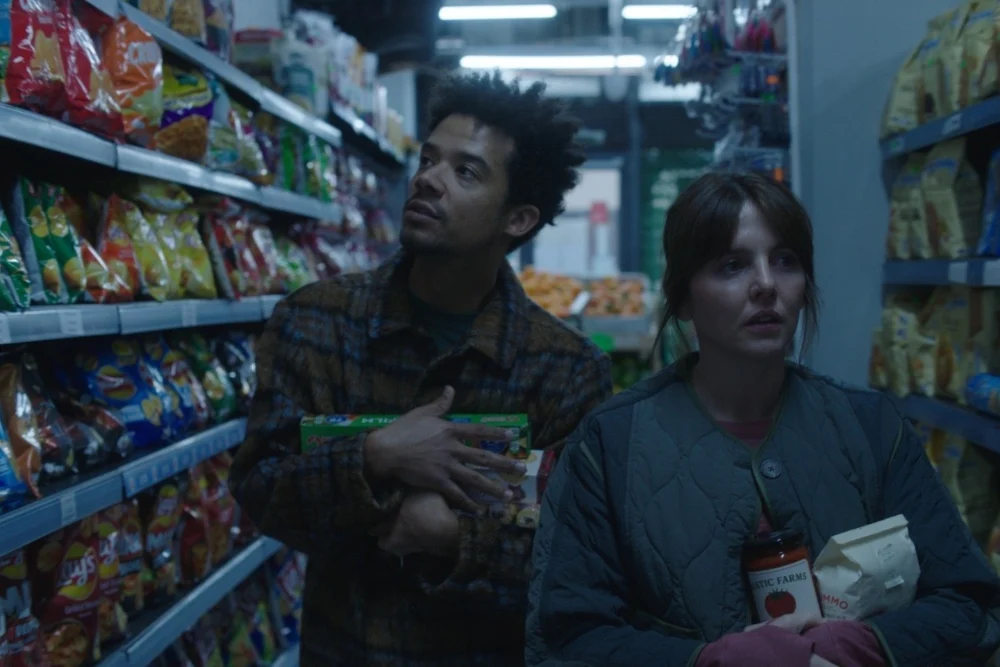
In a powerful and profoundly personal cinematic endeavor, "Still Life," a short film poised to redefine narratives around baby loss, brings together the compelling talents of Ophelia Lovibond, celebrated for her vibrant role in "Minx," and Jacob Anderson, acclaimed for his indelible performances in "Game of Thrones" and "Interview With the Vampire." This poignant project courageously confronts the raw aftermath of stillbirth, weaving a narrative tapestry of dark comedy and unflinching emotional honesty, all under the discerning eye of 19th Street Productions. More than just a film, "Still Life" is an urgent conversation starter, a beacon for those navigating the bewildering landscape of a grief too often shrouded in silence.
At its heart, "Still Life" is a deeply intimate undertaking, born from the lived experiences of its creators. Writer-producer Kate Radcliffe drew directly from the harrowing personal tragedy of losing her son, Dexter, crafting a script that dares to venture into territory rarely explored on screen. This commitment to authenticity is further amplified by director Sophie King, whose own life was touched by stillbirth with the loss of her brother. Together, their shared understanding and individual perspectives converge to create a work steeped in empathy and truth. The film, currently in its crucial post-production phase, promises to be a landmark piece, offering solace and understanding to countless individuals and families who have endured similar pain.
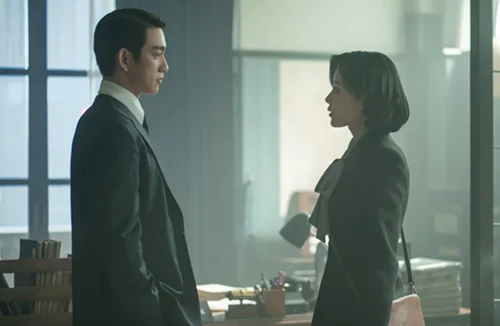
The narrative centers on Jess and Max, portrayed by Lovibond and Anderson respectively, as they grapple with the unimaginable sorrow of their son being stillborn at 24 weeks of pregnancy. Lovibond embodies Jess with a nuanced sensitivity, depicting her journey through an unexpected and often isolating form of motherhood. This "silent motherhood" is characterized by a landscape of milestones that will never be celebrated – first steps unseen, lullabies unsung, a future that exists only in memory and longing. It’s a motherhood defined by absence, fraught with the unique challenge of grieving a child the world never truly met, leading to uncomfortable social encounters where well-meaning but ill-informed individuals often inadvertently compound the pain. Anderson, as Max, delivers a portrayal of a father striving to maintain the fragile equilibrium of their family unit, attempting to be the steadfast anchor amidst the tumultuous waves of grief, while wrestling with his own profound sense of loss and helplessness.
The supporting ensemble further enriches the film’s emotional depth, featuring notable performances from Jordan Alexandra, Phoebe Pryce, Alex Bhat, and Felicity Montagu. Their contributions are integral to building the world around Jess and Max, illustrating the wider societal reactions – or lack thereof – to such a profound personal tragedy.
Ophelia Lovibond’s commitment to the project stems from a deep conviction about its necessity. "Kate’s script struck me as such an important subject matter to bring to light," Lovibond articulated, highlighting the film’s crucial role in societal discourse. She underscored the pervasive silence surrounding baby loss, noting, "There’s still so little conversation around baby loss that it can feel impossible to navigate, both for those experiencing its bewildering devastation directly and for those wanting (but not knowing how) to be supportive." Lovibond’s words resonate with the experiences of countless individuals who find themselves isolated in their grief, yearning for understanding and a language to articulate their pain. Her portrayal of Jess is therefore not just an acting role, but an act of advocacy, giving voice to the unspoken.
Jacob Anderson echoed Lovibond’s sentiments, emphasizing the transformative power of storytelling. "Stories are a great way to work through things that need to be said," Anderson remarked, acknowledging the therapeutic potential of art in addressing difficult subjects. He praised Radcliffe’s script for its unique blend of courage and humor, describing it as "brave, darkly funny and ultimately hopeful… about continuing to live in the face of the unimaginable." Anderson’s involvement adds another layer of gravitas to the project, demonstrating a willingness to tackle roles that challenge and provoke thought, expanding beyond his already diverse and celebrated career.
The stark reality that underpins "Still Life" is underscored by sobering statistics. In the U.K. alone, 2022 saw one in every 250 pregnancies tragically end in stillbirth, amounting to 2,680 stillbirths recorded that year – an average of eight babies lost daily. Disturbingly, 2021 marked the first time in seven years that stillbirth rates saw an increase, signaling a pressing need for greater awareness, research, and support. These numbers are not mere data points; they represent countless untold stories of heartache, unfulfilled dreams, and a silent epidemic impacting families across the nation.
Director Sophie King articulated her profound belief in the unique capacity of cinema to foster understanding and healing. "The greatest power of cinema is its capacity for catharsis and empathy," King stated, emphasizing how "Kate’s brutally honest script delivers on this so fully." For King, the film is also a deeply personal tribute. "As well as learning all about Kate’s first son, Dexter, it’s been an honor to pay tribute to my stillborn brother Alex by making this film." This dual dedication infuses "Still Life" with an authentic emotional resonance that transcends mere storytelling, becoming a shared act of remembrance and advocacy.
The production of "Still Life" itself reflects its core themes of empathy and shared experience. The crew was predominantly staffed by women, a conscious choice that speaks to the project’s focus on a deeply female experience of grief, yet also highlights the universal impact of baby loss. Radcliffe noted that a significant number of crew members, including men, harbored personal connections to baby loss, underscoring how widely this sorrow touches lives, often in quiet, unacknowledged ways. This collective empathy on set undoubtedly translated into a sensitive and understanding creative environment, crucial for tackling such a delicate subject matter.
Radcliffe’s ultimate aspiration for the film is both ambitious and profoundly humanistic. "If this film does anything, I hope it opens up a conversation about baby loss and resonates with anyone who has felt as lonely and devastated as I did the day Dexter died," she expressed. Her words are a testament to the isolating nature of stillbirth grief, where the lack of public discourse can leave parents feeling profoundly alone in their sorrow. "Still Life" seeks to break down these walls of silence, offering a shared space for recognition and validation.
The creative team envisions "Still Life" as more than a standalone short film; they see it as a vital proof of concept for a potential television series. This ambitious vision suggests a desire to delve even deeper into the multifaceted and long-lasting ramifications of stillbirth, exploring themes that a short film can only introduce. A series would allow for a more expansive examination of how grief evolves over time, its impact on relationships, the complexities of subsequent pregnancies, and the broader societal implications. This commitment signals a long-term dedication to keeping this crucial conversation alive and evolving.
Behind the scenes, the project benefits from a wealth of talent and experience. Sarah Roy produces alongside Kate Radcliffe, ensuring a robust and dedicated production pipeline. Simon Higgins lends his expertise as casting director, meticulously selecting the ensemble that brings these complex characters to life. Carmen Pellon, as director of photography, is tasked with translating the film’s delicate emotional landscape into a compelling visual narrative, balancing the inherent sadness with moments of dark humor and understated hope.
The individual résumés of the key creatives further attest to the project’s pedigree. Kate Radcliffe’s extensive background in television production includes prominent roles on acclaimed programs such as "The Graham Norton Show," "The Russell Howard Hour," "Rhod Gilbert’s Growing Pains," and "A League of Their Own." Her transition from light entertainment to a deeply dramatic and personal narrative showcases her versatility and courage as a storyteller. Sophie King, a distinguished BAFTA Connect director, has seen her work recognized and screened at Oscar and BAFTA-qualifying festivals, a testament to her directorial prowess. Her previous credits include Channel 4’s "Disability Benefits" and the award-winning short "Does Your Condom Make You Fat?", demonstrating a unique ability to tackle sensitive and often taboo subjects with both insight and a distinctive voice.
With production wrapping, the filmmakers are now strategically planning a targeted festival run, set to commence this year. Their focus will be on both U.K. and international festivals, aiming to maximize the film’s reach and impact. This festival circuit is not merely about accolades; it’s a vital platform for "Still Life" to connect with audiences, initiate critical dialogue, and garner the attention needed to propel its powerful message onto a broader stage, paving the way for the envisioned television series and, most importantly, fostering a more compassionate and understanding world for those touched by stillbirth.