



Aesthetic Atrocities Marring Kyoto’s Sacred Groves: Fushimi Inari and Arashiyama Face Defacement by Careless Visitors
Kyoto, a city synonymous with timeless beauty and profound cultural heritage, is grappling with a disheartening trend that threatens to tarnish its most cherished natural landscapes. The iconic Fushimi Inari Taisha, renowned for its mesmerizing tunnels of vermillion torii gates snaking up a sacred mountain, and the ethereal Arashiyama Bamboo Grove, are increasingly becoming canvases for vandalism, primarily by thoughtless tourists. These sacred sites, which offer visitors a deeply immersive experience into Japanese aesthetics and spirituality, are being marred by carvings and etchings into the very bamboo that defines their unique allure.
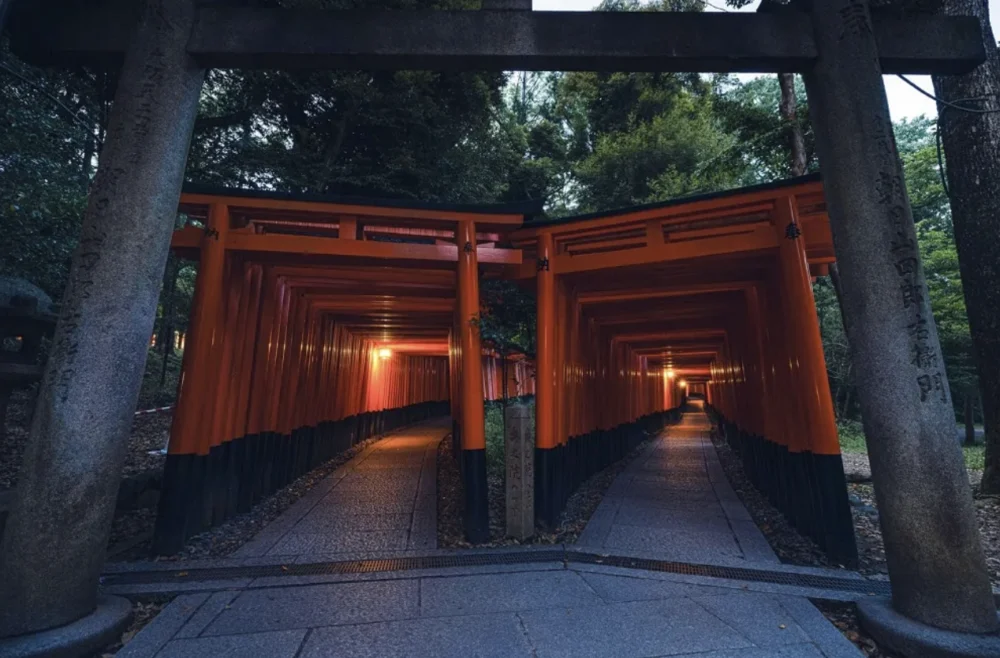
The visual spectacle of Fushimi Inari, with its seemingly endless pathways weaving through dense foliage and beneath thousands of donated torii gates, is designed to inspire awe and contemplation. It’s a place where the boundary between the spiritual and the natural world feels palpably thin. However, a growing number of visitors are leaving behind a less spiritual, and decidedly more destructive, mark. The serene beauty of the mountain’s walking paths is being systematically defaced by the initials, names, and even romantic declarations carved into the trunks of the bamboo trees that flank these routes. This act of vandalism not only spoils the aesthetic appeal of the natural environment but also poses a significant threat to the health and longevity of these magnificent plants.
Evidence suggests a substantial portion of this defacement is attributable to international tourists. The prevalence of non-Japanese names and script, along with the common inclusion of heart symbols and dates—presumably marking a visit—points towards a global issue impacting this treasured Japanese landmark. This trend is particularly pronounced near Fushimi Kandara, a sub-shrine situated partway up the mountain. Akira Nakamura, a local resident whose family has owned adjacent land for generations, has witnessed firsthand the escalating damage. He reports that over a hundred bamboo trees in his vicinity have been scarred. Beyond the unsightly visual blight, these carvings inflict deep wounds upon the bamboo, compromising their structural integrity and making them susceptible to disease, decay, and ultimately, toppling. The long-term ecological impact of such widespread damage is a growing concern for conservationists and local authorities alike.
This unfortunate phenomenon is not isolated to Fushimi Inari. The Arashiyama district, located on the opposite side of the city and famed for its own breathtaking bamboo forest, has also fallen victim to similar acts of disregard. Last year alone, approximately 350 bamboo trees in Arashiyama were found to have been carved into, transforming sections of the enchanting grove into a stark reminder of human carelessness. The sheer scale of these incidents highlights a systemic problem rooted in a lack of respect for cultural heritage and natural environments. The allure of leaving one’s mark, however ephemeral, seems to be overriding the appreciation for the intrinsic beauty of these sacred spaces.
The ripple effect of such vandalism is concerning. The presence of existing carvings can unfortunately embolden others, creating a dangerous precedent. The logic often follows a disturbing pattern: if others have already defaced the trees, then adding one’s own mark seems less significant, less of a transgression. This “safety in numbers” mentality undermines conservation efforts and perpetuates the cycle of destruction. To combat this, local authorities have resorted to a range of countermeasures. One such tactic, visible in footage capturing the damage, involves covering the carved sections with green tape. While this attempts to camouflage the unsightly marks, it is a temporary and resource-intensive solution. In more severe cases, entire sections of bamboo have been felled, creating gaps in the once-uniform groves and reducing the number of accessible targets for vandals.
These mitigation strategies, while necessary, are far from ideal. The primary objective of preserving the lush, dense, and immersive natural environment that draws millions to these sites is compromised by such interventions. The very essence of the Arashiyama bamboo forest’s magic lies in its unbroken, towering green canopy, and the tranquil pathways of Fushimi Inari are enriched by the seamless integration of nature and spirituality. Diminishing this natural splendor, even in an effort to protect it, represents a loss. Furthermore, implementing large-scale countermeasures at Fushimi Inari presents unique challenges. The land surrounding the walking paths is not a monolithic entity; it is divided into numerous small plots, each with its own owner. This fragmentation makes coordinated efforts and consistent enforcement incredibly difficult, allowing vandalism to persist across a wider, more dispersed area.
While the evidence, particularly visual documentation, points overwhelmingly to foreign tourists as perpetrators, it is important to acknowledge that not all vandalism originates from abroad. Reporters have indeed found instances of Japanese-language graffiti, indicating that a broader societal issue of disrespect for cultural and natural sites may exist. However, the sheer volume of foreign names and script captured in the footage cannot be ignored. Kyoto, often seen as the cultural heart of Japan, is also at the forefront of experiencing the negative consequences of its immense popularity as an international tourist destination. The challenges faced at Fushimi Inari and Arashiyama serve as stark reminders that the influx of global visitors, while economically beneficial, necessitates a heightened awareness and commitment to responsible tourism. For those planning a visit to Kyoto, or indeed any culturally significant location, embracing a mindset of profound respect and mindfulness is paramount. The privilege of experiencing such beauty comes with the responsibility of preserving it for future generations.
The cultural and natural heritage of Kyoto is a treasure not only for Japan but for the world. The serene beauty of Fushimi Inari Taisha, with its iconic thousand torii gates creating an otherworldly pathway, and the tranquil majesty of the Arashiyama Bamboo Grove, where towering stalks of bamboo create a cathedral of green, are experiences that leave an indelible mark on the soul. Yet, it is precisely these qualities that are being undermined by a disturbing trend: the defacement of these natural wonders by visitors who seem to prioritize leaving their ephemeral, personal marks over respecting the sanctity and beauty of their surroundings.
At Fushimi Inari, the spiritual journey up the sacred mountain is intended to be one of reflection and appreciation. The winding paths, shaded by dense foliage and punctuated by the vibrant vermillion of the torii gates, offer a unique aesthetic that has captivated visitors for centuries. However, this immersive experience is increasingly being marred by the scarred bark of bamboo trees. Initials, names, and declarations of affection are being carved into the living wood, transforming once-pristine natural elements into unsightly graffiti. This act, while seemingly minor to the perpetrator, inflicts significant damage on the bamboo, weakening them and making them susceptible to disease and decay. The visual impact is immediate and disheartening, detracting from the intended spiritual and aesthetic harmony of the shrine.
The evidence gathered, particularly through photographic and video documentation, strongly suggests that a significant portion of this vandalism is carried out by international tourists. The presence of non-Japanese names and scripts, alongside common markers like heart symbols and dates, points to a global audience contributing to the problem. This is especially prevalent in the areas surrounding Fushimi Kandara, a sub-shrine nestled along the mountain’s ascent. Local residents, like Akira Nakamura, whose family has long been stewards of the land adjacent to these paths, have expressed deep concern. Nakamura reports that over a hundred bamboo trees have been damaged in his vicinity alone, highlighting the widespread nature of the issue. The damage extends beyond mere aesthetics; it compromises the health of the trees, potentially leading to their premature demise and impacting the overall ecosystem of the mountain.
The problem is not confined to Fushimi Inari. The Arashiyama district, another jewel in Kyoto’s crown, famous for its breathtaking bamboo forest, has also become a target. Last year, an alarming number of approximately 350 trees in Arashiyama were found to have been carved into. This collective act of disrespect transforms the enchanting, almost magical, atmosphere of the grove into a disheartening display of human carelessness. The damage in Arashiyama is particularly poignant, as the dense, uniform growth of the bamboo is what creates its iconic beauty. When individual stalks are scarred, the uniformity is broken, and the sense of natural grandeur is diminished.
Authorities are grappling with effective ways to combat this persistent problem. One visible, though imperfect, solution has been the application of green tape over carved areas. This attempts to camouflage the unsightly marks and make them less noticeable. However, it is a labor-intensive and temporary measure. In more extreme cases, entire sections of bamboo have been removed, creating gaps in the once-seamless groves. This drastic action, while reducing immediate targets, fundamentally alters the visual character of the landscape, sacrificing the very density that makes these sites so captivating.
These countermeasures, while born out of necessity, represent a compromise. They diminish the pristine natural environment that visitors travel from across the globe to experience. The lushness and unbroken expansiveness of the Arashiyama bamboo forest, and the natural beauty integrated with spiritual elements at Fushimi Inari, are precisely what draw people in. To have to resort to artificial interventions or removal of trees is a tacit admission of defeat in preserving the natural integrity of these sites. Furthermore, the unique geographical and ownership landscape of Fushimi Inari complicates any large-scale preservation efforts. The bamboo groves are spread across numerous privately owned plots, making coordinated action and enforcement exceptionally challenging.
While visual evidence strongly implicates foreign tourists, it is crucial to acknowledge that this is not exclusively an international issue. Reporters have documented instances of Japanese-language vandalism, suggesting a broader problem of disrespect for cultural and natural heritage within Japan itself. Nevertheless, the sheer volume of non-Japanese graffiti observed cannot be overlooked. Kyoto, in particular, is often cited as a prime example of a city grappling with the less desirable aspects of becoming a globally recognized tourist hotspot. The strain on infrastructure, the cultural clashes, and now, the physical damage to its natural beauty, all underscore the complex challenges of mass tourism. For any visitor to Kyoto, or indeed any destination of significant cultural or natural value, a profound sense of responsibility and mindfulness is not merely encouraged but essential. The privilege of experiencing these wonders comes with the solemn duty to protect them, ensuring their beauty and significance endure for generations to come.
The issue extends beyond mere aesthetics. Bamboo, while resilient, is a living organism. Deep carvings can create entry points for pests and diseases, leading to rot and structural weakness. This can result in the premature death of the plant, a slow decay that ultimately impacts the entire grove. The interconnected root systems of bamboo mean that the health of one plant can affect many others. Thus, acts of vandalism can have cascading ecological consequences, altering the microclimate, reducing biodiversity, and diminishing the overall health and resilience of these vital natural spaces.
The cultural significance of both Fushimi Inari and Arashiyama cannot be overstated. Fushimi Inari Taisha is not just a tourist attraction; it is a sacred Shinto shrine dedicated to Inari, the god of rice, sake, and prosperity. The thousands of torii gates are donated by individuals and businesses as offerings, each representing a prayer or a token of gratitude. To deface the natural surroundings of such a sacred site is to show a deep disrespect for the spiritual beliefs and traditions it embodies. Similarly, the Arashiyama Bamboo Grove is a place of immense natural beauty that has inspired artists, poets, and musicians for centuries. It is a symbol of Kyoto’s enduring connection to nature and a vital part of its cultural identity.
The economic benefits of tourism are undeniable for a city like Kyoto, but they must be weighed against the potential for environmental and cultural degradation. The challenge lies in finding a sustainable balance. This requires a multi-faceted approach: enhanced visitor education, more visible signage emphasizing respect and conservation, stricter enforcement of anti-vandalism laws, and perhaps, innovative technological solutions for monitoring and reporting damage. Furthermore, fostering a sense of shared responsibility among both locals and tourists is crucial. This can be achieved through community engagement programs, cultural exchange initiatives that highlight the importance of preservation, and by encouraging tourists to become active participants in safeguarding the sites they visit.
The narrative of Kyoto’s beauty being marred by careless actions serves as a stark warning. As global travel becomes more accessible, the responsibility of each traveler to be an ambassador for their home country and a steward of their destinations grows. The allure of leaving a tangible, albeit destructive, mark on a foreign land speaks to a deeper issue of entitlement or a lack of understanding of the profound value of these places. The hope is that through continued awareness, education, and a collective commitment to responsible tourism, the natural splendor of Fushimi Inari and Arashiyama, and indeed all of Kyoto’s treasures, can be preserved for the inspiration and enjoyment of generations to come.