


China Central Television (CCTV) has unveiled plans for a monumental new adaptation of the timeless Chinese classic, Journey to the West (《西游记》), signaling a significant investment in reimagining one of the nation’s most cherished literary treasures. The highly anticipated drama is slated to commence production in the first quarter of 2027, with an ambitious 27-episode run and a staggering budget of 500 million Chinese yuan, approximately $70 million USD. This colossal undertaking promises to bring the epic pilgrimage of the Tang Monk and his disciples to life with unprecedented scale and visual fidelity, with filming locations set to include the iconic Flaming Mountains, the historically rich Yulin Caves, and even the evocative ruins of Nalanda Mahavihara in India. In a move underscoring the commitment to cutting-edge visual storytelling, the production team is reportedly joining forces with the prestigious Chinese Academy of Sciences to elevate the special effects to new heights.
The announcement has naturally ignited a fervent buzz among audiences, with speculation about the casting choices taking center stage. The legendary Monkey King, Sun Wukong, a character synonymous with rebellion, power, and mischievous charm, will be sought through an open audition process specifically targeting performers trained in traditional Chinese opera. This approach aims to capture the unique physicality and stylized performance essential to embodying the immortal simian. For the portly and perpetually food-obsessed Pigsy, known for his comedic relief and flawed yet endearing nature, the production is reportedly looking towards a seasoned comedic actor who can bring the character’s humorous antics to life. The stoic and loyal Sandy, often the grounding force of the group, is expected to be essayed by an actor possessing strong martial arts prowess, reflecting his role as a formidable protector and a skilled warrior.
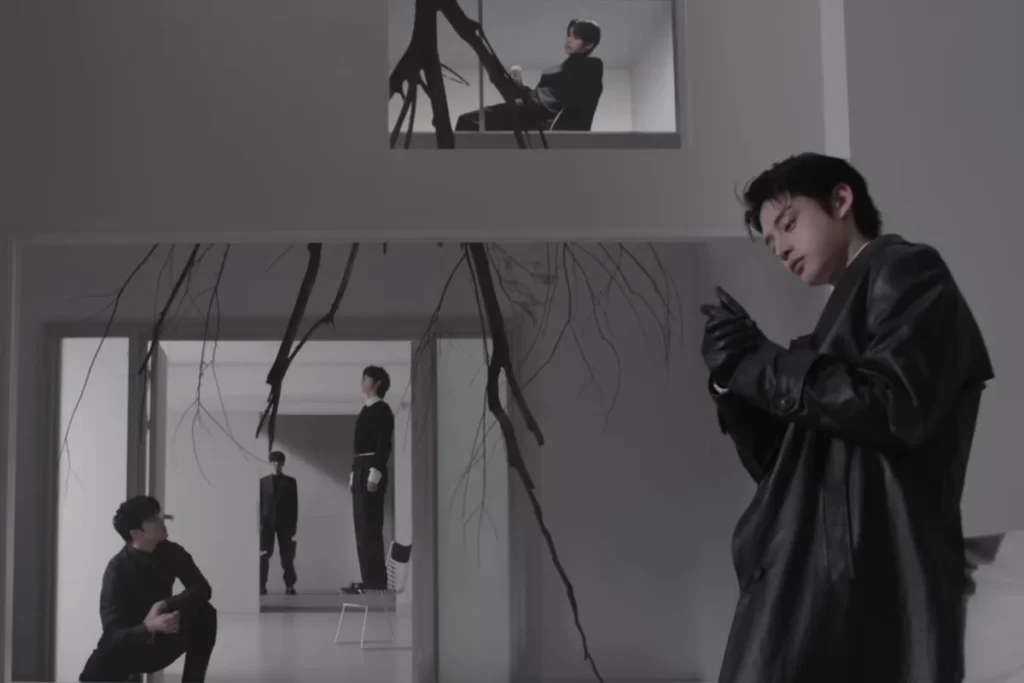
While official casting announcements remain forthcoming, whispers and rumors have begun to circulate, with Chinese actor Wang Yibo (王一博) reportedly being considered for the pivotal role of Tang Sanzang, the devout Buddhist monk tasked with retrieving sacred scriptures from the West. This speculative casting has already garnered considerable attention and praise from his dedicated fanbase, who believe Wang Yibo’s inherent cool demeanor and refined aura align perfectly with the serene, compassionate, and somewhat naive image of the Tang Monk. His ability to portray characters with a quiet intensity, combined with his burgeoning star power, makes him a compelling, albeit unconfirmed, candidate for this spiritually significant role.
The prospect of a high-budget, meticulously crafted adaptation of Journey to the West has been met with a duality of emotions. On one hand, there is palpable excitement and anticipation for a fresh interpretation of a story that has been a cornerstone of Chinese culture for centuries. The promise of state-of-the-art special effects and expansive filming locations suggests a visually spectacular experience that could introduce the beloved tale to new generations while offering seasoned fans a breathtaking rendition. The original novel, attributed to Wu Cheng’en and published in the 16th century, has captivated audiences for generations with its allegorical journey, its vibrant characters, and its profound exploration of Buddhist principles, perseverance, and the overcoming of inner and outer demons. The narrative follows the monk Xuanzang (Tang Sanzang) and his disciples – Sun Wukong (the Monkey King), Zhu Bajie (Pigsy), and Sha Wujing (Sandy) – as they travel westward to India to obtain Buddhist sutras. Along the way, they face 81 trials, encountering a menagerie of demons, monsters, and supernatural challenges, each testing their faith, loyalty, and resolve. The story is not merely an adventure epic but a rich tapestry woven with elements of mythology, folklore, humor, and philosophical reflection.
However, this excitement is tempered by a degree of apprehension. Remaking such an iconic and deeply ingrained piece of cultural heritage carries inherent risks. The 1986 television adaptation, produced by CCTV itself, is widely regarded as a definitive and beloved version, holding a sacred place in the hearts of many. Its charm, its memorable performances, and its pioneering special effects for its time have made it a nostalgic touchstone for millions. Any new adaptation faces the daunting challenge of not only meeting but potentially exceeding the high expectations set by this enduring predecessor, without alienating those who hold the original so dear. Critics and fans alike express a sentiment of being "both excited and afraid," a testament to the profound impact the original story and its previous adaptations have had. The fear is that a modern interpretation, while technologically advanced, might lose the spirit, the nuanced character development, or the cultural resonance that made the 1986 version so impactful.
The production’s commitment to authenticity in its filming locations speaks volumes about its ambition to ground the fantastical narrative in real-world grandeur. The Flaming Mountains (火焰山), a desolate and scorching landscape depicted in the novel as a formidable barrier, are a real geological formation in Xinjiang, known for its intense summer heat and striking red rock formations. Capturing these natural wonders will undoubtedly lend a visceral sense of place to the arduous journey. The Yulin Caves (榆林窟), part of the Mogao Caves complex near Dunhuang, are a treasure trove of Buddhist art, housing an astonishing collection of murals and sculptures dating back over a thousand years. These caves served as important religious and cultural sites along the ancient Silk Road, and their inclusion in the filming schedule promises to imbue the drama with a profound sense of history and spiritual depth, offering a visual connection to the very origins of Buddhist art and pilgrimage. The decision to film at the ruins of Nalanda Mahavihara in India further emphasizes the global scope of the journey. Nalanda was once a renowned ancient Buddhist monastery and a center of learning, attracting scholars and students from across Asia. Its inclusion signifies a commitment to honoring the historical and geographical accuracy of Xuanzang’s actual pilgrimage, adding an authentic layer to the fictionalized narrative.

The collaborative effort with the Chinese Academy of Sciences for special effects is particularly noteworthy. This partnership suggests a desire to push the boundaries of visual effects in Chinese television production, aiming for a level of realism and imagination that can faithfully translate the fantastical elements of Journey to the West. The novel is replete with supernatural beings, magical transformations, and epic battles, all of which will require sophisticated visual artistry to bring to life convincingly. By leveraging the expertise of a scientific institution, the production hopes to achieve groundbreaking results, potentially setting a new benchmark for visual storytelling in historical dramas. This could range from hyper-realistic depictions of mythical creatures to awe-inspiring manifestations of magical powers, all designed to immerse the audience in the extraordinary world of the pilgrims.
The open audition for the Monkey King is a particularly intriguing aspect of the casting process. The character of Sun Wukong is incredibly demanding, requiring a performer with exceptional acrobatic skills, a mastery of traditional opera techniques, and the ability to convey a wide range of emotions, from playful defiance to fierce determination. Traditional opera training emphasizes rigorous physical discipline, vocal projection, and stylized movement, all of which are crucial for embodying the energetic and dynamic Monkey King. This emphasis on operatic performers suggests a deliberate effort to honor the traditional performance styles associated with the character, ensuring a portrayal that is both authentic and visually captivating. The Monkey King, born from a stone and taught by a Taoist immortal, is a figure of immense power and a symbol of breaking free from earthly constraints. His journey with the monk is one of penance and spiritual growth, transforming his rebellious nature into disciplined devotion.
Pigsy, or Zhu Bajie, is the antithesis of the disciplined warrior, embodying earthly desires and a penchant for gluttony and laziness. His character provides much of the comedic relief, but also serves as a reminder of the challenges of overcoming one’s own vices. Casting a comedic actor is a logical choice to capture his boisterous personality and his often-misguided actions. The character’s transformation from a heavenly marshal banished for misconduct to a disciple seeking redemption is a key arc, and a skilled comedian can highlight both the humor and the underlying pathos of his struggle.
Sandy, or Sha Wujing, is often depicted as the most understated of the disciples. A former general of the Jade Emperor, he was banished to the mortal realm for breaking a valuable goblet. His loyalty and steadfastness are his defining traits, and his role as a protector of the monk is paramount. An actor with strong martial arts skills would be well-suited to portray Sandy’s physical prowess and his quiet, dependable nature. He often acts as the mediator between the more volatile Sun Wukong and the more self-indulgent Zhu Bajie, providing a steady presence throughout the arduous journey.
The enduring appeal of Journey to the West lies in its multifaceted nature. It is an adventure story filled with thrilling encounters, a spiritual allegory exploring the path to enlightenment, and a profound commentary on human nature, its flaws, and its potential for redemption. The characters themselves are archetypal, representing different facets of the human psyche and the challenges inherent in personal growth. Sun Wukong embodies untamed spirit and the struggle against authority; Zhu Bajie represents the allure of worldly pleasures and the difficulty of self-control; Sha Wujing symbolizes loyalty and steadfastness; and Tang Sanzang embodies faith, compassion, and unwavering determination in the face of adversity. Their collective journey is a metaphor for the spiritual quest, where each trial overcome leads to a deeper understanding of oneself and the world.
The choice of CCTV to undertake such a significant production is a testament to the enduring cultural relevance of Journey to the West and the growing ambition of Chinese television to produce high-quality, internationally competitive content. In recent years, Chinese dramas have seen a surge in popularity both domestically and abroad, often driven by lavish period pieces and compelling storytelling. This new adaptation has the potential to further elevate China’s position in the global entertainment landscape, showcasing its rich cultural heritage and its advanced production capabilities. The massive investment indicates a belief in the commercial viability and cultural significance of the project, aiming to create a definitive modern interpretation that will resonate with audiences worldwide.
However, the shadow of past interpretations, particularly the beloved 1986 series, looms large. That version, with its iconic theme song, memorable characterizations, and groundbreaking special effects for its era, has become deeply embedded in the cultural consciousness of China and many East Asian countries. The performances by Liu Xiao Ling Tong as the Monkey King, Ma Dehua as Pigsy, and Yan Huai Xu as Sandy are etched in the memories of generations. Any new portrayal will inevitably be compared to these iconic roles, making the casting and performance of the principal characters a critical factor in the new adaptation’s success. The challenge for the new cast and crew will be to honor the spirit of the original while forging their own unique identity, offering a fresh perspective that speaks to contemporary audiences without sacrificing the timeless essence of the story. The success of this ambitious undertaking will hinge on its ability to balance reverence for tradition with innovation, creating a Journey to the West that is both a faithful homage and a groundbreaking reimagining for the 21st century.