


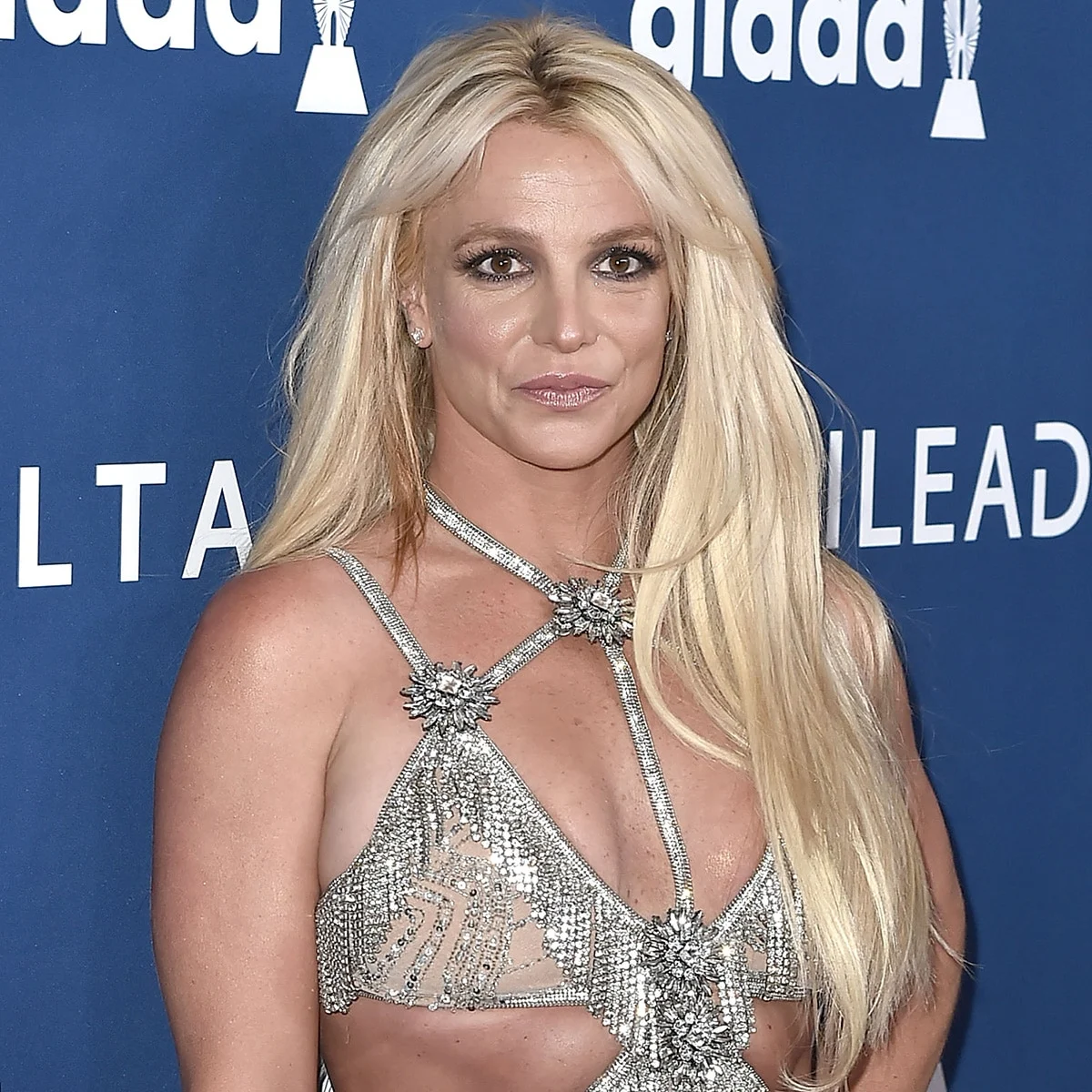
In a decisive move toward personal health and long-term stability, pop icon Britney Spears has voluntarily entered a treatment facility to focus on her well-being. The announcement, confirmed by a representative for the 44-year-old singer on April 12, comes exactly one month after a widely publicized legal setback involving a driving under the influence arrest in California. This latest step is being viewed by those close to the "Circus" singer as a proactive and necessary measure to ensure her future success and mental clarity.
The timeline of recent events began on the evening of March 4, when Spears was taken into police custody shortly after 9 p.m. local time. According to law enforcement records, the Grammy winner was released the following morning. At the time of the incident, representatives for the singer were transparent about the gravity of the situation, describing the arrest as an "unfortunate incident" that was "completely inexcusable." However, they also emphasized that the arrest served as a catalyst for a "long-overdue change" in the singer’s life. With a court date set for May 4 to address the legal ramifications of the DUI, Spears is utilizing the interim to engage in intensive self-care and professional support.
The singer’s inner circle has reportedly rallied around her during this pivotal transition. Her sons, 20-year-old Sean Preston and 19-year-old Jayden James—whom she shares with ex-husband Kevin Federline—are expected to spend significant time with her as she navigates her recovery. The focus remains on creating a sustainable "plan for success" that prioritizes her mental and physical health. Even those no longer in her daily life have extended olive branches; her ex-husband, Sam Asghari, recently expressed his well-wishes publicly. Speaking at the Elton John Foundation Oscars Viewing Party in mid-March, Asghari noted that while they have not maintained direct communication, he wishes her nothing but recovery and success, emphasizing that privacy is the most vital component of such a journey.
Spears is far from alone in navigating the complexities of addiction and the public eye. Her decision to seek help places her among a growing number of high-profile figures who have chosen to speak candidly about their struggles, effectively destigmatizing the path to sobriety. For many, the journey begins with a "white light" moment or a stark realization of what is at stake.
NBA champion Lamar Odom has become a vocal advocate for addiction education following his own legal and health crises. After a 2026 DUI arrest, Odom shifted his perspective, viewing addiction not as a moral failing but as a chronic brain disease. Having survived a near-fatal overdose in 2015, Odom now finds strength in his 60-plus days of sobriety, hoping his "mental and physical endurance" can serve as a blueprint for others. Similarly, American Pie star Jason Biggs has been open about the "obsessive" nature of his past relationship with booze and drugs. Biggs, who recently celebrated a milestone of sobriety, recalled the exhausting lengths he went to in order to hide his addiction, even stopping at liquor stores immediately after productive therapy sessions. His message remains one of communal hope: "We can do this."
For some athletes, the road to dependency began with the physical demands of their careers. Two-time World Cup champion Ashlyn Harris recently detailed her past misuse of Adderall, a habit that spiraled out of control during her college years while she battled injuries. Harris described a "dark" period of snorting the medication and going days without sleep before her coach, Anson Dorrance, helped her reframe her suffering through literature and discipline.
The motivation for change often stems from the next generation. Rapper Offset, a member of the group Migos, revealed that he has been sober from codeine for four years. The turning point was a heartbreakingly innocent question from his teenage son, Jordan, who noticed the rapper’s drink was a different color than his own. The realization that he was influencing his child’s perception of normalcy prompted Offset to "kick the habit" and prioritize his role as a father. Similarly, Eminem’s journey to sobriety was fueled by the fear of missing milestones in his daughter Hailie Jade’s life. After a terrifying overdose, the Oscar winner began treating his sobriety as a "superpower," channeling his newfound clarity back into his music.
In the world of Hollywood, even the most seasoned veterans have faced these demons. Two-time Oscar winner Anthony Hopkins recently celebrated a staggering 50 years of sobriety. His journey began after a 1975 blackout while driving in California, a moment where he realized he could have easily ended his own life or the lives of others. His message to those currently struggling is simple yet profound: "Choose life." Alec Baldwin has shared a similar sentiment, reflecting on a "white-hot" two-year period in the 1980s where he abused cocaine and alcohol daily. Now nearly 40 years sober, Baldwin finds his peace in the simple routines of life in New York City.
The modern era of celebrity sobriety also includes those who have opted for a "dry" lifestyle to enhance their mental performance. Tom Holland, the Spider-Man star, walked away from alcohol in 2022 after feeling "enslaved" to the habit. He noted that the absence of alcohol allowed him to handle the stresses of film sets with far more grace and clarity. Anne Hathaway shared a similar milestone in early 2024, marking five years of sobriety. For Hathaway, the decision wasn’t about hitting a rock bottom, but rather a realization that alcohol acted as "wallowing fuel" that no longer served her personal growth.
However, the path is rarely linear. Dax Shepard, who had maintained 16 years of sobriety, courageously shared his 2020 relapse following a motorcycle accident. His transparency about the "enormous secret" of his Vicodin use highlighted the constant vigilance required in recovery. Demi Lovato has also been a beacon of transparency, sharing the heartbreak of her 2018 relapse through her music before surviving a near-fatal overdose. Lovato’s journey serves as a reminder that addiction is a chronic illness that requires daily management and immense self-compassion.
From Jada Pinkett Smith’s "cold turkey" approach to her past addictions to AJ McLean’s realization that his "AJ" persona was separate from his true self, Alexander James, the stories of these celebrities mirror the struggles of millions. Whether it is Bow Wow warning the youth about the dangers of "lean" after his own hospitalization, or Jamie Lee Curtis reflecting on a decade of opiate addiction that began with a routine plastic surgery, the narrative is the same: recovery is possible with support and honesty.
Lily Allen’s intervention, staged by friends Gwyneth Paltrow and Chris Martin, and Dennis Quaid’s "white light" experience that ended his "love affair" with cocaine, further illustrate the diverse ways individuals find their way back to health. Even Olympic legend Ryan Lochte and actor Jason Ritter have navigated the intersection of public expectation and private struggle, eventually finding that sobriety must be a personal choice made for oneself, even if it is initially inspired by loved ones.
As Britney Spears begins this chapter of her recovery, she joins a resilient community of peers who have proven that a setback does not define a legacy. With the support of her family and a commitment to professional treatment, the "Princess of Pop" is taking the necessary steps to reclaim her narrative and her health. Her journey, while deeply personal, continues to resonate as a powerful testament to the importance of seeking help and the enduring strength of the human spirit.