


Diplomatic Rift Threatens Beloved Pandas’ Future in Japan
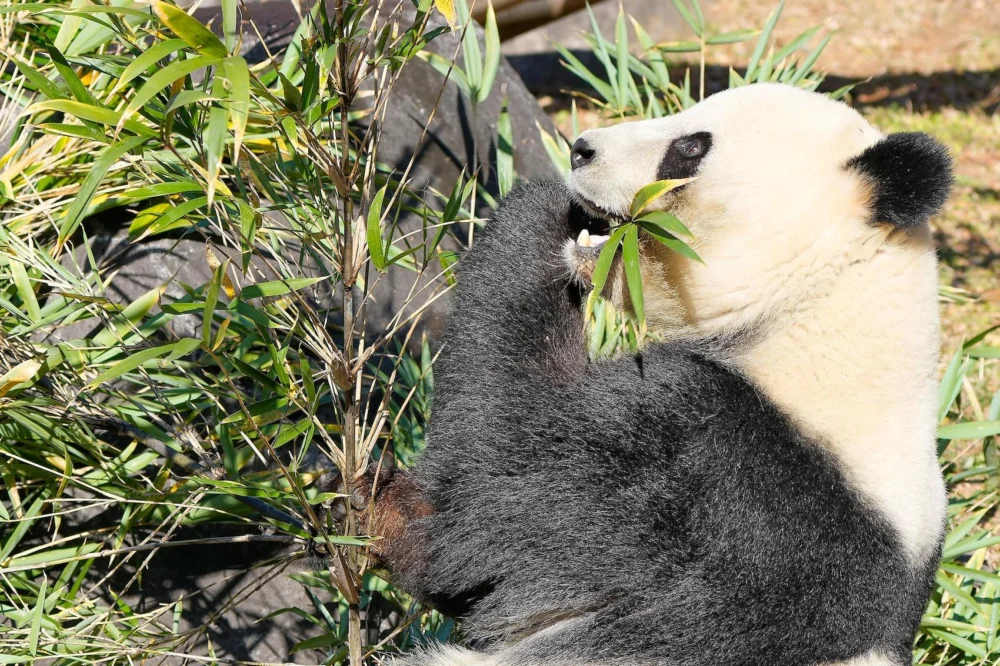
The iconic giant pandas, long cherished as symbols of friendship and captivating attractions in Japanese zoos, are facing an uncertain future. For over half a century, these gentle giants have brought joy to millions, but a deepening diplomatic spat between China and Japan, particularly concerning Taiwan, has cast a shadow over their continued presence in the Land of the Rising Sun. The impending departure of the last remaining pandas, twin sisters Lei Lei and Xiao Xiao, in January marks a poignant moment, signifying the first time since 1972 that Japan will be without these beloved creatures. This departure is not merely an end of an era for panda enthusiasts but also a stark reflection of the complex geopolitical currents shaping international relations.
The history of giant pandas in Japan is deeply intertwined with the nation’s post-war diplomatic overtures. The initial gift of a pair of pandas, Kang Kang and Lan Lan, in 1972, following the normalization of bilateral ties between China and Japan, was a momentous occasion. These first ambassadors of goodwill were instrumental in drawing record crowds, with Ueno Zoological Gardens in Tokyo reporting an astonishing 7,640,000 visitors in 1974. This initial success paved the way for what became known as “panda diplomacy,” a strategic deployment of pandas by China to foster goodwill and strengthen relationships with other nations. Over the decades, Japan has been a consistent recipient of these “loans,” further cementing the pandas’ status as cherished cultural icons.
The current crisis stems from a recent surge in diplomatic tensions. Remarks made by Japanese Prime Minister Sanae Takaichi, suggesting Japan’s potential involvement in defending Taiwan during an emergency, have deeply angered China. This strong reaction has not only strained political relations but has also cast a pall over the prospects of any new panda introductions to Japan. The very animals that have served as bridges between the two nations are now caught in the crossfire of escalating political rhetoric.
The panda craze ignited by the Ueno Zoo’s initial residents had a profound cultural impact across Japan. It fostered a generation of devoted panda lovers and led to the expansion of panda loans to other prominent zoological institutions, including Adventure World in Shirahama, Wakayama Prefecture, and Oji Zoo in Kobe. These pandas became more than just animals; they were national treasures, eliciting widespread public affection and inspiring a unique subculture of panda admiration.
However, the international trade of endangered species has always been subject to strict regulations. In 1984, giant pandas were classified under the Convention on International Trade in Endangered Species of Wild Fauna and Flora (CITES), commonly referred to as the “Washington Convention.” This classification effectively banned international commercial trade, meaning that any pandas sent to Japan were strictly on loan for breeding and research purposes, with China retaining ultimate ownership.
The Ueno Zoo experienced a significant moment of loss in the 2000s. Ling Ling, a male panda who had resided at the zoo since 1992, passed away in April 2008, leaving the institution temporarily without any giant pandas. The sense of emptiness and disappointment among zoo officials and the local community was palpable. Yet, through concerted efforts involving government support and dedicated stakeholders, a new chapter began in 2011 with the arrival of Ri Ri and Shin Shin, a male and female pair. Their presence reignited public hope and anticipation.
The arrival of Ri Ri and Shin Shin ushered in a new generation of pandas. Their cub, Shan Shan, was born in 2017, followed by the twins Lei Lei and Xiao Xiao in 2021. These births were celebrated as triumphs of conservation and cross-border collaboration, further endearing the pandas to the Japanese public. However, the underlying principle of CITES remained: these animals were on loan, with an understanding that they would eventually return to China. This provision, while crucial for conservation, has always meant that the joy of having pandas in Japan is inherently temporary.
The farewells have often been emotional. Shan Shan returned to China in 2023, and her parents, Ri Ri and Shin Shin, followed in 2024. At Adventure World, a similar pattern unfolded, with three pandas, including the popular Eimei, returning in 2023, and an additional four departing this year. Both Ueno and Wakayama zoos witnessed scenes of heartfelt goodbyes, with crowds lining the streets, many in tears, as the pandas embarked on their journeys back to their native land. The departure of Xiao Xiao and Lei Lei in January will leave Japan panda-less for the first time in over five decades.
Historically, when a panda passed away or was due for return, China would facilitate the loan of a new one, ensuring the continuity of this unique diplomatic and cultural exchange. However, the current political climate has instilled a new level of anxiety among panda aficionados. The dispute over Taiwan has led China to issue advisories urging its citizens to avoid travel to Japan, citing concerns about public safety, and has also imposed a ban on Japanese seafood imports. These actions are seen by many as a deliberate diplomatic pressure tactic.
The sentiment that pandas might be used as a tool of political leverage is growing. A Chinese expert, quoted by the Beijing Daily, suggested that if tensions between Japan and China persist, China might indeed refrain from offering new panda loans, effectively ending Japan’s access to these beloved animals. This prospect has led some commentators to label the situation as “panda sanctions.” The immense popularity of pandas in Japan makes them a potent symbol, and their potential withdrawal could serve as a powerful message from Beijing. While China has historically used panda diplomacy to foster positive relations, the current geopolitical landscape appears to be altering this dynamic. It is worth noting, however, that even during periods of strained relations, such as in 2011, China did permit the loan of Ri Ri and Shin Shin to Japan, suggesting that a complete cessation of exchanges is not unprecedented but rather a strategic decision based on prevailing circumstances.
Despite the escalating political tensions, officials at the Tokyo Metropolitan Government’s Bureau of Construction, which oversees Ueno Zoo, remain committed to pursuing a new panda loan, as they have done in the past. Their approach emphasizes the collaborative nature of wildlife conservation and research. “We are communicating with the China Wildlife Conservation Association – not the Chinese government – for the purpose of wildlife protection and research,” an official stated, acknowledging the potential for political influence but maintaining a focus on the scientific and conservation aspects of the exchange. This distinction highlights the delicate balance between diplomatic realities and the dedication of institutions to their long-standing partnerships.
Beyond official channels, private-sector initiatives and organizations dedicated to fostering bilateral ties also play a significant role in facilitating panda exchanges. Yukinori Yokomi, secretary general of the Japan-China Friendship Association, views pandas as vital “envoys of peace” between the two nations. His organization has historically acted as a crucial intermediary, and the current cessation of exchange events between Japan and China is a cause for deep concern. The erosion of such cultural and people-to-people exchanges can have a ripple effect, potentially exacerbating misunderstandings and hindering efforts to build mutual trust.
The anxieties of panda enthusiasts are palpable. A 42-year-old man from Kyoto Prefecture, visiting Ueno Park in November, expressed his hopes: “Pandas are special animals that soothe your mind just to look at. While I understand the complexities of Japan-China diplomatic relations, I hope they remain in Ueno for the sake of the children who look forward to seeing them.” His sentiment was echoed by his 5-year-old daughter, who, while clutching a stuffed panda, simply stated, “I’d be sad if the cute pandas disappear.” Their words encapsulate the profound emotional connection many Japanese people have with these animals, a connection that transcends political divides and speaks to a universal desire for wonder and innocence.
The potential absence of giant pandas in Japan is more than just the loss of a popular zoo attraction. It represents a tangible consequence of geopolitical friction, impacting cultural exchange, public sentiment, and the cherished legacy of a unique diplomatic tradition. As the situation unfolds, the world watches to see whether the enduring appeal of these gentle creatures can navigate the turbulent waters of international politics and continue to serve as symbols of peace and connection between Japan and China.
© KYODO