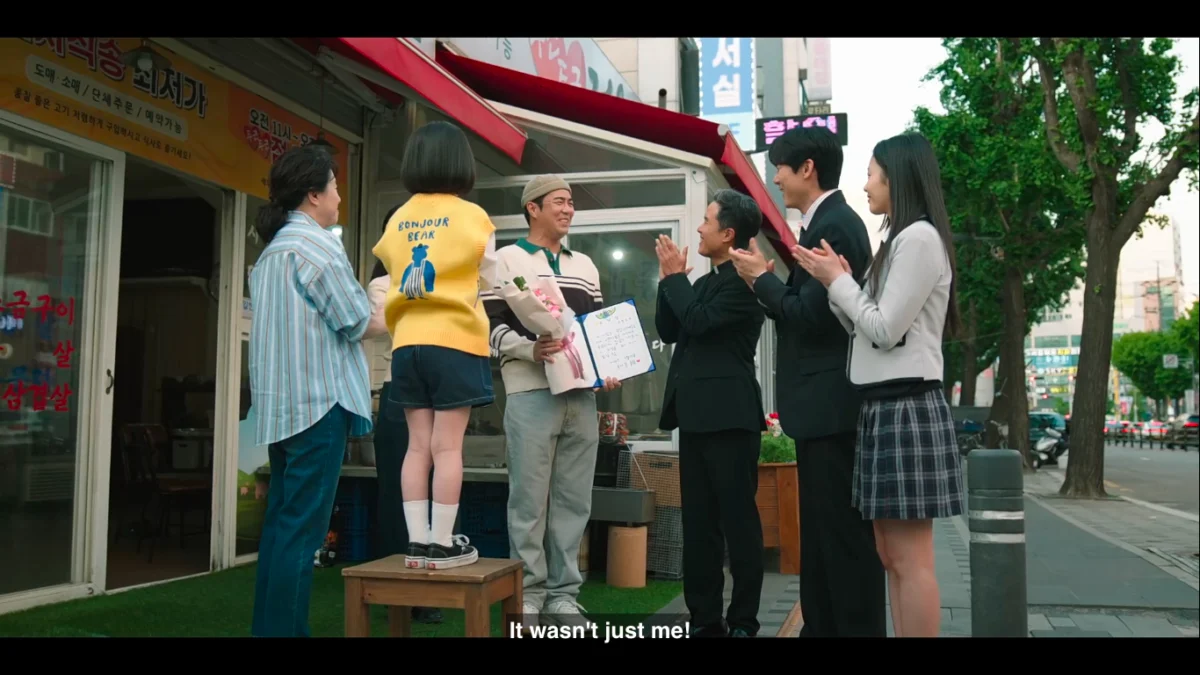
The latest episodes of the captivating K-drama, “Phantom Lawyer,” have solidified its unique appeal, masterfully weaving together compelling legal drama with supernatural elements and a deeply human touch. At its heart is Shin I Rang, portrayed with remarkable versatility by Yoo Yeon Seok. Once a rookie lawyer navigating the mundane world of law, I Rang’s life takes an extraordinary turn when he acquires the bewildering ability to see and communicate with ghosts. This bizarre gift thrusts him into an unexpected new role: an advocate for the departed, helping lost souls find justice and peace in the realm of the living. While still grappling with the awkwardness and inherent challenges of his newfound powers, the recent installments of “Phantom Lawyer” delivered a potent mix of laugh-out-loud moments and scenes that tugged deeply at the heartstrings, offering viewers a journey through both uproarious comedy and profound sorrow. These episodes, particularly the third and fourth, proved to be a pivotal point, showcasing the drama’s impressive range and its commitment to both entertaining and emotionally resonant storytelling.
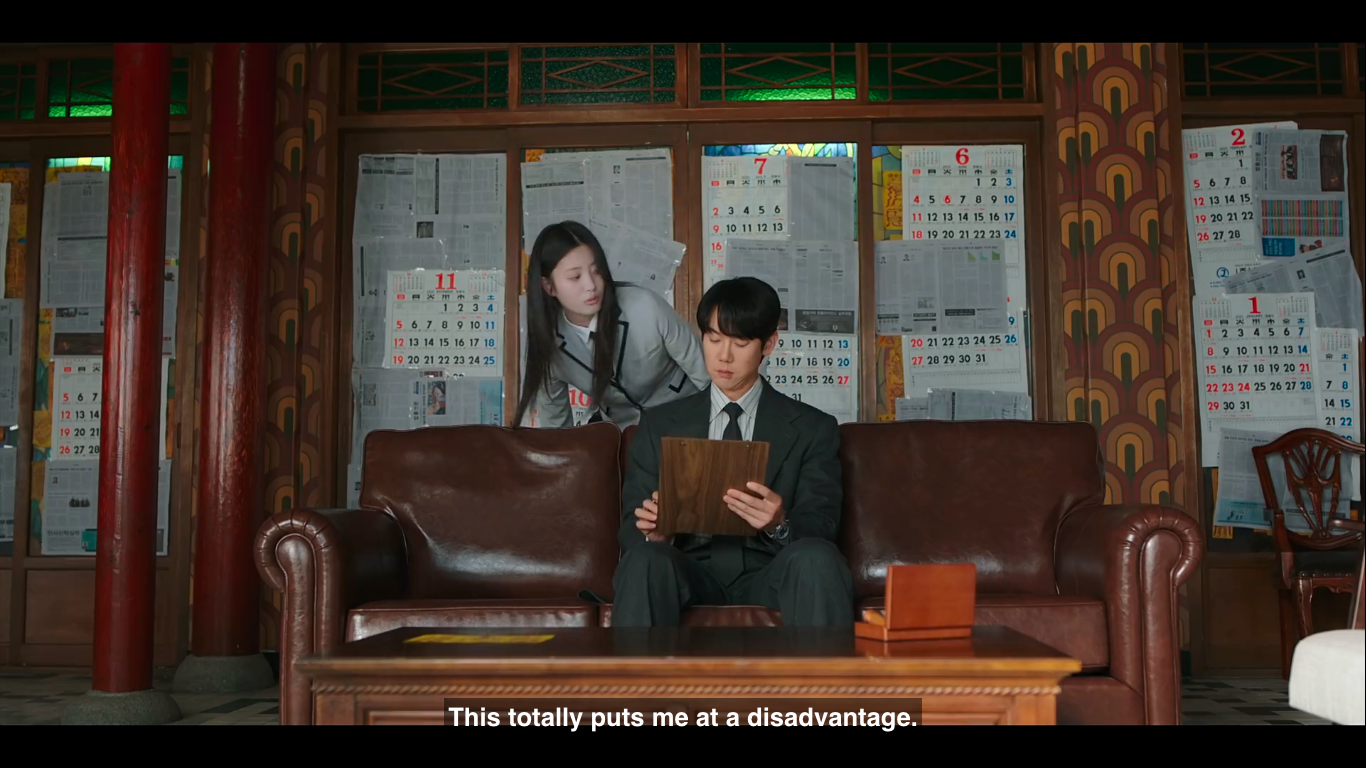
Warning: The following content contains spoilers from episodes 3-4 of “Phantom Lawyer.”
Moments of Levity: Unforgettable Humor
Shin I Rang’s Teenage Transformation
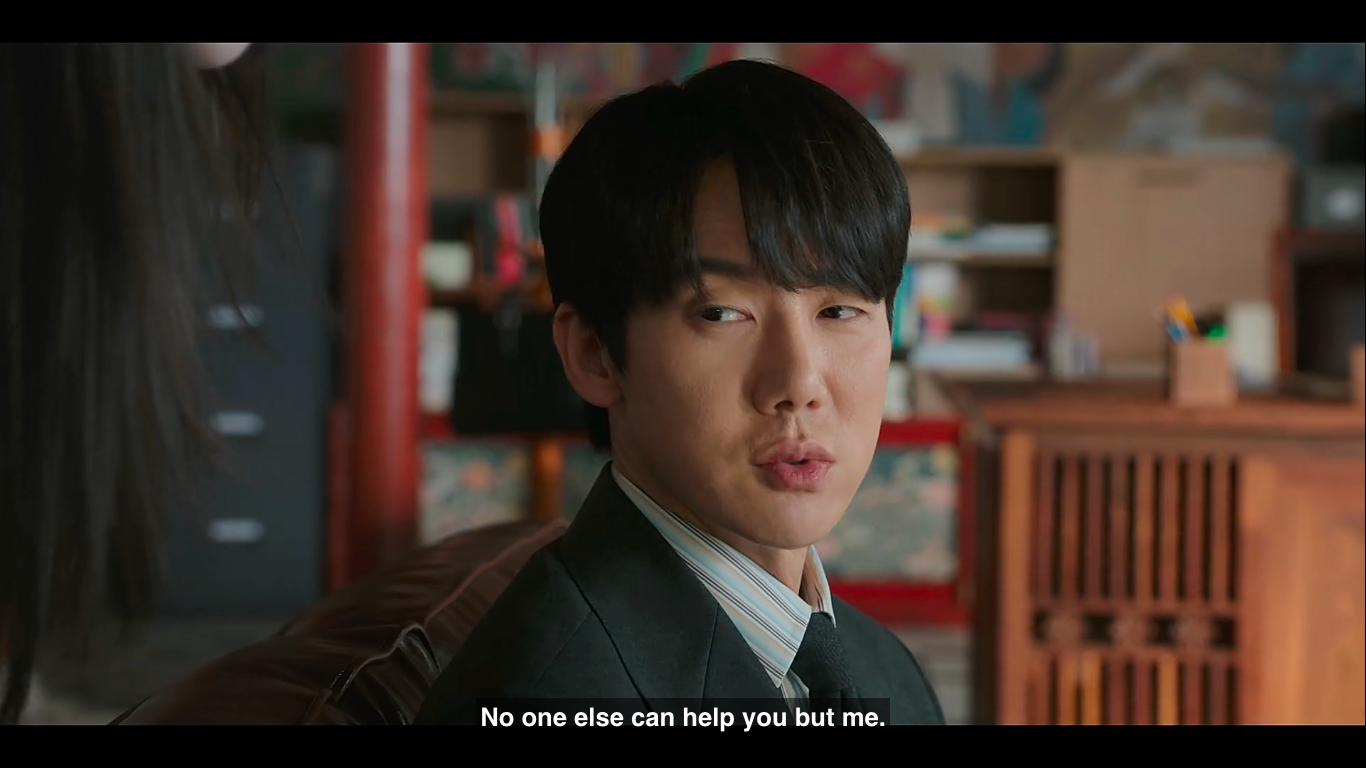
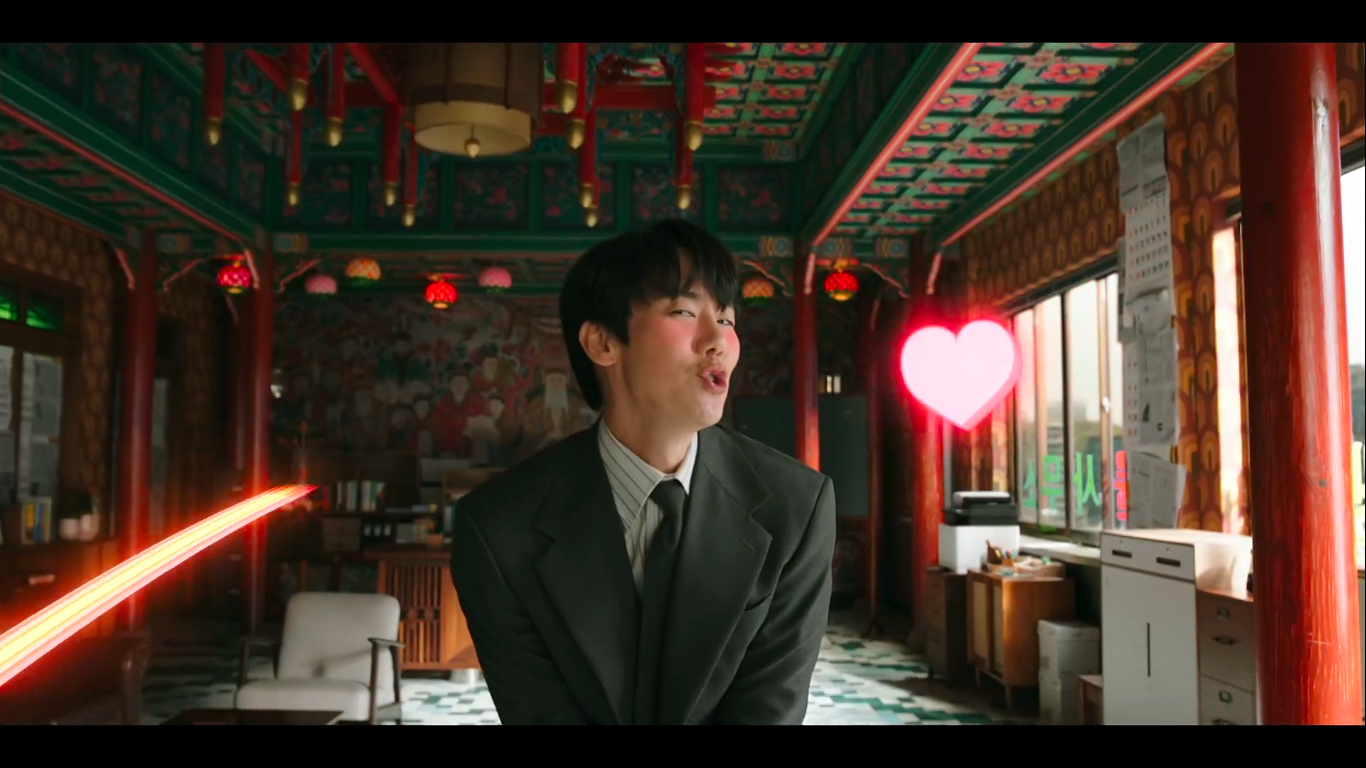
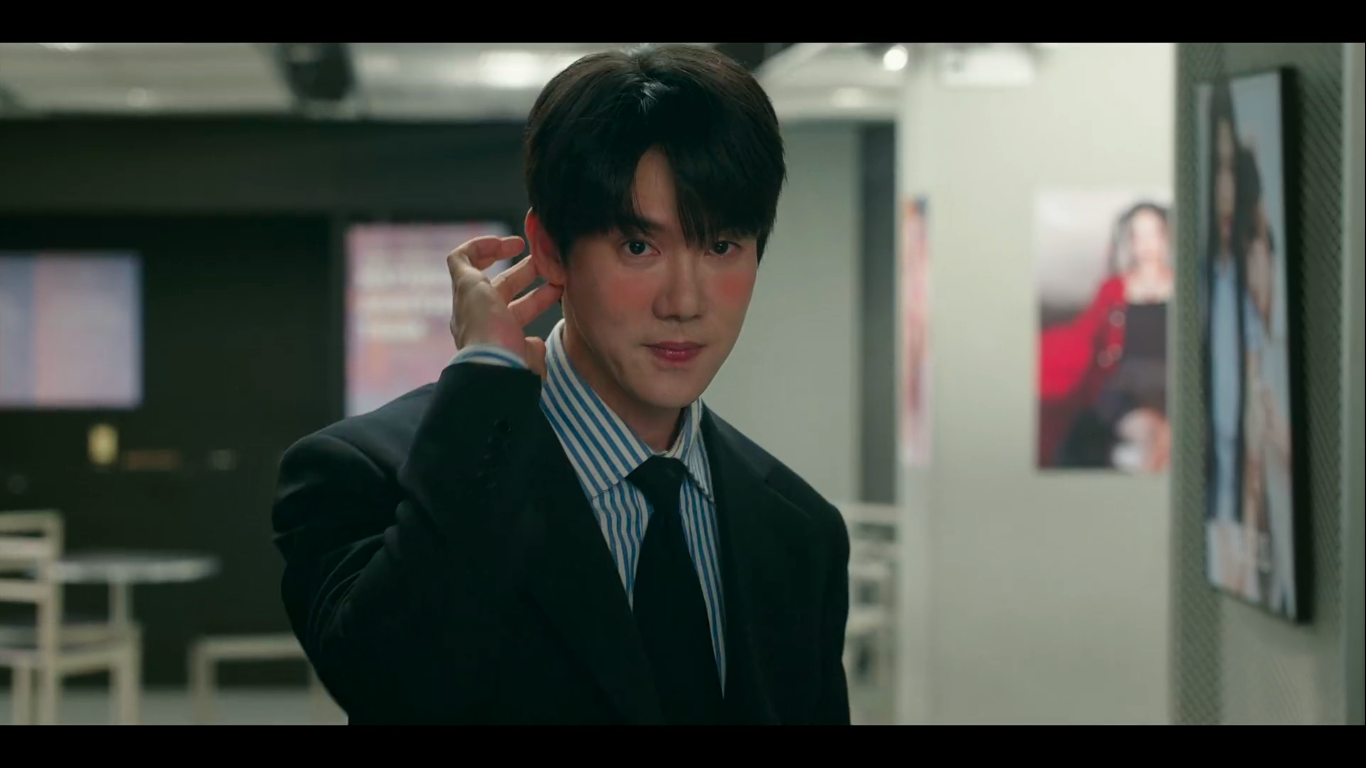
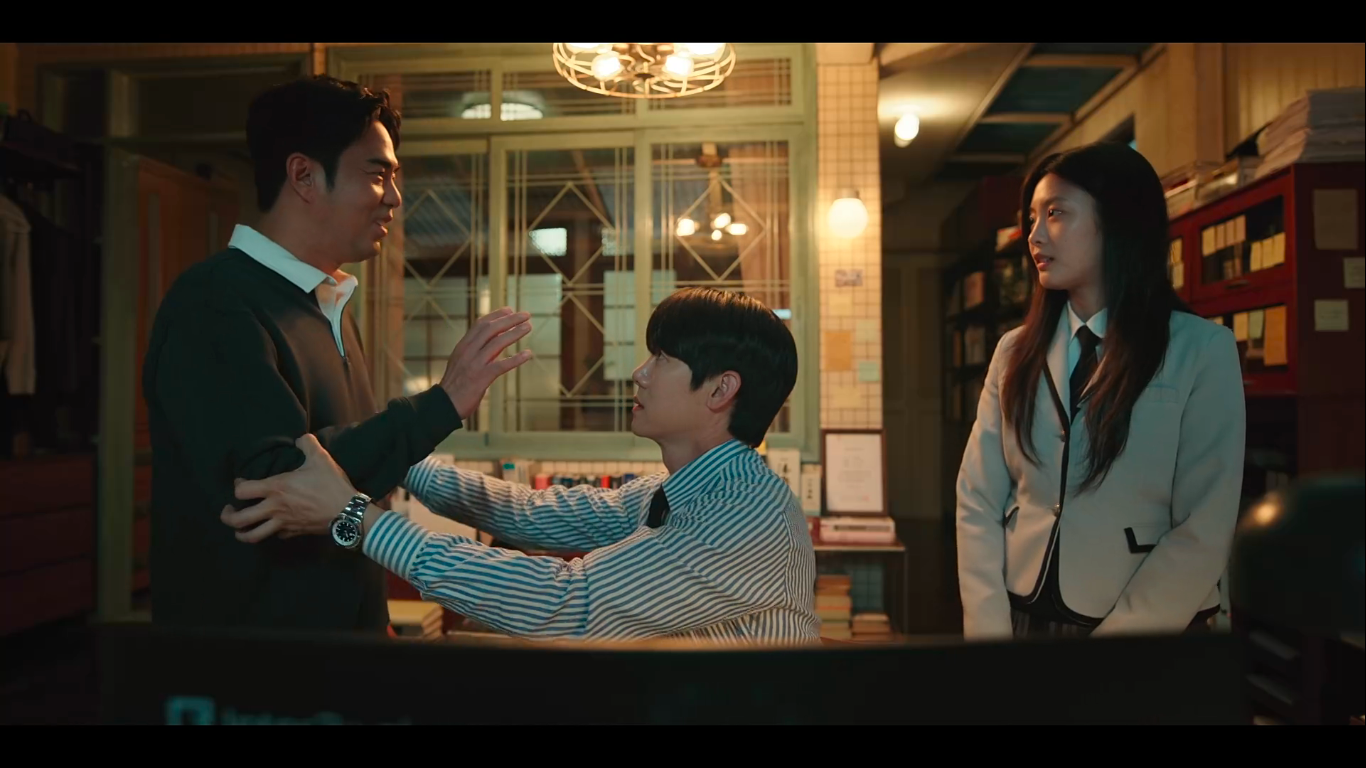
Following a hard-won victory in a medical malpractice case, Shin I Rang might have hoped for a moment of peace. However, the world of the spectral offers no such respite. His office soon becomes the unexpected haunt of a new client: a spirited high school girl ghost. To I Rang’s perpetual dismay, this young phantom doesn’t just seek his legal expertise to uncover her identity and the truth behind her death; she frequently possesses him. This uncontrolled possession trait leads to some of the series’ most genuinely hilarious and endearing moments. Yoo Yeon Seok’s portrayal of I Rang channeling a teenage girl is nothing short of brilliant. The stark contrast between his usual stoic, often bewildered demeanor and the sudden emergence of a bubbly, K-pop-loving adolescent within him creates a rich vein of physical comedy. Viewers are treated to the sight of a fully grown man, previously seen as a formidable former mobster in action sequences, now enthusiastically dancing to girl group anthems. His movements, facial expressions, and even his speech patterns shift dramatically, making him appear endearingly ridiculous. This comedic device not only provides much-needed breaks from the heavier legal battles but also serves as a testament to Yoo Yeon Seok’s exceptional acting range. His ability to seamlessly switch personalities, embodying the unique quirks of each ghost he encounters, is a highlight, ensuring that every possession is a fresh and amusing experience.
A Family Affair: I Rang’s Unconventional Support System
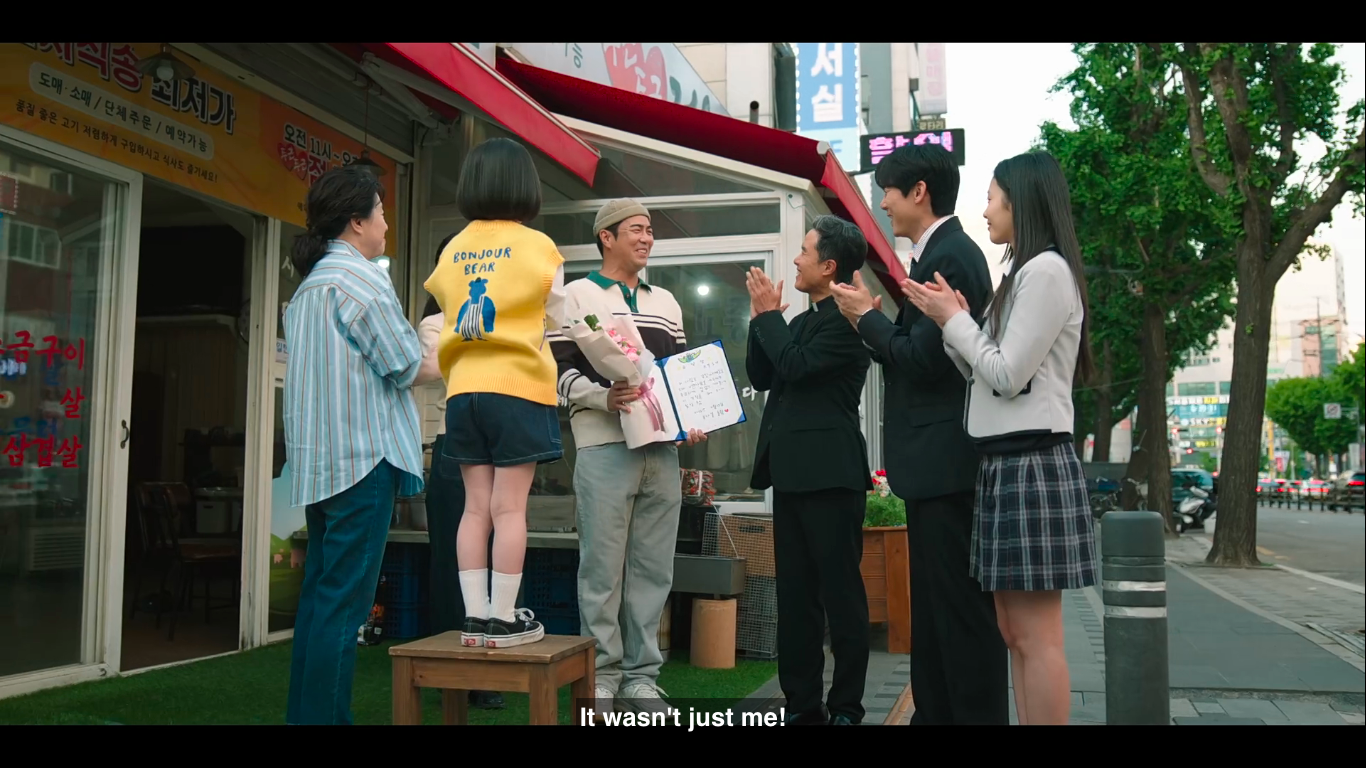
I Rang’s inability to fully conceal his ghost-seeing abilities means his rather dramatic mood swings don’t go unnoticed by his family for long. This revelation, rather than causing outright alarm, gradually transforms his household into an unexpected, albeit often terrified, support system. His brother-in-law, Yoon Bong Soo, brought to life by the talented Jeon Seok Ho, is initially far from nonchalant about the presence of the supernatural. His reactions, a delightful mix of abject fear and grudging loyalty, make him an instant source of comic relief. Paired with the priest, this unlikely trio forms I Rang’s burgeoning “ghost-hunting” and “justice-seeking” squad. Bong Soo, despite being arguably more of a scaredy-cat than I Rang himself, proves to be an invaluable, if comically inept, partner. His exaggerated expressions of terror and his unwavering, if trembling, presence by I Rang’s side underscore the show’s humorous undertones. The writing brilliantly utilizes Bong Soo to inject levity into tense situations, showing that even the most frightening circumstances can be navigated with a dash of humor and a loyal, if terrified, friend.
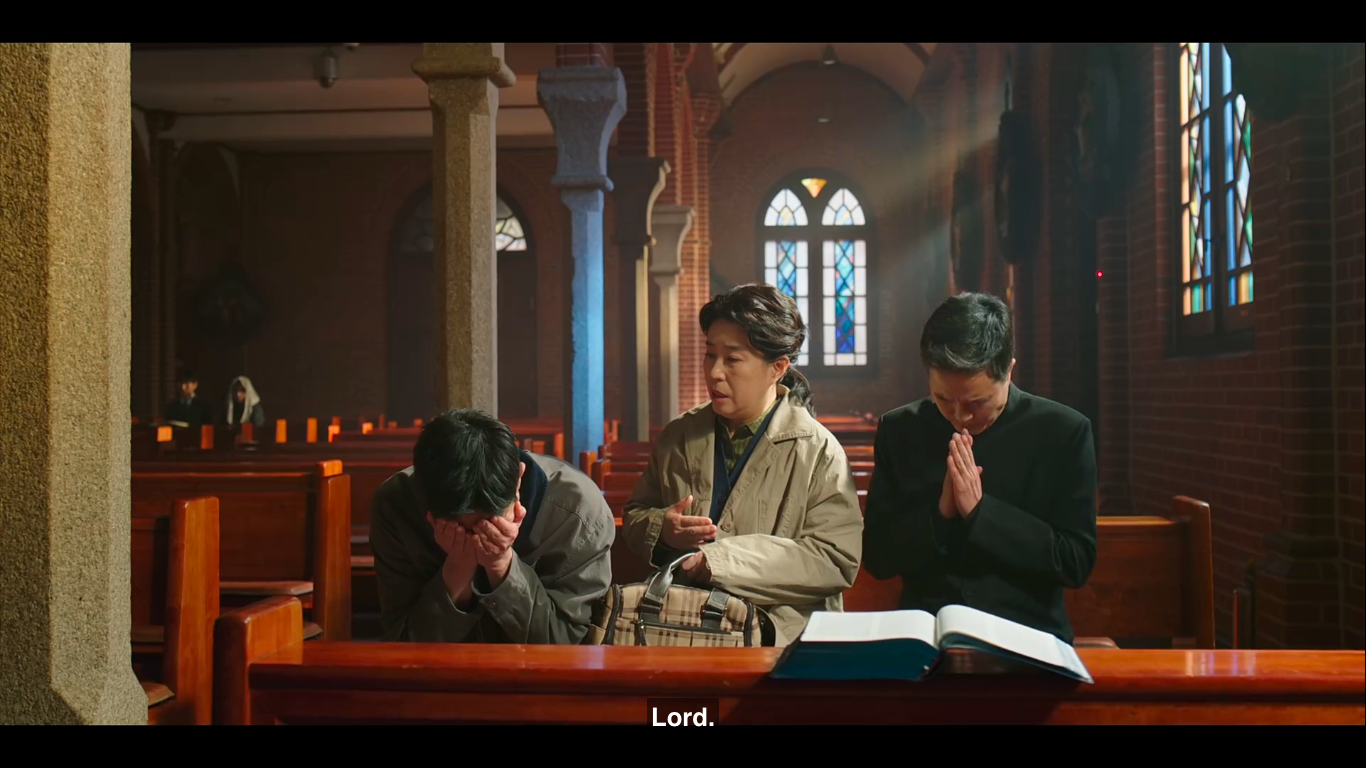
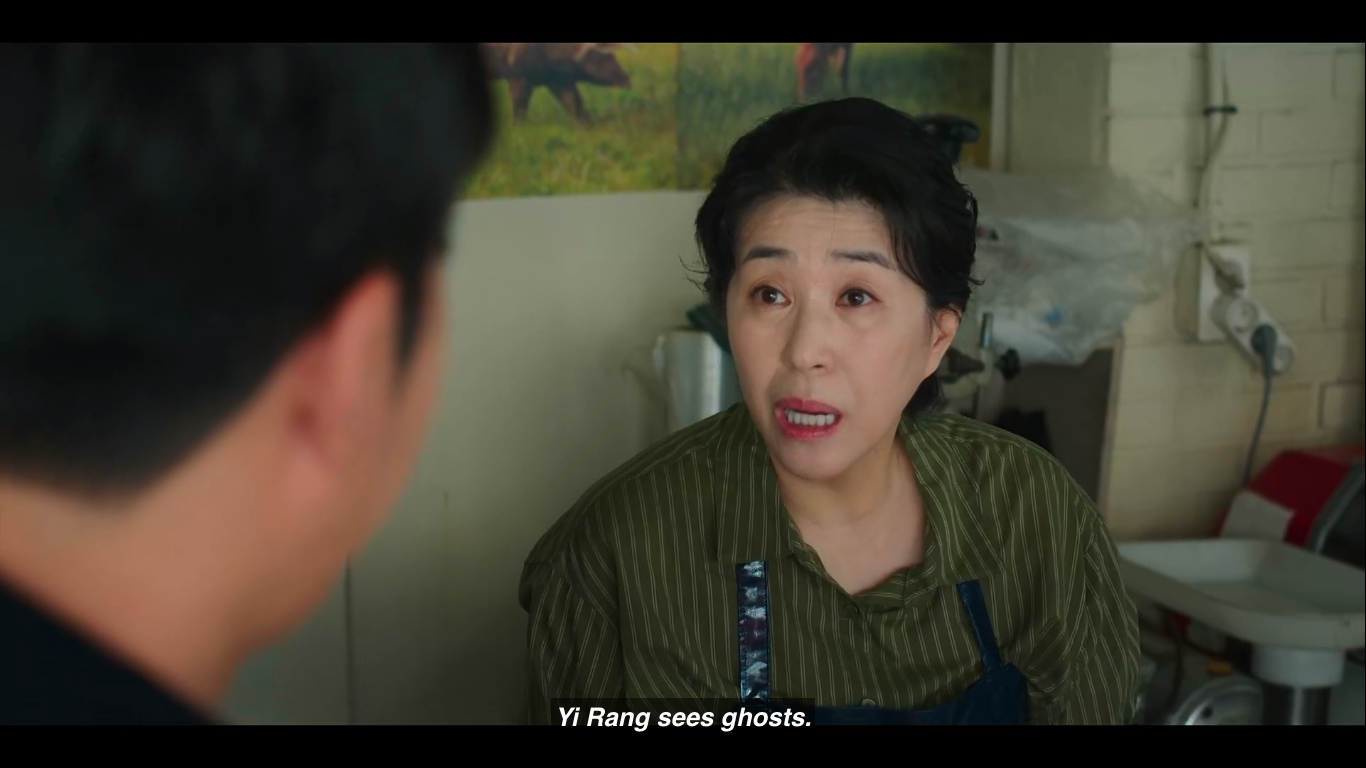
Meanwhile, I Rang’s mother, Park Kyung Hwa, portrayed with understated warmth by veteran actress Kim Mi Kyung, acts as a crucial, if silent, pillar of support. She not only safeguards his extraordinary secret but actively participates in his cases, offering practical assistance. Her maternal instinct shines through when she helps her son cook for the forlorn ghost girl, hoping a comforting meal might lift her spirits when leads are scarce. This seemingly simple act highlights her deep love and acceptance of her “goofball” son, even as he navigates the complexities of the supernatural. It’s hinted that her unwavering support might stem from a deeper desire to understand the connection between her husband’s violent death and I Rang’s mysterious gift, adding an intriguing layer to her character. This blend of familial warmth, reluctant heroism, and everyday absurdity elevates the drama beyond a mere procedural, grounding its fantastical elements in relatable human relationships.
Heartfelt Depths: Emotional Resonance
The Tragic Life and Unfulfilled Dreams of Kim Soo Ah
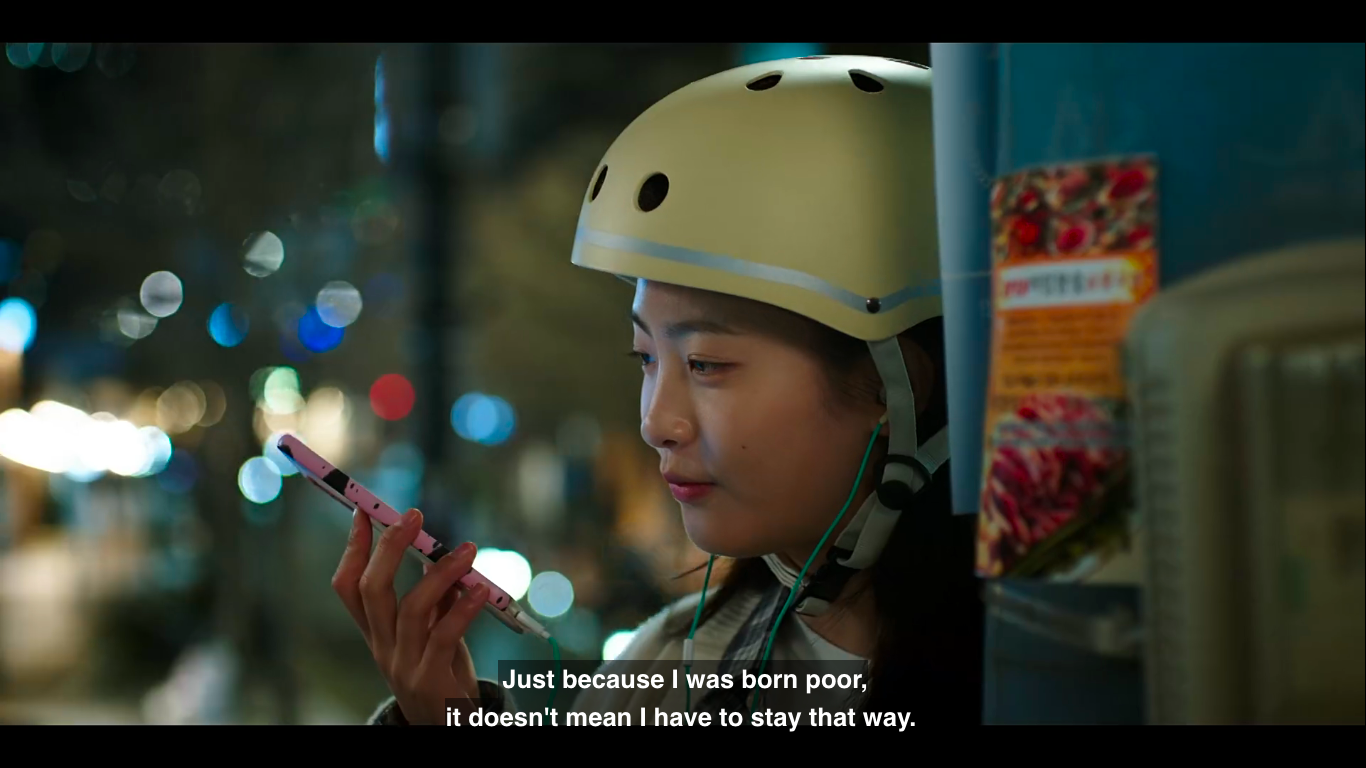
The narrative shifts gears dramatically as I Rang, serendipitously, uncovers a crucial clue to the teenage ghost’s identity among his own family’s belongings. The laughs subside, giving way to a profound sense of sorrow as the tragic story of Kim Soo Ah, played in a special appearance by Oh Ye Ju, unfolds. Soo Ah was not just any high school girl; she was a popular, immensely talented K-pop trainee on the cusp of realizing her lifelong dream of debuting in a girl group. Her journey was far from easy. Abandoned by her mother at a tender age, she was raised by her loving grandmother, who, despite her best efforts, could not provide a life of luxury. Yet, from these humble beginnings, Soo Ah blossomed into a resilient young woman, her spirit fueled by an unyielding passion for music. Her ambition wasn’t solely for personal fame; she yearned to provide a better life for her beloved grandmother. This deeply moving backstory paints a picture of a dedicated, hopeful individual whose dreams were cruelly cut short just as they were within reach.

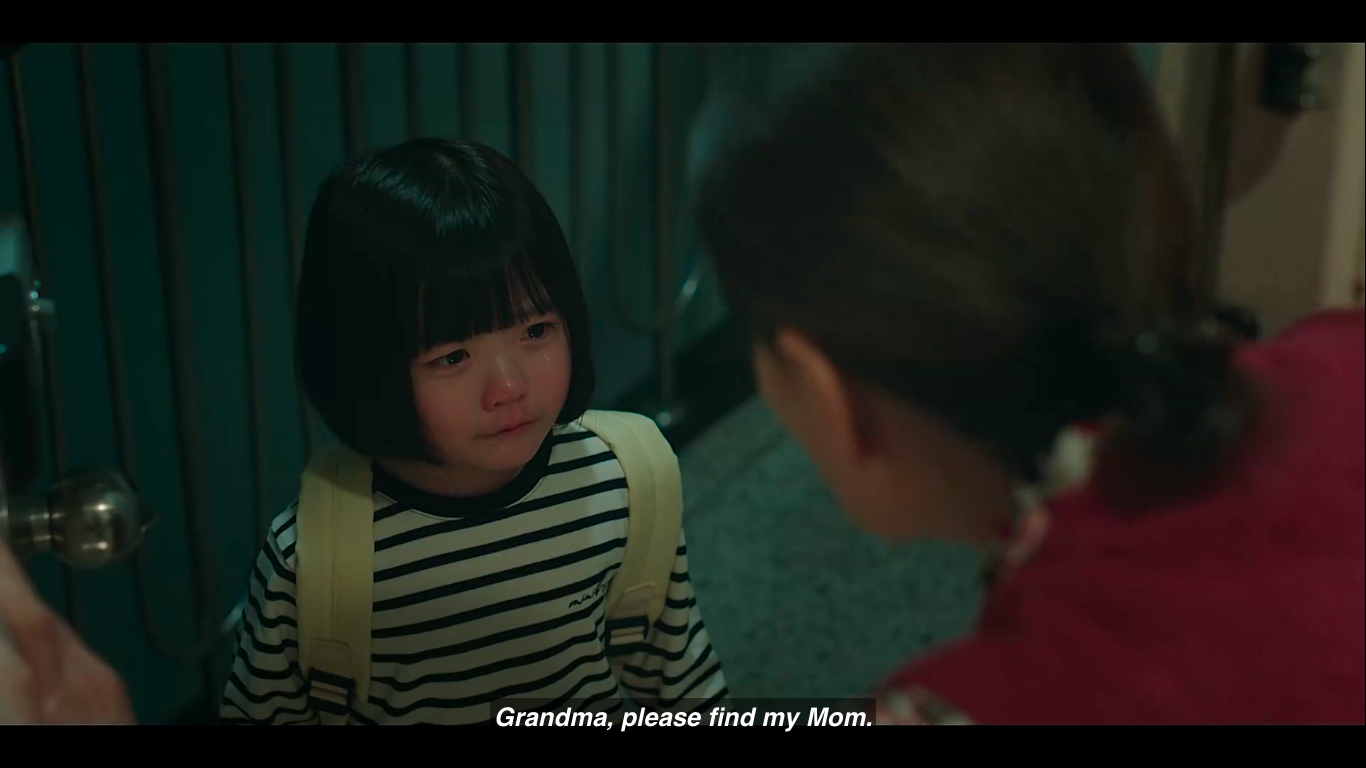
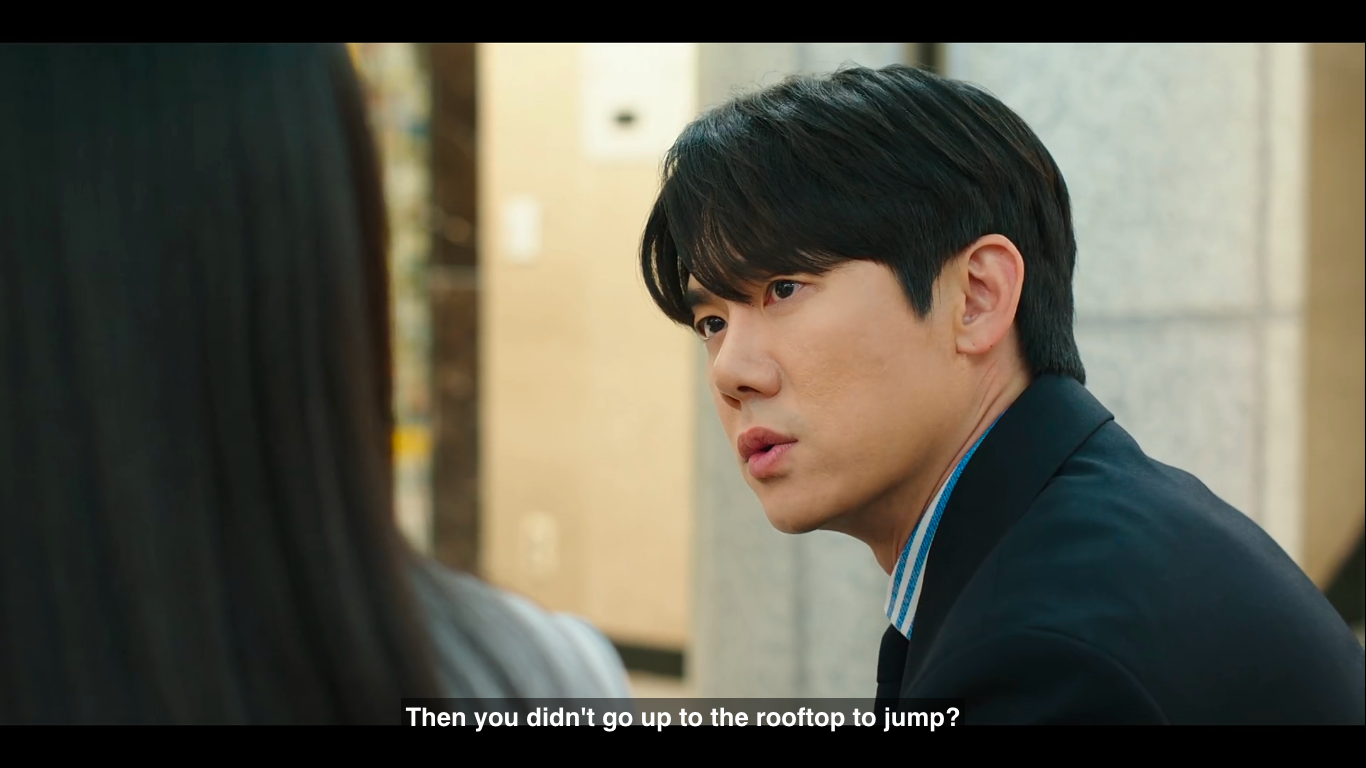
The injustice of her premature death is compounded by the fact that it was deliberately framed as a suicide. This cruel manipulation adds another layer of heartbreak to an already devastating situation. For a young woman who fought so hard for her dreams, to have her memory tainted by such a false narrative is profoundly unfair. It is precisely this profound injustice that drives I Rang. He understands that while he cannot bring Soo Ah back, he can fight for her truth, offering her the peace and closure that was denied to her in life. This case underscores the drama’s central theme: providing a voice for those who can no longer speak for themselves, ensuring their stories are heard and their spirits can finally rest.
The Betrayal: Unmasking the Murderer
As I Rang delves deeper into Soo Ah’s case, his path once again crosses with that of Han Na Hyun, played by Esom. Na Hyun, a prosecutor known for her ambitious and often morally ambiguous approach, finds herself working on behalf of Soo Ah’s former agency. This assignment comes after her demotion by Yang Do Kyung (Kim Kyung Nam), highlighting her complex position within the legal system. Na Hyun’s character continues to intrigue viewers; she is neither a clear antagonist nor a straightforward ally, instead operating within her own intricate ethical framework. However, the emotional weight of Soo Ah’s case resonates with Na Hyun, stirring painful memories from her own past. This personal connection prompts her to reluctantly assist I Rang, albeit with a promise for him to reveal his extraordinary secret later. Her involvement adds another layer of depth to the investigation, demonstrating how shared human experiences can bridge divides, even between those on opposing sides of the law.
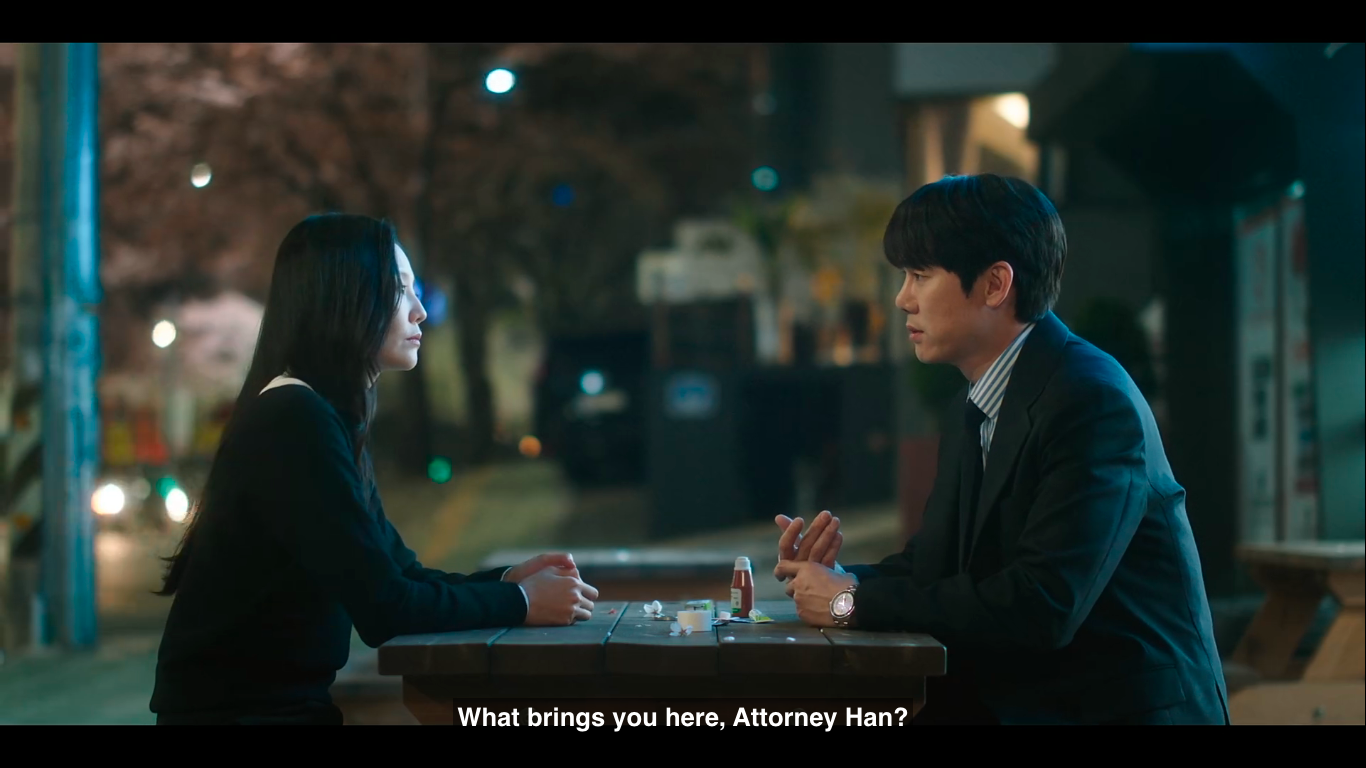
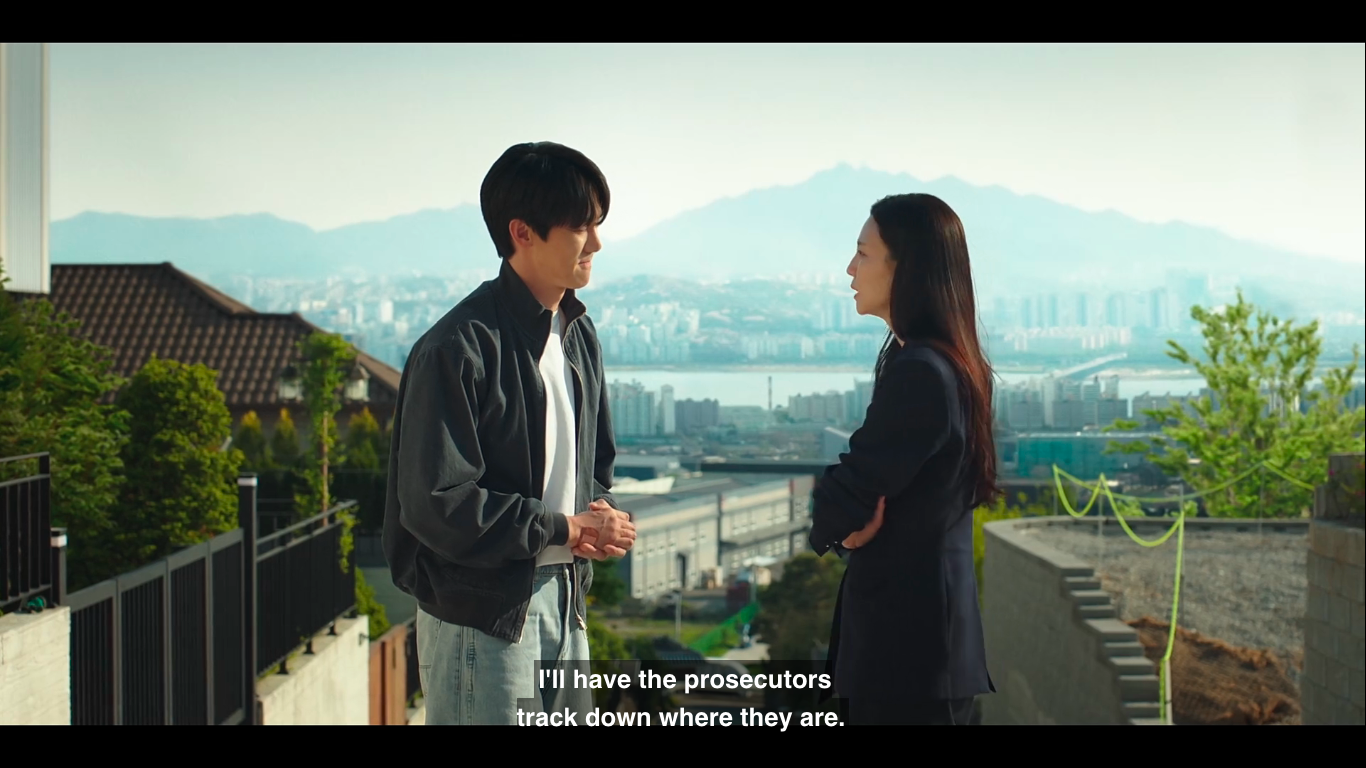
Through their combined efforts, a shocking truth comes to light: the perpetrator behind Soo Ah’s murder is none other than one of her fellow trainees, a person she considered her closest friend. This revelation is a gut punch, echoing the
You May Also Like


More From Author
A New Era of Cultural Exchange: TaiwanPlus and GoldenTV Partner to Bring Authentic Taiwanese Voices to American Viewers