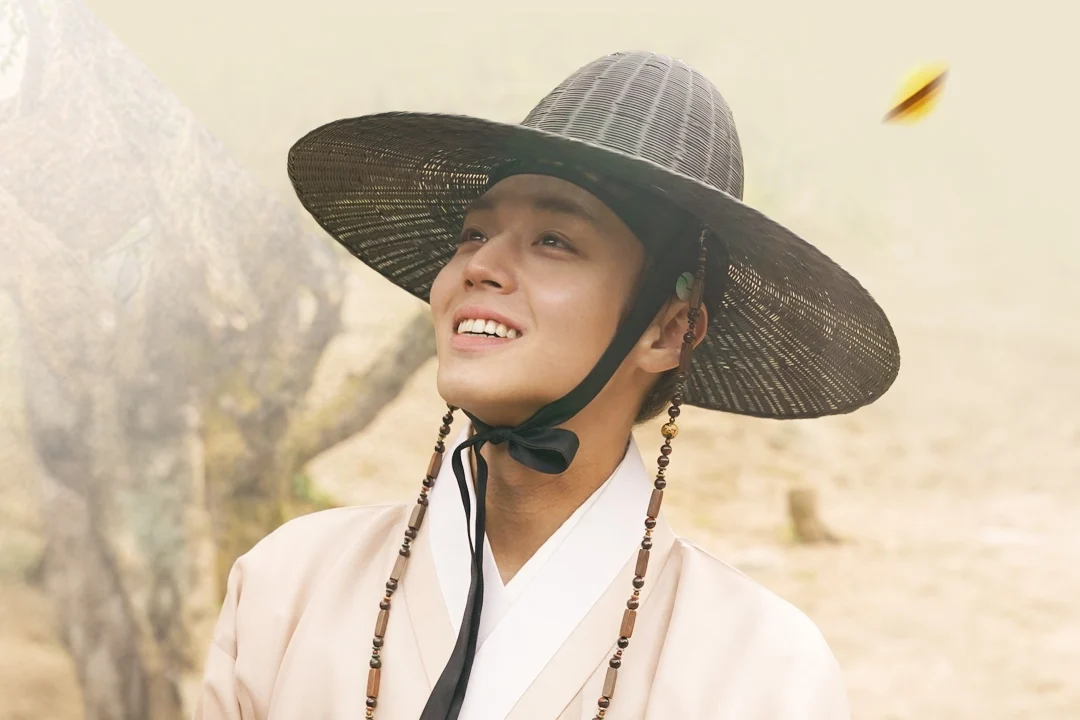
The Crown Jewel of Korean Cinema: ‘The King’s Warden’ Breaks Records and Enters the Elite Box Office Ranks
In a testament to the enduring power of historical epics and compelling storytelling, “The King’s Warden” has dramatically reshaped the landscape of Korean cinema, soaring past formidable blockbusters to secure its place as the third most-attended Korean film of all time. This monumental achievement, announced on March 22 KST by the Korean Film Council, marks a significant moment for the industry, highlighting the film’s profound resonance with audiences nationwide and beyond. The cinematic triumph continues to captivate, drawing a remarkable 346,555 moviegoers on March 21 alone, once again dominating the daily box office and signaling its persistent popularity weeks into its run.
The latest figures paint a vivid picture of “The King’s Warden’s” staggering success. With its daily attendance pushing its cumulative total to an astonishing 14,447,740 moviegoers, the film has cemented its legacy in the annals of Korean film history. This incredible turnout has translated into a colossal cumulative revenue of 139,466,330,000 won, approximately $92.65 million USD, solidifying its status as a major financial success. The numbers not only reflect ticket sales but also the collective cultural embrace of a narrative that has clearly struck a chord deep within the Korean psyche.
This meteoric rise has seen “The King’s Warden” elegantly surpass two titans of Korean cinema: “Along with the Gods: The Two Worlds” and “Ode to My Father.” These films, themselves celebrated for their immense popularity and critical acclaim, previously held sway over the second and third positions, respectively, showcasing the competitive and dynamic nature of the Korean box office. “Along with the Gods: The Two Worlds,” a fantasy epic known for its groundbreaking visual effects and star-studded cast, captivated over 14.41 million viewers, while “Ode to My Father,” a poignant drama spanning decades of Korean history, moved 14.26 million. “The King’s Warden’s” ability to overtake such beloved and well-established films underscores its exceptional quality and broad appeal.
Now, only two films stand ahead in this prestigious ranking, representing the pinnacles of Korean cinematic achievement. At the summit remains “The Admiral: Roaring Currents,” a naval war epic released in 2014, which holds the seemingly unassailable record of 17.61 million moviegoers. Its breathtaking scale, patriotic fervor, and a legendary performance by Choi Min-sik made it an unprecedented cultural phenomenon. Following closely is “Extreme Job,” a 2019 comedy-action film that delighted 16.26 million viewers with its unique premise and uproarious humor. These two films have long represented the gold standard for box office performance in Korea, and “The King’s Warden” is now firmly positioned to challenge these benchmarks, fueling speculation about its potential to climb even higher.
The Allure of the Sageuk: Why Historical Dramas Resonate
The success of “The King’s Warden” is not an isolated incident but rather a powerful continuation of the “sageuk” tradition – historical dramas that have long been a cornerstone of Korean storytelling across film and television. These narratives, often steeped in rich historical detail and dramatic interpretations of real events, offer audiences a window into Korea’s storied past, exploring themes of loyalty, power, betrayal, sacrifice, and the human spirit against grand backdrops. From the Joseon Dynasty’s intricate court politics to heroic battles and personal struggles, sageuks provide both educational insight and thrilling entertainment.
The Korean film industry itself has experienced a global renaissance, with K-content captivating international audiences through platforms like Netflix and widespread critical acclaim at prestigious film festivals. Domestically, the box office is fiercely competitive, driven by a highly discerning audience and a robust production ecosystem. A film’s ability to achieve such high attendance figures speaks volumes not only about its artistic merit but also its ability to tap into collective emotions and cultural narratives. “The King’s Warden” emerges from this vibrant industry, demonstrating a mastery of the historical drama genre that continues to enthrall.
A Tale of Betrayal and Unlikely Bonds: Diving into “The King’s Warden”
At its heart, “The King’s Warden” transports viewers to the tumultuous year of 1457, a pivotal period in the Joseon Dynasty. The film masterfully unpacks the tragic story of King Danjong, the sixth monarch of Joseon, a young king thrust into power only to be brutally betrayed and dethroned by his ambitious uncle. This act of usurpation, a dark stain on Korean history, sets the stage for a poignant and emotionally charged narrative. Danjong’s subsequent exile to the remote and desolate Cheongnyeongpo in Gangwon Province marks the beginning of his harrowing ordeal, stripped of his crown, his power, and his freedom.
It is in this isolated place of exile that the film introduces its other central figure, Eom Heung Do, the stoic yet compassionate village chief. Their paths, seemingly disparate, converge in an unexpected and deeply moving bond. The film expertly explores the complexities of their relationship: a deposed king, vulnerable and alone, finding solace and an unlikely ally in a commoner. This powerful dynamic forms the emotional core of the narrative, highlighting themes of human connection, resilience in adversity, and the quiet dignity found even in the face of immense suffering. The story is a poignant exploration of duty, honor, and the sacrifices made for both power and principle, resonating deeply with audiences who appreciate narratives that blend historical grandeur with intimate human drama.
Star Power and Compelling Performances: The Cast That Captivated
The profound impact of “The King’s Warden” owes much to its exceptional cast, whose nuanced performances bring the historical figures and their emotional struggles vividly to life. The film features two actors who, despite their differing career paths and styles, unite to create an unforgettable cinematic experience.
Park Ji Hoon: From Idol to Acclaimed Royal
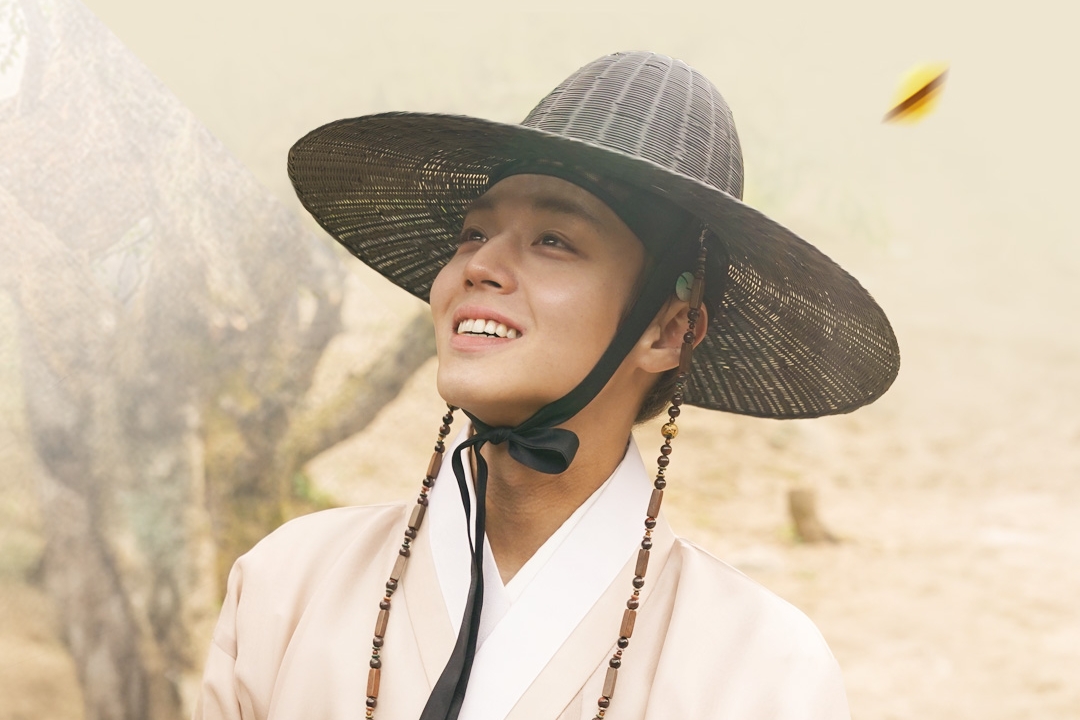
Portraying the ill-fated King Danjong is Park Ji Hoon, an artist whose journey from a beloved K-pop idol to a critically acclaimed actor has been nothing short of remarkable. Initially rising to fame as a member of the sensation Wanna One, Park Ji Hoon has meticulously carved out a significant acting career, showcasing a versatility that continues to impress. His portrayal of King Danjong is a masterclass in conveying vulnerability, regal dignity, and profound sorrow. For a character whose fate is marked by tragedy and injustice, Park Ji Hoon delivers a performance that elicits deep empathy from the audience, capturing the essence of a young monarch grappling with an unimaginable betrayal and the loss of his world. His ability to convey such complex emotions, often with subtle expressions and controlled intensity, demonstrates a maturity in his craft that transcends his idol roots. This role serves as a powerful testament to his artistic growth and his commitment to challenging, dramatic roles.
Beyond “The King’s Warden,” Park Ji Hoon has continued to expand his acting repertoire. Viewers interested in his diverse talent can witness his engaging performance in the fantasy romance drama, “Love Song for Illusion.” In this series, he navigates a dual role, portraying both a crown prince with a hidden personality and a fashion designer, showcasing his ability to switch between vastly different personas and genres, further cementing his status as a multifaceted performer.
Yoo Hae Jin: The Everyman Hero’s Enduring Appeal
Standing opposite Park Ji Hoon, yet forming an indispensable bond, is veteran actor Yoo Hae Jin as Eom Heung Do, the village chief. Yoo Hae Jin is a revered figure in Korean cinema, celebrated for his incredible range, authentic portrayals, and an innate ability to connect with audiences across various genres. Often lauded for his “everyman” charm, he brings a grounded realism and profound humanity to his characters, making them instantly relatable and deeply memorable. In “The King’s Warden,” his performance as Eom Heung Do is a testament to his understated power. He embodies the quiet strength, loyalty, and moral fortitude of a man who, despite his humble position, offers unwavering support and companionship to a deposed king.
Yoo Hae Jin’s ability to convey deep emotion and strong character through subtle gestures and expressions is a hallmark of his acting style. His presence often provides a compelling anchor in any narrative, and in this film, he serves as a crucial emotional counterpoint to King Danjong’s despair. His long and illustrious career is dotted with memorable roles in critically acclaimed films and box office hits, spanning comedies, dramas, and action thrillers. His consistent delivery of powerful, authentic performances has earned him a reputation as one of Korea’s most reliable and beloved actors.
For those eager to explore more of Yoo Hae Jin’s diverse talents, his work in films like “Big Deal” offers another glimpse into his comedic genius and ability to carry a film with his unique brand of charm and wit. His filmography is a rich tapestry of compelling characters, each brought to life with his signature blend of honesty and charisma.
Beyond the Numbers: The Cultural Impact and Future Outlook
The success of “The King’s Warden” extends far beyond its impressive box office figures. It signifies a collective embrace of Korean history and a continued appreciation for high-quality domestic productions. Films like this serve as cultural touchstones, sparking conversations about historical events, moral dilemmas, and the timeless struggle between good and evil. For a nation with a deep respect for its heritage, a film that brings a significant historical tragedy to life with such emotional depth resonates profoundly, connecting generations through shared stories and reflections on the past.
The film’s performance also positions it in an elite category, inviting comparisons with the two films that still outrank it: “The Admiral: Roaring Currents” and “Extreme Job.” While “The Admiral” was a spectacle of historical warfare and national pride, and “Extreme Job” a comedic sensation, “The King’s Warden” finds its strength in its poignant human drama and historical gravitas. Its ability to compete with these genre behemoths underscores the universal appeal of its narrative and the exceptional craftsmanship of its production. The question now on everyone’s minds is whether “The King’s Warden” has the momentum to challenge “Extreme Job’s” 16.26 million record or even make a run at “The Admiral: Roaring Currents'” unprecedented 17.61 million. The sustained daily attendance suggests that its journey may not be over, and its ultimate position in Korean cinematic history remains a captivating storyline to watch unfold.
Congratulations are undoubtedly in order for the entire cast and crew of “The King’s Warden.” Their dedication, talent, and vision have culminated in a film that not only entertains but also enriches, leaving an indelible mark on Korean culture and captivating the hearts of millions.
Discover more compelling stories and performances from the stars of “The King’s Warden” below:
Explore More of Park Ji Hoon’s Work:
Discover More from Yoo Hae Jin: