“The King’s Warden” Crowned a Cinematic Giant: A Historic Journey to 13 Million Viewers and Beyond
In a stunning display of cinematic power and profound storytelling, the historical epic “The King’s Warden” has officially etched its name into the annals of South Korean film history, captivating an astonishing 13 million moviegoers and solidifying its status as one of the nation’s most monumental box office triumphs. This remarkable achievement, confirmed by the Korean Film Council as of 9 a.m. KST on March 15, underscores the film’s immense appeal and its ability to deeply resonate with audiences across the country.
Released nationwide on February 4, “The King’s Warden” embarked on a meteoric rise, achieving this staggering milestone in less than 40 days. Such a rapid accumulation of viewers is a rare feat, a testament to its compelling narrative, stellar performances, and the powerful word-of-mouth momentum that propelled it to unprecedented heights. It’s a clear indication that in an era dominated by diverse entertainment options, a well-crafted story steeped in history still holds the power to draw millions into the shared experience of the cinema.
A Phenomenal Ascent to the Elite 13 Million Club
The journey to 13 million admissions is far more than just a number; it represents a cultural touchstone, placing “The King’s Warden” in an exceptionally exclusive echelon of Korean cinema. This grand historical drama is now only the eighth Korean film ever to cross this coveted threshold, joining a pantheon of beloved and critically acclaimed movies that have defined the industry over the past two decades. The films preceding it are a roll call of legendary titles, each a landmark in its own right: Bong Joon-ho’s monster hit “The Host” (2006), the naval epic “The Admiral: Roaring Currents” (2014), the poignant “Ode to My Father” (2014), the action-comedy “Veteran” (2015), the fantasy blockbuster “Along with the Gods: The Two Worlds” (2017), the record-breaking comedy “Extreme Job” (2019), and the recent political thriller “12.12: The Day” (2023).
This achievement is particularly significant as it positions “The King’s Warden” among a diverse collection of genres, yet highlights the enduring appeal of historical narratives. While comedies, action films, and fantasy epics have found their place in the 13 Million Club, historical dramas, especially those rooted in poignant Korean history, consistently demonstrate their ability to capture the national imagination. The speed at which “The King’s Warden” reached this milestone speaks volumes about its immediate impact and the strong emotional connection audiences formed with its characters and themes. In a competitive market, a rapid climb to such figures often signifies not just a successful marketing campaign, but a deeply resonant story that inspires repeat viewings and fervent recommendations.
Unveiling a Tragic History: The Narrative Core of “The King’s Warden”
At its heart, “The King’s Warden” delves into a tumultuous chapter of Korean history, transporting viewers back to the year 1457, during the early Joseon Dynasty. The film masterfully unpacks the deeply tragic and politically charged narrative of King Danjong, the sixth monarch of Joseon. Portrayed with compelling nuance by actor Park Ji Hoon, Danjong’s story is one of profound betrayal and devastating loss. Ascending to the throne at a tender age, he found himself vulnerable to the machinations of his ambitious uncle, Prince Suyang, who ultimately usurped his power, dethroning him and exiling him to the remote and desolate Cheongnyeongpo in Gangwon Province. This period of history is often remembered for its profound human cost and the stark realities of power struggles within the royal court.
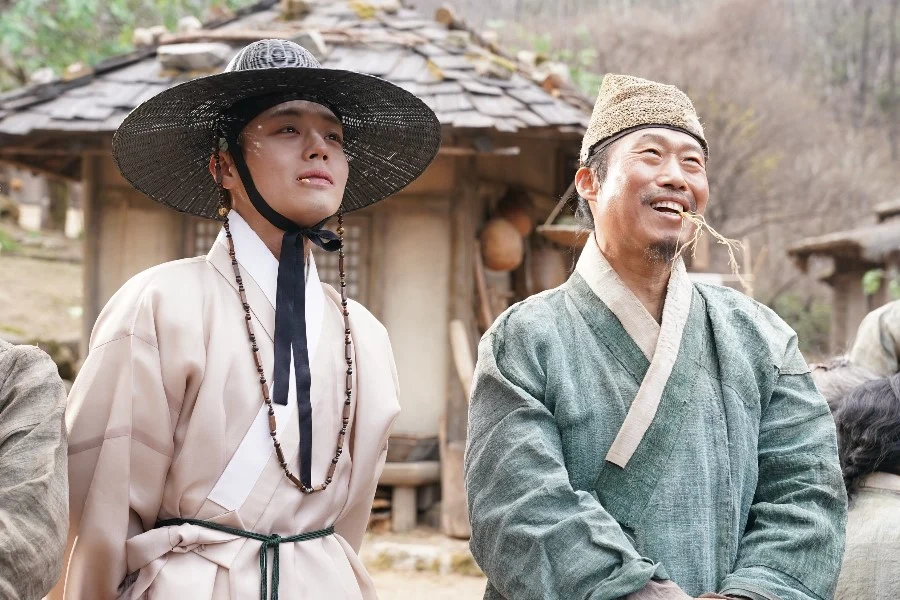
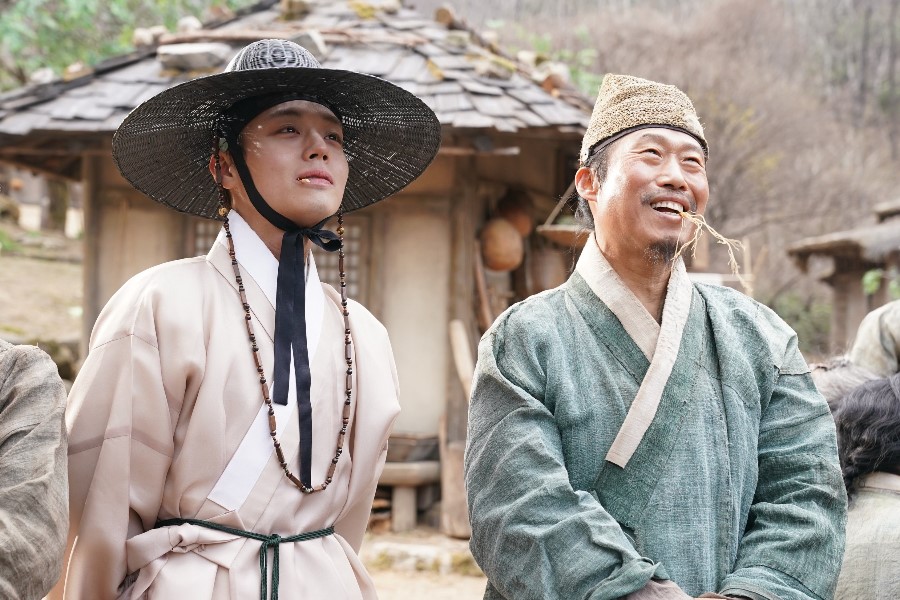
It is in this isolated place of banishment that the film truly finds its emotional anchor. Far from the grandeur and intrigue of the palace, King Danjong encounters Eom Heung Do, the unassuming yet steadfast village chief, brought to life with incredible depth by the veteran actor Yoo Hae Jin. This unlikely meeting forms the crucible of the story, as an unexpected and profound bond blossoms between the young, deposed king and the grounded, resilient commoner. Their connection transcends social strata and political turmoil, becoming a powerful testament to human empathy, loyalty, and the enduring spirit of defiance against injustice. This relationship forms the core emotional arc of the film, captivating audiences with its sincerity and the quiet strength it portrays amidst overwhelming adversity.
The film expertly weaves themes of loyalty, sacrifice, the burden of leadership, and the profound impact of historical events on individual lives. For a women-focused audience, the narrative offers rich layers of emotional depth, exploring the vulnerabilities of power, the strength found in unexpected alliances, and the resilience of the human spirit in the face of insurmountable odds. King Danjong’s journey from a naive ruler to a figure grappling with his fate, and Eom Heung Do’s unwavering compassion, provide compelling character studies that resonate far beyond the historical setting.
The Brilliance Behind the Box Office: Park Ji Hoon and Yoo Hae Jin
A significant portion of “The King’s Warden’s” success can be attributed to the captivating performances of its lead actors, who breathe life into their historical counterparts with remarkable authenticity. Park Ji Hoon, widely recognized for his successful transition from K-pop idol to a formidable actor, delivers a performance that critics and audiences alike have lauded as a career-defining moment. His portrayal of King Danjong is a delicate balance of youthful innocence, regal dignity, and heart-wrenching vulnerability. Ji Hoon masterfully conveys the immense pressure and sorrow weighing upon the young monarch, drawing viewers into Danjong’s tragic fate and making his struggle deeply personal. This role showcases his evolving range and solidifies his position as a serious dramatic actor, appealing to a broad audience, including his devoted fanbase and new admirers impressed by his dramatic depth.
Complementing Ji Hoon’s poignant performance is the incomparable Yoo Hae Jin, a veteran actor celebrated for his versatility and his ability to inhabit diverse roles with unmatched realism. As Eom Heung Do, the village chief, Yoo Hae Jin brings his signature blend of groundedness, wit, and profound humanity to the screen. His character serves as both a protector and a confidant to the exiled king, offering a beacon of hope and practical wisdom in Danjong’s darkest hour. The chemistry between the two actors is palpable and serves as the emotional engine of the film, crafting a relationship that feels authentic and deeply moving. Yoo Hae Jin’s presence guarantees a certain level of gravitas and relatability, making the historical narrative accessible and emotionally resonant for all viewers.
The synergy between Park Ji Hoon’s rising star power and Yoo Hae Jin’s seasoned expertise creates a dynamic duo that anchors the film’s complex emotional landscape. Their contrasting energies — the youthful despair of a king and the quiet strength of a commoner — are expertly woven together, highlighting the universal themes of human connection and loyalty that transcend societal boundaries. This powerful combination has undoubtedly been a key factor in the film’s widespread appeal and critical acclaim, particularly among audiences who appreciate nuanced character development and powerful emotional arcs.
Crafting an Epic: Direction, Production, and Cultural Resonance
Beyond its compelling narrative and stellar cast, “The King’s Warden” stands as a testament to exceptional filmmaking. The director’s vision, coupled with meticulous production design, stunning cinematography, and an evocative musical score, transports audiences directly into the 15th-century Joseon Dynasty. Every detail, from the authentic period costumes to the historically accurate sets and the breathtaking natural landscapes of Cheongnyeongpo, contributes to an immersive cinematic experience. The film doesn’t just tell a story; it allows viewers to feel the chill of exile, the weight of a crown, and the warmth of an unexpected friendship.
The success of “The King’s Warden” also speaks to the enduring appeal and cultural significance of historical dramas in South Korea. These films often serve as a mirror, reflecting on the nation’s past to understand its present, exploring themes of justice, power, and national identity. The story of King Danjong, a figure of profound sorrow and historical debate, continues to fascinate, offering rich material for dramatic interpretation. The film’s ability to bring this historical figure to life with such emotional impact has resonated deeply, fostering conversations about heritage, sacrifice, and the human condition.
In a post-pandemic landscape, where the theatrical experience faces constant challenges, the triumph of “The King’s Warden” is a beacon of hope for the film industry. It proves that compelling storytelling, combined with strong performances and high production values, can still draw massive crowds to cinemas. Its success is not just a win for the cast and crew, but for Korean cinema as a whole, reaffirming its vibrancy, creativity, and ability to produce globally competitive content that captivates and moves millions.
The journey of “The King’s Warden” from its premiere to becoming a monumental box office hit is a remarkable narrative in itself. It is a story of a film that captured the hearts and minds of a nation, reminding everyone of the power of cinema to educate, entertain, and evoke profound emotions. The cast and crew have delivered a masterpiece that will undoubtedly be remembered as a significant contribution to Korean cinematic history.
Congratulations are profoundly extended to the entire team behind “The King’s Warden” for this extraordinary accomplishment. Their dedication and artistry have not only delivered a cinematic gem but also solidified its place among the most celebrated films in Korean history. For those captivated by the talents of its lead actors, there are further opportunities to delve into their impressive filmographies.