


In a significant move to bolster national resilience, the Japanese government announced Friday its commitment to developing a comprehensive strategy by next summer aimed at safeguarding imports of critical resources, including vital liquefied natural gas (LNG) and essential wheat supplies. This pledge was made during the inaugural meeting of a dedicated task force, bringing together key ministerial figures to confront growing vulnerabilities in the nation’s import-dependent economy.
Japan’s deep reliance on international markets for its energy and food needs has cast a long shadow of concern, particularly in the face of escalating global geopolitical tensions and potential supply chain disruptions. The recent meeting underscored a palpable urgency within the administration to implement proactive measures that can mitigate the impact of any future overseas crises. Among the proposed solutions being explored are the strategic diversification of supply routes and the enhancement of national stockpiles, ensuring a buffer against unforeseen shortages.
A critical component of this national security initiative is the stabilization and expansion of Japan’s maritime transport network. Given that approximately 99.5 percent of the nation’s total trade volume traverses the seas, the reliability of these routes is paramount. The ministerial gathering, spearheaded by Chief Cabinet Secretary Minoru Kihara, delved into strategies designed to fortify this vital artery of commerce. Kihara, addressing the press following the meeting, articulated the administration’s ambitious timeline and overarching objective: “With next summer as a target, we aim to compile policy guidelines to strategically support the foundations of people’s livelihoods.”
He further emphasized the hands-on approach being adopted, stating that he had directed relevant officials across various sectors to “proceed with concrete measures.” This directive signifies a shift from broad policy pronouncements to the development and implementation of tangible actions. “The government as a whole will thoroughly address the matter,” Kihara assured, highlighting a unified and determined governmental response to these pressing economic security concerns.
The government’s stark warning about the cascading effects of potential maritime route blockades paints a sobering picture. Beyond immediate shortages of energy and food, such disruptions could swiftly extend to indispensable items like medicines and sanitary products, posing severe risks to the nation’s healthcare services and overall public well-being. This foresight stems from a recognition that in an increasingly interconnected and volatile world, the security of supply chains is intrinsically linked to national security and the stability of daily life.
The commitment to securing essential resources for economic continuity during emergencies was previously articulated in the government’s 2022 National Security Strategy. However, observers have noted that concrete actions have been slow to materialize, prompting the current accelerated focus. The appointment of Sanae Takaichi, a prominent figure known for her strong stance on national defense, as the Minister of Economic Security for a significant period leading up to October, likely contributed to the increased momentum in this area. Her prior experience in this critical portfolio is expected to lend valuable insight and drive to the current initiatives.
The impetus for this intensified focus on import security can be traced to a confluence of global events. The COVID-19 pandemic exposed the fragility of global supply chains, leading to widespread shortages and price hikes for a multitude of goods. More recently, the ongoing conflict in Ukraine has sent shockwaves through energy markets, underscoring the risks associated with over-reliance on a limited number of suppliers. For an island nation like Japan, which imports the vast majority of its energy resources and a significant portion of its food, these global volatilities present a particularly acute national security challenge.
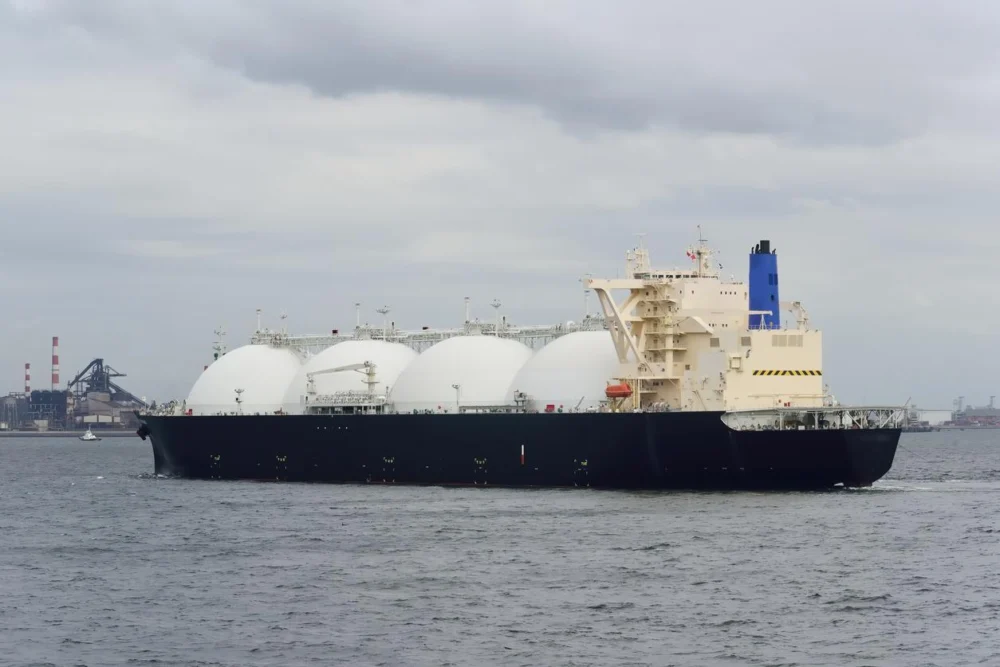
The strategic importance of LNG, for instance, cannot be overstated. Japan is one of the world’s largest importers of LNG, relying on it for a substantial portion of its electricity generation. Any disruption to LNG shipments could have immediate and severe consequences for households and industries alike, potentially leading to blackouts and a significant increase in energy costs. Similarly, wheat is a staple foodstuff, and Japan imports a considerable amount to meet domestic demand. Fluctuations in global wheat prices or availability can directly impact the cost of bread, noodles, and other essential food items, affecting household budgets and food security.
The diversification of supply chains is a multi-faceted strategy. It involves not only seeking alternative suppliers but also exploring different geographical regions for sourcing these critical goods. This could include fostering stronger trade relationships with countries in Southeast Asia, Oceania, or even South America, thereby reducing dependence on any single region or a small group of nations. The government may also consider supporting Japanese companies in establishing production facilities or joint ventures in these alternative sourcing locations, further strengthening their control over supply chains.
Boosting national stockpiles is another crucial pillar of the government’s plan. This involves increasing the reserves of essential items held within Japan, creating a buffer that can be drawn upon in the event of an emergency. For LNG, this might involve expanding storage capacity at import terminals or encouraging the development of more underground storage facilities. For food items like wheat, it could mean increasing the volume of grain held in government-managed silos or working with private sector entities to expand their storage capabilities. The challenge here lies in balancing the cost of maintaining large stockpiles with the need for robust security.
The focus on maritime transport stability is equally critical. Japan’s maritime trade routes are vulnerable to a range of threats, including piracy, geopolitical conflicts, natural disasters, and the potential for blockades. The government’s efforts in this area are likely to involve strengthening its coast guard capabilities, enhancing maritime surveillance, and collaborating with international partners to ensure freedom of navigation and the security of sea lanes. This could also involve promoting the development of more resilient shipping infrastructure, such as diversified port facilities and alternative transportation hubs.
The discussion around broadening and stabilizing maritime transport also extends to the potential for promoting domestic shipping and logistics capabilities. While international trade is paramount, strengthening the resilience of domestic transportation networks can also play a role in mitigating the impact of disruptions to international sea lanes. This might involve investing in modernizing Japan’s domestic fleet, improving port infrastructure, and streamlining logistics operations.
The government’s warning about the potential impact on medicines and sanitary products highlights the broad scope of the issue. In an era where public health is a constant concern, ensuring a steady supply of these items is non-negotiable. This requires a comprehensive approach that considers not only bulk imports but also the manufacturing and distribution of these goods, both domestically and internationally. The pandemic revealed the critical importance of pharmaceutical supply chains, and lessons learned from that experience are undoubtedly informing the current policy discussions.
The inclusion of economic security minister in the government’s structure reflects a broader understanding of national security that extends beyond traditional military considerations. Economic security is now recognized as a fundamental component of a nation’s ability to protect its interests and maintain stability. This integrated approach acknowledges that economic vulnerabilities can have profound implications for national security, and vice versa.
The 2022 National Security Strategy represented a significant step in acknowledging the need for greater economic resilience. However, translating strategic intent into effective policy and implementation has often proven to be a complex undertaking. The current urgency is a clear indication that the government is seeking to move beyond declarations and into a phase of concrete action, driven by the evolving global landscape. The commitment to a summer deadline for policy guidelines suggests a recognition that time is of the essence, and that proactive measures are needed to safeguard Japan’s future.
The role of Prime Minister Sanae Takaichi, a proponent of a robust national defense, in this context is noteworthy. Her leadership, coupled with her prior experience as Economic Security Minister, is likely to imbue the current initiatives with a sense of urgency and strategic foresight. Her government’s focus on these critical import issues signals a determination to build a more secure and self-reliant Japan in an increasingly unpredictable world. The successful implementation of these measures will be crucial in ensuring the continued prosperity and stability of the nation, and the well-being of its citizens.
The global environment presents a continuous challenge, with trade disputes, climate change-induced disruptions, and geopolitical rivalries all contributing to supply chain vulnerabilities. Japan, as a leading global economy with a significant reliance on imports, is particularly susceptible to these external pressures. Therefore, the government’s proactive stance, exemplified by this high-level ministerial meeting and the clear commitment to developing actionable policies, is a critical step towards building a more resilient future. The coming months will be crucial in observing how these strategic intentions translate into tangible safeguards for the nation’s essential supplies.
The success of this initiative will hinge on effective collaboration between government ministries, private sector stakeholders, and international partners. It will require not only sound policy development but also robust implementation mechanisms, continuous monitoring, and the flexibility to adapt to changing global circumstances. The pledge to secure imports by next summer represents a significant undertaking, but one that is vital for Japan’s long-term economic security and the sustained well-being of its population.