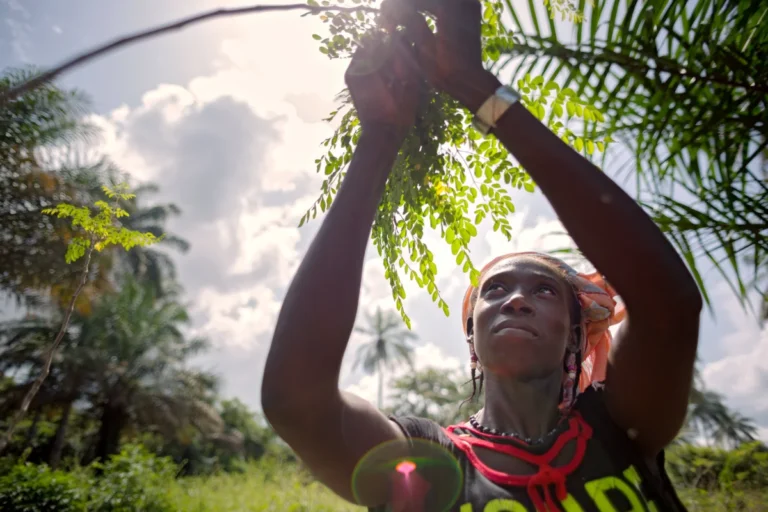


Across the globe, a quiet yet fierce revolution is being led by individuals who often operate in the shadows of mainstream politics but remain the true architects of social progress. These are the Women Human Rights Defenders (WHRDs)—activists, community leaders, lawyers, and journalists who risk their lives to advocate for dignity, justice, and the fundamental rights of all people. From the frontlines of the climate crisis to the boardrooms where peace treaties are negotiated, these women are not merely participants in social movements; they are the driving force behind them. They challenge systemic discrimination, expose state and corporate abuses, and demand a level of accountability that many institutions would prefer to avoid. Yet, as their influence grows, so too does the severity of the pushback against them.
The contemporary landscape for women’s rights is marked by a jarring contradiction. On one hand, there is a heightened global awareness of gender equality, fueled by decades of tireless advocacy. On the other, we are witnessing a coordinated and well-funded resurgence of authoritarianism and traditionalist ideologies that view women’s autonomy as a threat to the status quo. Recent data reveals a chilling trend: 57 percent of organizations surveyed globally report that the risks facing WHRDs and activists are on the rise. This is not a localized issue but a global phenomenon, where the shrinking of civic space is directly tied to the targeting of those who speak loudest for the marginalized.
In 2024, the Office of the United Nations High Commissioner for Human Rights (OHCHR) documented the killings of 56 women human rights defenders, journalists, and trade unionists within conflict-affected countries alone. It is a sobering statistic that international observers warn is likely a significant undercount. These are not just numbers; they represent the loss of vital voices that provide a check on power in some of the world’s most volatile regions. When a woman defender is silenced, the entire community loses a shield. The violence used against them is frequently gendered, utilizing physical assault, sexual violence, and digital harassment to delegitimize their work and intimidate their families.
The nature of these threats has evolved with the digital age. Online spaces, once seen as tools for liberation and organizing, have become breeding grounds for targeted harassment. WHRDs are often subjected to doxing, deep-fake pornography, and coordinated character assassination campaigns designed to force them into silence. This digital violence is not a separate issue from physical safety; it is a precursor and a catalyst for it. In many jurisdictions, these attacks are met with legislative indifference or, worse, the law is weaponized against the defenders themselves. Around the world, we see a rise in the “legal harassment” of activists, where anti-terrorism or cybersecurity laws are used to criminalize legitimate human rights work.
This hostile environment is further complicated by a severe financial crisis within the feminist movement. Despite the rhetoric of international support for gender equality, the actual resources reaching grassroots women’s organizations are dwindling. A recent report titled “At Risk and Underfunded” highlights how deep cuts to funding are threatening the very survival of efforts to end violence against women and girls. Without flexible, multi-year funding, these organizations are forced to spend their limited energy on administrative survival rather than the critical work of protecting rights. When funding is cut, the infrastructure of protection—safe houses, legal aid, and mental health support for activists—is the first to disappear.
The pushback is not happening in a vacuum. It has been nearly 30 years since the landmark Beijing Declaration and Platform for Action, a moment when the world supposedly committed to the idea that “women’s rights are human rights.” However, the progress made since 1995 is currently under siege. Nearly one in four countries now reports a documented backlash against women’s rights. This regression is often part of a broader erosion of democracy. Evidence suggests that the status of women is a reliable “canary in the coal mine” for the health of a nation’s democratic institutions; where women’s rights are rolled back, authoritarianism usually follows.
Despite this harrowing backdrop, the resilience of WHRDs remains undiminished. They continue to organize under the most precarious conditions, proving time and again that they are the most effective drivers of progressive policy change. Historical analysis and academic research, including studies on the civic origins of progressive policy, demonstrate that the single most important factor in combating violence against women is the presence of a strong, autonomous feminist movement. From securing reproductive rights to passing landmark legislation against domestic abuse, the victories of the last century were not gifted by those in power—they were won by the persistence of women human rights defenders.
Their leadership is particularly crucial in the context of the climate crisis. Women are often the first to feel the impacts of environmental degradation, and they are also the most active in defending land and water rights against exploitative industries. Indigenous women human rights defenders, in particular, face a dual burden of ethnic and gender-based discrimination, yet they remain at the absolute vanguard of protecting the planet’s biodiversity. Their work connects the dots between environmental sustainability, economic justice, and human rights, offering a holistic vision for a more equitable future.
In response to these escalating threats, the international community has reached a point of moral and political reckoning. UN Women, standing alongside civil society partners and within the broader UN system, has emphasized that the protection of WHRDs is a collective responsibility. This is not merely a matter of charity or solidarity; it is an essential requirement for the maintenance of international peace and security. Today, the call is being amplified through institutional channels, echoing the Human Rights Council’s resolutions and the United Nations Secretary-General’s “Clarion Call” for gender equality. These frameworks demand that Member States move beyond symbolic gestures and implement concrete protections.
To truly support WHRDs, the global community must adopt a multi-pronged approach. First, there must be a legislative shift. Member States are urged to adopt and enforce laws that recognize the specific risks faced by women defenders and ensure their civic space remains open. This includes the repeal of laws that criminalize dissent and the implementation of protection mechanisms that are sensitive to gender-specific needs. Second, there must be accountability. The culture of impunity that surrounds the killing and harassment of activists must end. When a defender is harmed, the perpetrators—whether they are state actors or private individuals—must face justice.
Third, the issue of resources must be addressed with urgency. Support for WHRDs cannot be contingent on shifting political winds. There is a desperate need for increased, flexible, and direct funding that reaches the grassroots level where it is most effective. Financial support should not just cover project costs but also the “invisible” costs of activism: security, self-care, and organizational resilience. By providing stable funding, the international community allows these movements to transition from a state of constant crisis management to long-term strategic planning.
The message from the frontlines is clear: without women human rights defenders, the progress of the entire human race falters. They are the ones who hold the line when democracy is threatened and who provide the blueprint for a more inclusive world. UN Women’s stance is unwavering: we stand with them, not just in recognition of their bravery, but in acknowledgment of their essential role in our collective survival. The fight for human rights is a marathon, and the women leading the way deserve more than just applause; they deserve the safety, the resources, and the legal standing to continue their vital work. As the world navigates an era of unprecedented volatility, the courage of these defenders remains the most potent antidote to despair and the most reliable engine for progress. The time for the world to protect its protectors is now.