
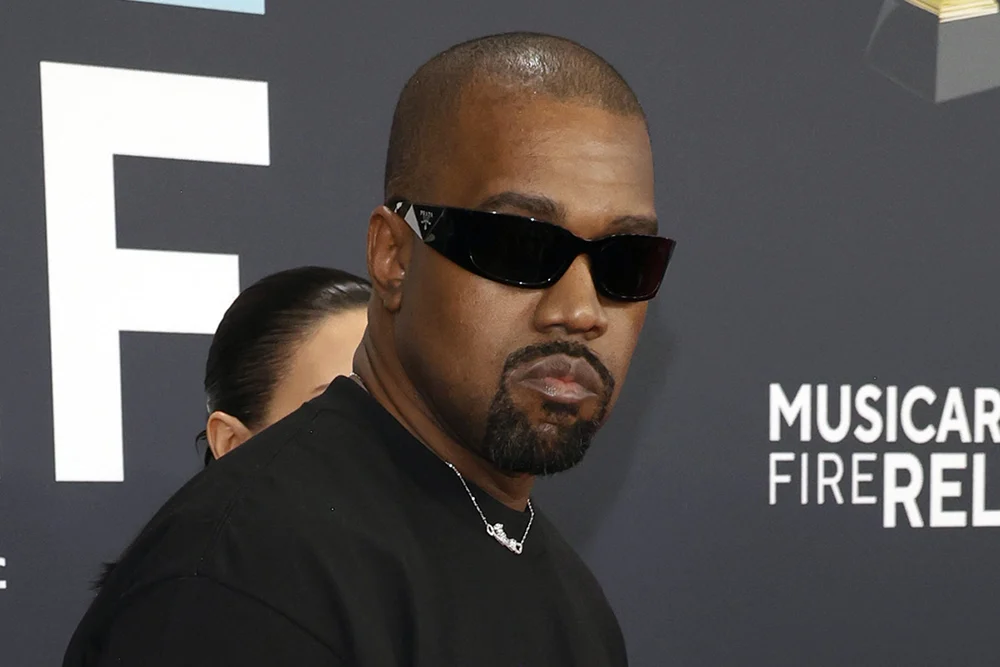
The enigmatic artist known as Ye, formerly Kanye West, is expanding his highly anticipated return to the Los Angeles stage, announcing an additional performance at the colossal SoFi Stadium. This development comes swiftly on the heels of his initial declaration of an April 3 engagement, which was explicitly billed as his “only performance in Los Angeles.” Fans now have a second opportunity to witness the rapper and fashion mogul live, with a newly added show slated for April 1. Ticket pre-sales for this new April 1 date are scheduled to commence on March 12 at 10 a.m. PDT, followed by a general sale opening on March 13 at 10 a.m. PDT, promising a rapid sell-out for both nights at the iconic Inglewood venue.
The initial announcement, made on a Monday morning, sent ripples of excitement and curiosity through the music world. It marked Ye’s first major United States concert in years, a significant milestone given the tumultuous period he has navigated both personally and professionally. The promotional blast for the April 3 show, which initially promised an exclusive Los Angeles appearance, directed eager fans to his official website. There, they were encouraged to pre-register for the concert by pre-saving his forthcoming album, tentatively titled “Bully.” The incentive was clear: “A few lucky pre-registrants will be selected to receive free tickets,” a classic Ye move designed to generate buzz and reward his most dedicated followers while simultaneously boosting early album engagement. This strategy, blending fan loyalty with direct marketing, is characteristic of an artist who has consistently challenged conventional industry norms.
The journey leading to these SoFi Stadium dates has been anything but conventional for Ye. Over the past several years, his public profile has been dominated by a series of controversial statements, particularly a string of antisemitic remarks made across various social media platforms and in high-profile interviews. These pronouncements led to widespread condemnation, the termination of lucrative partnerships with major brands like Adidas, Gap, and Balenciaga, and a significant cooling of his live performance bookings in the Western world. Once a touring powerhouse capable of filling arenas globally, Ye’s concert schedule had visibly slimmed, reflecting the profound impact of his controversies on his commercial viability and public image. His more recent live engagements have largely been concentrated in international markets, including a performance in Mexico City earlier this year and a handful of shows across South Korea and China dating back to 2024. These overseas ventures hinted at an artist seeking new avenues for his creative output and a receptive audience beyond the immediate scrutiny of Western media.
His last notable appearance at SoFi Stadium itself offers a glimpse into the evolving nature of his live events. In 2024, he shared the stage with Ty Dolla Sign during Rolling Loud, but it was less a traditional concert and more a communal listening party for their collaborative album, “Vultures 1.” This format, which Ye has often embraced in recent years, prioritizes the shared experience of debuting new music over a conventional performance structure, allowing him to connect with fans in a unique, album-centric way. The upcoming April 1 and April 3 dates, however, are being billed as full performances, signaling a potential shift back towards more traditional concert experiences, albeit infused with Ye’s signature flair for the unexpected.
These Los Angeles shows arrive mere months after Ye made a notable public gesture in an attempt to address the fallout from his past remarks. In a full-page advertisement published in The Wall Street Journal, he released an apology letter, specifically directed at “those I’ve hurt.” In this letter, he attributed his antisemitic behavior to what he described as untreated brain damage and mental illness. While offering this explanation, he also unequivocally stated, “It does not excuse what I did though. I am not a Nazi or an antisemite. I love Jewish people.” The apology also extended to the Black community, where he expressed profound remorse, writing, “I am so sorry to have let you down.” The reception to this apology was mixed, with some viewing it as a sincere step towards reconciliation, while others remained skeptical, questioning its timing and the efficacy of attributing complex behaviors solely to medical conditions without a more sustained commitment to accountability and change. For many, the apology was seen as a necessary, if belated, prerequisite for any meaningful return to mainstream acceptance and commercial success.
Beyond the live performances, Ye is concurrently navigating the complex rollout of his new album, “Bully.” This project has already experienced several delays, a common characteristic of Ye’s album release cycles, which are frequently marked by last-minute tweaks, surprise drops, and a fluid approach to deadlines. The album’s unconventional preview strategy saw him release different full-length versions of a film in March 2025, serving as an artistic prelude to the musical offering. The finished album is currently slated for release on March 27, just days before his SoFi Stadium engagements. This intricate dance between cinematic presentations, album delays, and high-stakes live performances underscores Ye’s continued commitment to pushing boundaries, both in his art and his engagement with the public. The synergy between the album’s release and these major concerts suggests a meticulously planned, albeit still characteristically unpredictable, attempt to reclaim his position at the forefront of the cultural conversation, one beat, one lyric, and one stadium show at a time. The eyes of the music industry and the broader public will undoubtedly be fixed on SoFi Stadium, watching to see what this next chapter holds for an artist whose career has consistently defied easy categorization.