

Hollywood’s Creative Vanguard Prepares for Pivotal Negotiations: The Future of Storytelling, Health, and Fair Compensation Hangs in the Balance
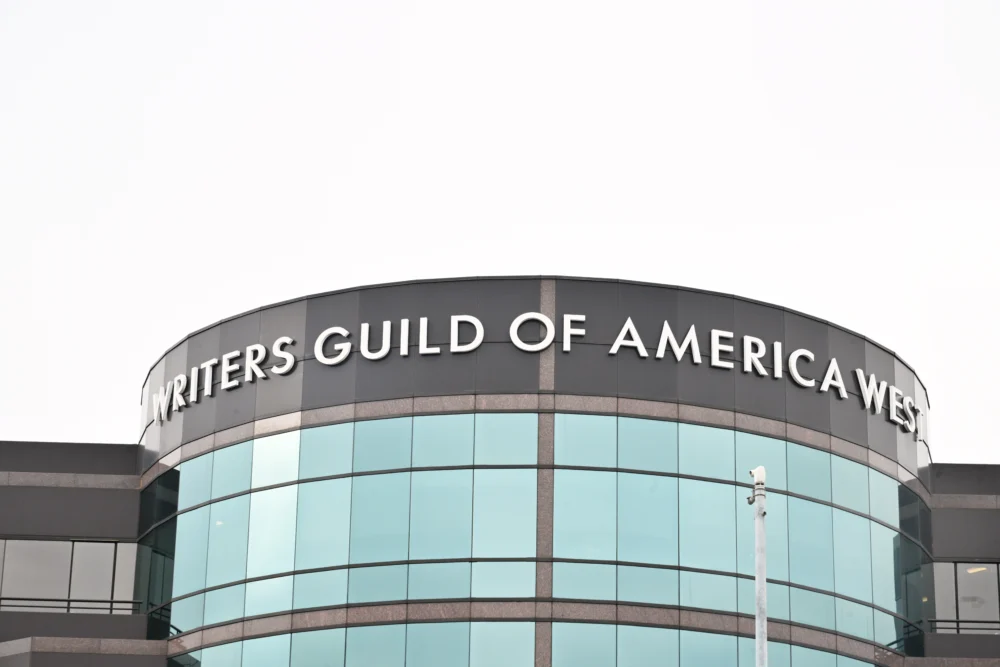
WGA Members Approve Bargaining Agenda Focused on Health Care, Pay, AI
In a resounding display of unity and determination, members of the Writers Guild of America (WGA) have overwhelmingly voted to approve a comprehensive bargaining agenda, setting the stage for critical negotiations with Hollywood studios. With an astonishing 97.4% of ballots cast in favor, the union has solidified its “pattern of demands” ahead of talks slated to commence on March 16. This near-unanimous mandate underscores the profound urgency and shared concerns among writers regarding their professional future, economic stability, and the very integrity of their craft in an evolving industry landscape. The agenda zeroes in on several core issues, including the precarious state of writers’ healthcare, equitable compensation in the digital age, and the looming, transformative impact of artificial intelligence.
At the forefront of the WGA’s concerns is the alarming financial instability plaguing its health fund, a cornerstone of security for thousands of working writers and their families. The union has candidly informed its membership that the fund faces a dire financial precipice, attributed to a confluence of factors including a significant contraction within the entertainment industry and the relentless escalation of healthcare costs nationwide. For four consecutive years, the health fund has reportedly suffered eight-figure losses, accumulating a staggering deficit of $205 million. Without immediate and substantial intervention, the WGA warns, the fund is projected to exhaust its reserves within the next three years. This isn’t merely a fiscal problem; it represents an existential threat to the well-being and peace of mind of an entire creative workforce, many of whom navigate a profession characterized by project-based work and fluctuating income. The human impact of such a collapse—potential loss of coverage, restricted access to essential medical services, and immense stress for families—cannot be overstated, particularly in a demanding industry where mental health and stable support systems are paramount.
To avert this impending crisis, the WGA’s pattern of demands explicitly calls for studios and employers to significantly increase their contributions to both the pension and health funds. Furthermore, the union is advocating for an agreement to raise the compensation caps upon which these crucial contributions are assessed. The current caps, established in a different economic and industry era, no longer adequately reflect the realities of contemporary earnings or the soaring costs of benefits. In a recent memo to its members, the WGA also hinted at the necessity for “plan design changes that will save money while preserving access to high-quality providers.” While the specifics of these proposed changes remain confidential, such adjustments could encompass a range of strategies, from negotiating better rates with providers to restructuring certain aspects of coverage, all with the stated goal of ensuring the fund’s longevity without compromising the quality of care. This delicate balance—securing financial solvency while safeguarding comprehensive access—will undoubtedly be a central, and potentially contentious, point of discussion at the bargaining table.
The Alliance of Motion Picture and Television Producers (AMPTP), the powerful collective that represents the major studios and streaming platforms in these negotiations, has offered a contrasting perspective on the benefits landscape. In a report published in December, the AMPTP contended that Hollywood workers, including writers, currently enjoy a highly generous benefits package when compared to typical employer-based plans across other industries. This argument sets the stage for a classic labor-management debate, with the WGA emphasizing the unique vulnerabilities and demands of creative contract work, and the AMPTP highlighting the perceived robust nature of existing provisions. The disparity in these viewpoints underscores the fundamental disagreement over who bears the primary responsibility for the long-term health and financial security of the industry’s creative talent, and how the value of that talent is appropriately compensated and protected.
Beyond the immediate healthcare crisis, the WGA’s agenda steadfastly addresses the perennial struggle for fair compensation. As is customary in any collective bargaining process, the union will be pushing for increases in minimum compensation rates, acknowledging the rising cost of living in major production hubs and the need for writers to earn a sustainable income. This issue is particularly salient for early-career writers and those working on smaller projects, where minimums form the bedrock of their earnings. The negotiations will also revisit and seek to build upon two pivotal issues that dominated the historic 2023 strike: the equitable remuneration for streaming content and the critical regulation of artificial intelligence.
The landscape of entertainment consumption has irrevocably shifted towards streaming platforms, yet the compensation structures for writers have struggled to keep pace. The current system of “streaming residuals” often pales in comparison to the residuals earned from traditional broadcast and cable television, leading to a significant erosion of writers’ long-term income, particularly for successful projects that find sustained audiences on global platforms. For many writers, residuals are not merely a bonus but a vital component of their annual income and retirement planning, providing a financial bridge between projects. The WGA will undoubtedly press for a more robust and transparent residual model that accurately reflects the value and reach of content in the streaming era, ensuring that writers share more equitably in the immense success generated by their intellectual property.
Perhaps the most forward-looking and potentially industry-defining aspect of the WGA’s demands centers on artificial intelligence. The rapid advancement of AI technology presents both unprecedented opportunities and profound existential threats to creative professions. During the 2023 strike, the WGA successfully established initial guardrails against unchecked AI usage, but the technology continues to evolve at an exponential rate. The union’s current demands will undoubtedly seek to strengthen these protections, ensuring that AI remains a tool to assist human creativity rather than a replacement for it. This includes advocating for clear rules regarding the use of AI in generating script drafts, protecting writers’ credit and copyright for AI-assisted work, and preventing studios from using AI to diminish the need for human writers or to devalue their labor. The negotiations around AI are not just about protecting jobs; they are about safeguarding the fundamental principles of authorship, intellectual property, and the unique human voice that defines compelling storytelling. For an industry built on original narratives and distinctive perspectives, defining the role of AI is paramount to preserving its creative soul.
Interestingly, the pattern of demands does not explicitly cite minimum staffing on television shows, a major flashpoint during the 2023 strike. This omission, however, does not signal a retreat from the issue but rather reflects the WGA’s significant victories on this front in the last contract. The 2023 agreement was a landmark achievement, effectively dismantling the controversial practice of “mini-rooms”—where a small cadre of writers would work extensively on multiple scripts during a project’s development phase, often at reduced rates and without the promise of full production involvement. The WGA also secured crucial staffing minimums for shows once they were greenlit, mandating between three to six writers depending on the season’s length. These wins were designed to ensure fair compensation, provide stable employment, and foster a more collaborative and adequately resourced writing environment. The absence of this demand in the current agenda suggests the union is focused on consolidating and enforcing those hard-won gains, while strategically shifting its attention to other pressing issues that require immediate redress.
Nonetheless, the pattern of demands does touch upon related issues that speak to the ongoing struggle for fair treatment and compensation within the writing process. One such area is the compensation of writers who participate in post-production. While writers are intimately involved in crafting the narrative, their involvement often extends beyond the final draft, with many contributing significantly to the shaping of a project during editing and other post-production phases. Historically, this crucial work has not always been adequately compensated, leading to what can amount to unpaid labor. Addressing this acknowledges the holistic role writers play in bringing a story to screen. Another significant concern highlighted is the pervasive issue of “free work,” a perennial grievance among feature writers that has increasingly bled into the television business in recent years. This phenomenon refers to the expectation for writers to undertake extensive development work, rewrites, or pitches without guaranteed compensation or a clear path to project realization. It devalues their time, expertise, and creative output, particularly impacting less established writers who may feel pressured to accept such terms to gain a foothold in the industry. The WGA aims to stamp out these exploitative practices, ensuring that all creative labor is properly recognized and remunerated.
It is important to remember that the “pattern of demands” serves as a broad outline, a strategic framework of topic areas the WGA intends to address. The intricate, detailed proposals that underpin these demands will be formally presented to the AMPTP once bargaining officially commences. In a common practice designed to facilitate candid and uninhibited discussions, these specific proposals will be kept strictly confidential while negotiations are underway. This veil of secrecy is often maintained to prevent public posturing, media sensationalism, and external pressures from derailing the complex and delicate process of reaching a mutually agreeable contract. The coming weeks will undoubtedly be a period of intense negotiation, strategic maneuvering, and potentially difficult compromises, all with the profound goal of securing a more equitable and sustainable future for the writers who are the lifeblood of the entertainment world.