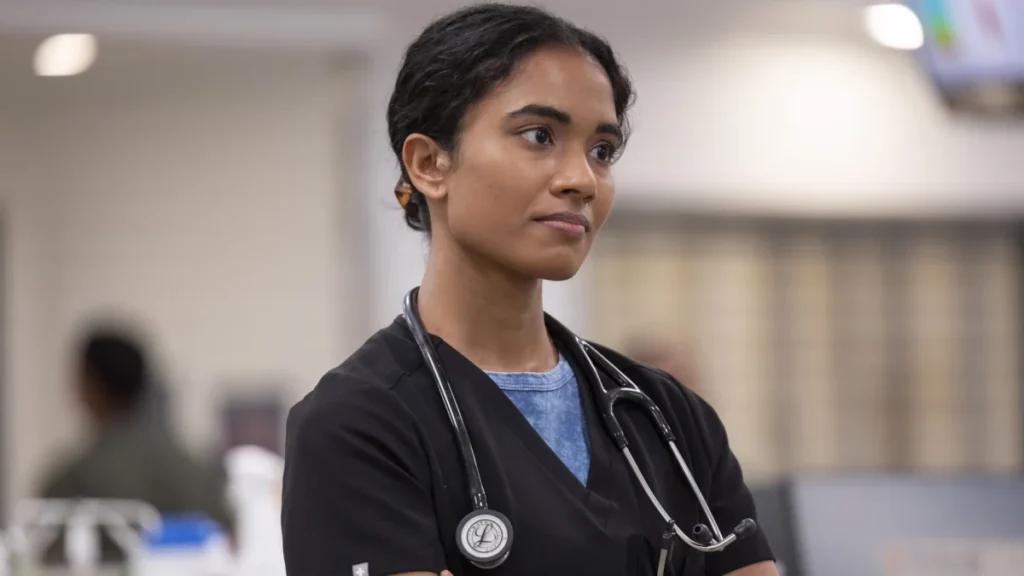


On International Women’s Day, the global community pauses to honor the immense contributions of women and girls who serve as the backbone of our societies. From the frontlines of the healthcare sector to the vanguard of scientific innovation, their influence is undeniable. Throughout the arduous years of the COVID-19 pandemic, it was women who largely sustained the response efforts, working as nurses, doctors, community health workers, and scientists. Beyond the clinical setting, their activism and ideas continue to reshape our world, challenging outdated norms and demanding a more equitable future. Whether leading grassroots movements for social justice or navigating the complexities of high-level diplomacy, women’s leadership remains a vital catalyst for positive change across every walk of life.
However, this day of celebration is also a sobering moment for reflection. Despite decades of advocacy, the reality for many women and girls remains precarious. In various regions and sectors, the progress once thought to be secure is under threat. There is a growing and alarming recognition that the clock on women’s rights is not just stalling; in too many instances, it is moving backward. The hard-won gains of previous generations are being eroded by a combination of global health crises, economic instability, and a resurgence of regressive ideologies.
The COVID-19 pandemic served as a massive disruptor, disproportionately impacting women’s lives. As schools shuttered and workplaces moved into the home, or closed altogether, girls and women were the first to be pushed out. For many young girls, the closure of classrooms meant more than just a pause in learning; it led to a permanent exit from the education system, often resulting in early marriages or forced labor. In the professional sphere, women were more likely to hold precarious jobs in the informal economy, which were the first to vanish during lockdowns. This displacement has led to a sharp rise in female poverty, reversing years of economic empowerment and leaving millions of women without financial independence.
Compounding this economic strain is the persistent and rising tide of violence. The "shadow pandemic" of domestic abuse intensified during periods of isolation, as women were trapped with their abusers without access to support networks or escape routes. Beyond the home, women continue to be targets of violence and abuse simply because of their gender. This systemic hostility manifests in many forms, from online harassment and stalking to physical assault and femicide. The pervasive nature of this violence serves as a constant barrier to women’s full participation in public and private life, creating a climate of fear that stifles potential and restricts freedom.
One of the most significant yet undervalued aspects of the gender divide is the distribution of unpaid care work. Across the globe, women perform the vast majority of essential care tasks—looking after children, the elderly, and the sick, while also managing household responsibilities. While this work is the glue that holds societies together, it remains largely invisible and uncompensated. This "care penalty" limits women’s ability to pursue formal employment, seek higher education, or engage in political life. Without a fundamental shift in how society values and distributes this labor, the gender gap in economic and social participation will remain insurmountable.
In the halls of power and the boardrooms of industry, the absence of women is not just a missed opportunity; it is a scandal. In almost every country, women remain drastically under-represented in decision-making roles. This lack of representation means that policies and business strategies are often developed without the input of half the population, leading to outcomes that fail to address the specific needs and perspectives of women. Whether in national parliaments or corporate executive suites, the male-dominated culture of leadership continues to exclude female voices, reinforcing a cycle of inequality that is difficult to break.
This year’s International Women’s Day theme also highlights a critical and often overlooked intersection: the link between gender and environmental justice. Women and girls bear the brunt of climate change and environmental degradation. In many parts of the world, women are the primary providers of food, water, and fuel for their families. When droughts strike, floods occur, or natural resources become scarce, it is women who must travel further and work harder to sustain their households. They are also more likely to be displaced by climate-related disasters and face greater risks during migration. The climate crisis is not gender-neutral; it is an accelerant of existing inequalities.
The message for this International Women’s Day is clear: the time has come to turn the clock forward for every woman and girl. This is not a task for the distant future, but a mandate for the present. Reclaiming progress requires a multi-faceted approach that addresses the root causes of inequality.
The foundation of this transformation must be education. Guaranteeing quality education for every girl is the most effective way to break the cycle of poverty and empower the next generation. When girls are educated, they are better equipped to build the lives they want, advocate for their rights, and contribute to the collective well-being of their communities. Education is the key to unlocking the ideas and innovations that will make the world a better place for everyone.
Parallel to education, there must be massive, targeted investments in women’s training and the creation of decent work. This involves moving beyond entry-level roles and ensuring that women have access to high-growth sectors, including technology and the green economy. Economic systems must be redesigned to ensure equal pay for equal work and to provide women with the financial tools and credit necessary to start and scale businesses.
Ending gender-based violence requires more than just condemnation; it requires effective, sustained action. This means strengthening legal frameworks, ensuring that survivors have access to comprehensive support services, and engaging in cultural shifts that challenge the toxic masculinities that drive violence. It also requires bold action to protect the planet, recognizing that environmental sustainability and gender equality are inextricably linked. Climate policies must be gender-responsive, ensuring that women have a seat at the table in climate negotiations and access to the resources needed for adaptation and resilience.
Furthermore, the global community must move toward a model of universal care. This involves integrating care work into social protection systems, providing affordable childcare, and ensuring that caregiving responsibilities are shared more equitably between genders. By formalizing and supporting the care economy, we can alleviate the disproportionate burden on women and enable their full participation in the workforce.
To accelerate this change, targeted measures like gender quotas are essential. While often debated, quotas have proven to be an effective tool for breaking through the "glass ceiling" in both politics and business. By ensuring a minimum level of representation, we can begin to shift the power dynamics that have long excluded women. The goal is not just to have women in the room, but to ensure they have the influence to shape decisions and lead organizations.
At its core, gender inequality is a question of power. We live in a world and a culture that has been dominated by men for centuries, creating structures that inherently favor one gender over the other. To achieve true equality, these power relations must be reversed. This is not about taking power away from men, but about distributing it fairly so that everyone can benefit from the diverse ideas, experiences, and leadership styles that women bring to the table.
The United Nations has sought to lead by example in this regard. By achieving gender parity in senior management at its headquarters and in its missions around the world, the UN has demonstrated that rapid change is possible with political will. This shift has not only improved the organization’s internal culture but has also made its work more effective and representative of the global communities it serves.
The world needs more women in high-level leadership—more environment ministers, more CEOs, and more heads of state. Female leaders are often at the forefront of pushing for policies that address the climate crisis, develop green jobs, and build more just and sustainable societies. Their leadership is not a luxury; it is a necessity for navigating the complex challenges of the 21st century.
As we emerge from the shadow of the pandemic, we cannot allow the clock to continue spinning backward. The setbacks of the recent past must serve as a wake-up call. We must be intentional and relentless in our efforts to turn the clock forward on women’s rights. The roadmap is clear, the tools are available, and the moral imperative is undeniable. The time to act is not tomorrow, or in the next decade. The time is now.