



Global Markets Reel as Strait of Hormuz Tensions Ignite Oil Shock and Tokyo’s Steepest Plunge in Months
Tokyo’s financial markets experienced a dramatic sell-off on Monday, with the benchmark Nikkei 225 index plummeting to its lowest point since January 8th. The precipitous decline, which saw the index shed over 1,800 points by the close, was triggered by escalating geopolitical tensions in the Middle East and a subsequent surge in crude oil futures. The tremors of this crisis were felt globally, impacting investor sentiment and currency markets alike.
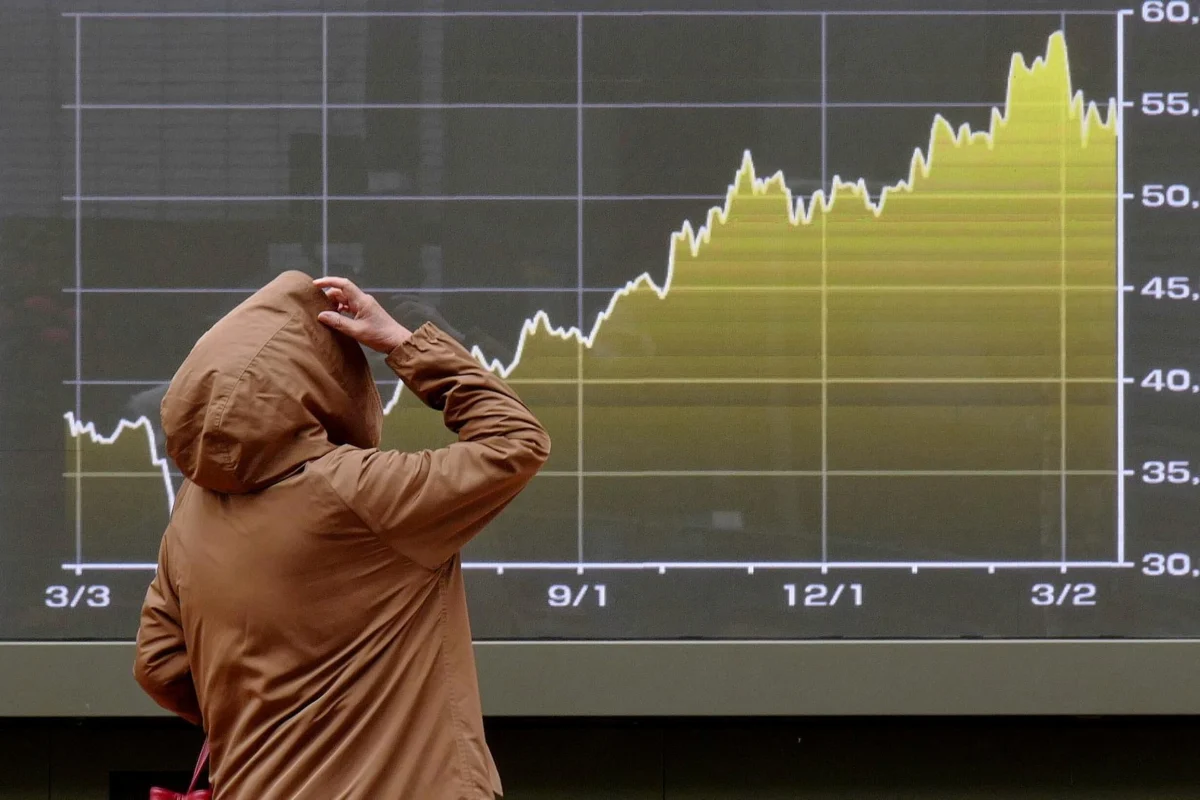
The Nikkei 225, a key barometer of Japan’s economic health, concluded the trading session down a significant 1,857.04 points, representing a 3.48 percent drop from its Thursday closing level, settling at 51,515.49. The index had briefly flirted with even deeper losses, at one point shedding more than 2,600 points as market participants reacted with alarm. The broader Topix index, which encompasses a wider range of companies on the Tokyo Stock Exchange, also suffered a substantial blow, falling 122.96 points, or 3.41 percent, to close at 3,486.44.
The impact was particularly pronounced on the Prime Market, Japan’s elite trading segment. Sectors bearing the brunt of the market’s anxiety included marine transportation, nonferrous metals, and real estate. These industries, often sensitive to global trade flows and commodity prices, saw significant investor divestment. The closure of Japanese markets on Friday for a public holiday meant that Monday’s trading session absorbed the full impact of the weekend’s developing crisis, amplifying the day’s losses.
Over the course of two trading days, the Nikkei index has now shed more than 3,700 points, a stark illustration of the market’s sensitivity to the escalating conflict in the Middle East. This rapid depreciation underscores the fragility of investor confidence when faced with potential disruptions to global supply chains and energy security.
In currency markets, the U.S. dollar experienced a notable strengthening, climbing into the upper 159 yen range in Tokyo trading. This upward movement reflects a classic “flight to safety” phenomenon, where investors flock to perceived secure assets like the dollar during times of geopolitical uncertainty. However, the dollar’s ascent was not unchecked. Concerns over potential currency interventions by Japanese authorities acted as a moderating force. Earlier in the day, Atsushi Mimura, Vice Minister of Finance for International Affairs, issued a strong statement, asserting that Japan would take “all possible steps” to address speculative movements in the foreign exchange market. This warning signaled Tokyo’s readiness to defend the yen, tempering aggressive dollar buying.
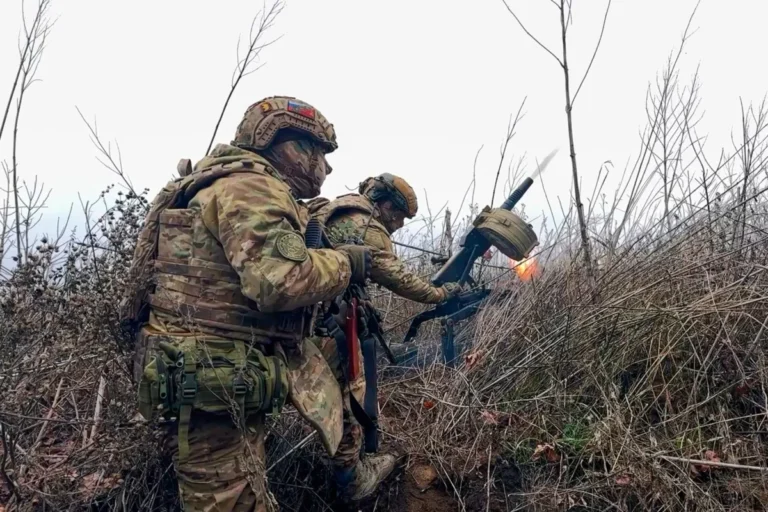
The immediate catalyst for the market’s sharp downturn was a dramatic escalation in rhetoric from U.S. President Donald Trump regarding the Strait of Hormuz, a vital chokepoint for global oil shipments. In a social media post disseminated on Sunday morning Japan Standard Time, President Trump issued a stark ultimatum: Iran must lift the closure of the Strait of Hormuz within 48 hours, or power plants would face attacks. This threat was met with a defiant response from Iran, which declared that the waterway would be shut down completely if its power plants were targeted.
The prospect of a prolonged conflict and the potential for significant disruptions to oil supplies sent shockwaves through commodity markets. The benchmark West Texas Intermediate (WTI) crude oil futures contract briefly surged past the $100 per barrel mark, a significant psychological and economic threshold. This surge in oil prices immediately translated into heightened anxiety across global financial markets, with concerns about inflated energy costs and the potential for a resultant economic slowdown weighing heavily on investor sentiment.
The Nikkei index, reflecting this pervasive unease, briefly plummeted over 5 percent, dipping below the 51,000 yen level. This sharp decline was a direct response to the burgeoning oil crisis and the heightened geopolitical risks. While the index managed to pare back some of its earlier losses in afternoon trading, this recovery was attributed to opportunistic dip-buying by investors seeking to capitalize on the steep price drops, a common strategy in volatile markets.
Maki Sawada, a strategist in the Investment Content Department at Nomura Securities Co., offered a somber assessment of the situation. “As for the current situation in the Middle East, no progress toward a solution has been seen,” she noted, highlighting the lack of de-escalation and the persistent uncertainty. This sentiment of stagnation and unresolved conflict is a key driver of market anxiety.
Further elaborating on the market’s reaction, Shota Sando, an equity market analyst at Tokai Tokyo Intelligence Laboratory Co., observed that investors were actively adjusting their portfolios in anticipation of a protracted confrontation. “Investors ‘adjusted their positions as President Trump showed no intention of stopping the war, implying a prolonged conflict’,” Sando stated. This suggests a strategic shift among market participants, moving away from riskier assets and towards those perceived as safer havens, or hedging against further downturns.
The geopolitical standoff in the Strait of Hormuz is not an isolated incident but rather a continuation of simmering tensions between the United States and Iran. The strategic importance of the strait cannot be overstated. Approximately 30% of the world’s seaborne oil trade passes through this narrow waterway, making any disruption a critical threat to global energy security and economic stability. For decades, the region has been a focal point of international concern, with various incidents and political pronouncements capable of sending ripples through global markets. The current escalation, however, carries a particular weight due to the direct threats and the potential for a wider regional conflict.
The United States has been a vocal proponent of maintaining free navigation through the Strait of Hormuz, viewing any attempt to close or disrupt passage as a direct threat to international commerce and its own national interests. Iran, on the other hand, has historically used the strait as leverage in its geopolitical dealings, particularly in response to international sanctions and perceived aggressions. The threat to attack power plants, while a departure from traditional naval-based threats, signals a willingness to inflict significant economic damage, thereby raising the stakes considerably.
The economic implications of sustained high oil prices are far-reaching. For countries heavily reliant on oil imports, such as Japan, a sharp increase in crude prices translates directly into higher energy costs for consumers and businesses. This can lead to increased inflation, reduced consumer spending, and a slowdown in economic growth. Industries that are energy-intensive, such as manufacturing and transportation, face higher operational costs, potentially impacting their profitability and competitiveness. The specter of stagflation – a period of stagnant economic growth coupled with high inflation – looms large in such scenarios.
Moreover, the interconnectedness of the global economy means that disruptions in one region can quickly propagate elsewhere. A significant surge in oil prices can impact global trade routes, increase shipping costs, and potentially lead to a broader slowdown in international economic activity. Investors, keenly aware of these potential consequences, are quick to react by reducing their exposure to riskier assets, leading to widespread market declines.
The role of currency markets in this unfolding crisis is also noteworthy. The strengthening of the U.S. dollar is a predictable outcome of increased global uncertainty. As a widely accepted reserve currency and a safe-haven asset, the dollar tends to appreciate when investors seek to preserve capital. However, the Japanese authorities’ interventionist stance highlights their commitment to maintaining economic stability. A rapidly depreciating yen can make imports more expensive, exacerbating inflationary pressures and potentially undermining the effectiveness of monetary policy. The delicate balancing act between allowing market forces to play out and intervening to prevent excessive volatility is a constant challenge for central banks and finance ministries.
The statements from analysts like Maki Sawada and Shota Sando provide valuable insights into the prevailing market sentiment. The absence of any clear diplomatic path towards de-escalation, coupled with the assertive rhetoric from political leaders, creates an environment of sustained uncertainty. This uncertainty is a poison to investment, as businesses and individuals become hesitant to commit capital when the future is so unpredictable. The implication of a prolonged conflict suggests that market participants are bracing for a sustained period of elevated risk, prompting a reassessment of asset allocations and investment strategies.
The technical indicators for the Japanese stock market also paint a concerning picture. The Nikkei’s fall below key support levels suggests a potential for further downside if the geopolitical situation does not improve. Chartists and technical analysts will be closely watching for signs of capitulation or a potential bottoming out, but the current trajectory indicates a market under significant pressure. The broad-based nature of the declines across various sectors further underscores the pervasive nature of the investor fear.
Beyond the immediate market reaction, the events of the past few days also highlight the ongoing geopolitical realignments and power dynamics in the Middle East. The region remains a critical nexus of global energy production and a frequent arena for proxy conflicts and political maneuvering. Any significant escalation in the current standoff carries the potential to draw in regional and international powers, further complicating the geopolitical landscape and increasing the risk of wider conflict.
As the world watches the unfolding situation with bated breath, the economic consequences are already being felt. The surge in oil prices serves as a stark reminder of the world’s continued dependence on fossil fuels and the inherent vulnerabilities that come with it. The interconnectedness of the global economy means that a crisis in one region can have profound and widespread effects, impacting everything from household budgets to corporate profitability. The coming days and weeks will be critical in determining whether diplomatic efforts can prevail over escalating tensions, or if the world is indeed headed for a period of prolonged instability and economic hardship.
© KYODO