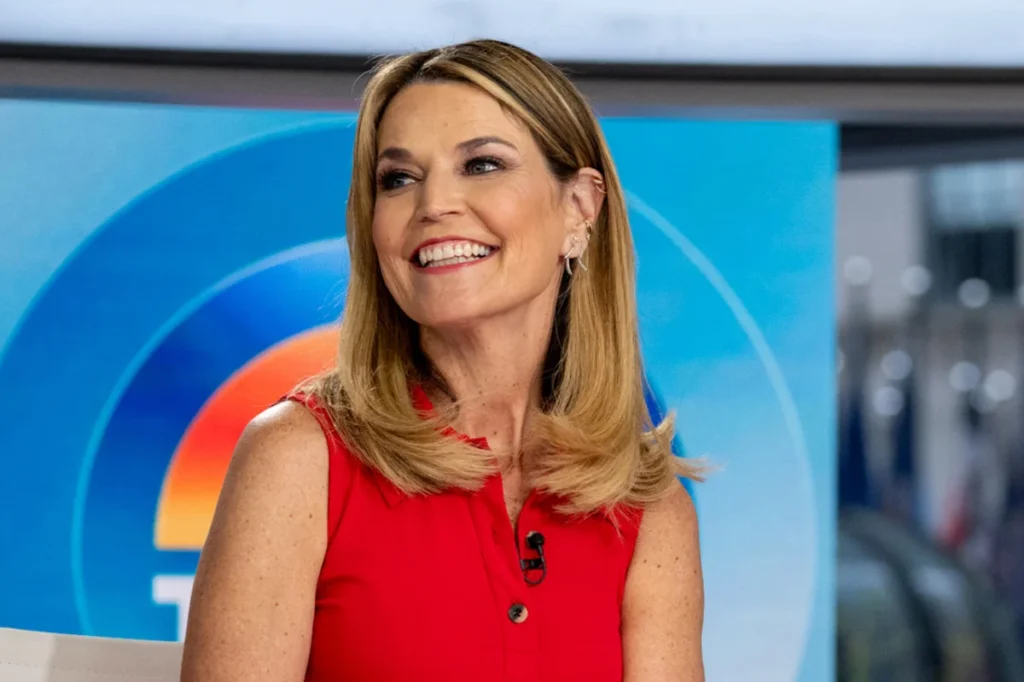




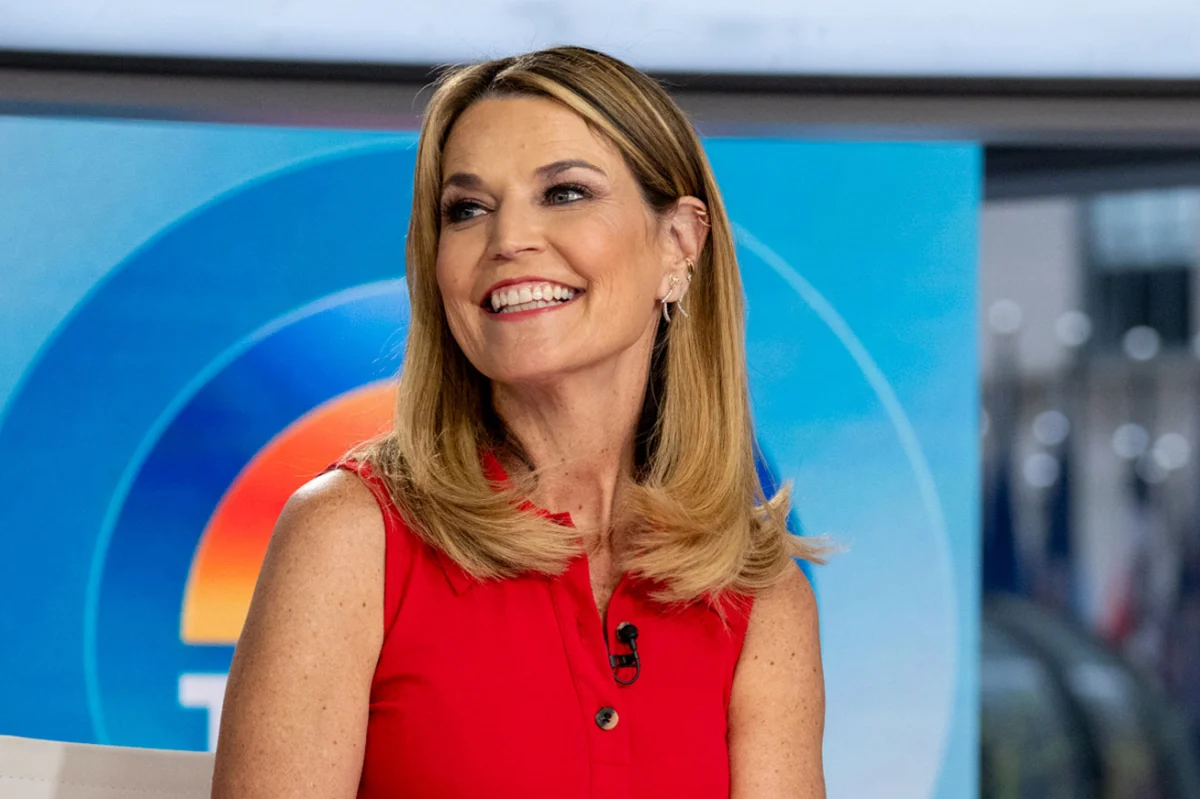
The familiar, reassuring presence of Savannah Guthrie, a cornerstone of NBC’s "Today" show, has been conspicuously absent from America’s morning screens for weeks. Her hiatus, however, has not been one of leisure or planned sabbatical, but rather a deeply personal and harrowing journey through an unimaginable family crisis. As she prepares to step back into her co-anchoring role, the network is paving the way for her return with a two-part, in-depth interview, positioning her not just as the beloved host, but as the subject of one of the program’s most significant and poignant stories. This carefully orchestrated re-entry underscores the immense human stakes involved when a prominent public figure navigates profound private grief under the unyielding glare of national attention.
Guthrie’s ordeal began on January 31, when her mother, Nancy Guthrie, vanished from her Arizona home. This sudden disappearance plunged the family into a terrifying unknown, transforming their private lives into a public plea for answers. For nearly two months, the beloved matriarch’s whereabouts have remained a mystery, leaving a void of uncertainty and anguish that has resonated far beyond the Guthrie household. The weight of this ongoing tragedy will be laid bare in a highly anticipated conversation between Savannah Guthrie and her former "Today" colleague, Hoda Kotb. Taped prior to its airing, the interview promises an intimate glimpse into the profound strain and emotional toll this period has exacted on Guthrie and her loved ones. Early clips released by NBC reveal a visibly emotional Guthrie, her voice thick with pain, as she attempts to articulate the indescribable experience to Kotb. The two-part special is scheduled to broadcast on Thursday, March 26, and Friday, March 27, offering viewers a comprehensive, empathetic account before Guthrie officially resumes her duties.
The decision to feature Guthrie as the focal point of such an extensive interview before her official return is a strategic move by NBC. In the highly competitive world of morning television, where anchors often cultivate a deep, almost familial bond with their audience, managing the emotional landscape surrounding a personal crisis of this magnitude is paramount. The interview serves as a crucial bridge, allowing Guthrie to address the raw, unresolved emotions of her family’s trauma directly with the viewers who have come to rely on her daily presence. It’s an opportunity for transparency, an act of shared vulnerability that aims to blunt the potential for overwhelming emotion that would otherwise undoubtedly accompany her immediate re-entry into the show’s daily rhythm. By allowing her to speak openly and honestly about her pain, the network hopes to foster understanding and compassion, preparing the audience for her return to the anchor desk with an informed sense of empathy.
This tactic is not without precedent in NBC’s history of managing high-profile talent crises. In 2015, following the controversy surrounding Brian Williams’ embellishments about a 2003 reporting trip to Iraq, the network employed a similar strategy. Williams, then the anchor of "NBC Nightly News," sat down for an extensive interview with former "Today" co-host Matt Lauer. That exchange, aired across both "Today" and "NBC Nightly News," was a calculated effort to bring Williams back into the public discourse after a period of intense scrutiny and criticism. While the nature of the controversies differed dramatically – Williams’ situation involved professional misconduct, whereas Guthrie’s is a personal tragedy – the underlying principle remains the same: a controlled, empathetic forum for a prominent figure to address a significant public event before resuming their regular duties. In Guthrie’s case, the goal is not rehabilitation, but rather to facilitate a gentle, understanding reintegration, acknowledging the profound impact of her mother’s disappearance on her personal and professional life.
The choice of Hoda Kotb to conduct this delicate and deeply personal interview is particularly insightful. Kotb, a beloved figure herself and a former co-anchor of "Today," embodies a unique blend of familiarity, empathy, and professional distance. Her established rapport with Guthrie, forged over years of working side-by-side, ensures a comfortable and trusting environment for such a sensitive conversation. Viewers perceive Kotb as a warm, authentic presence, known for her ability to elicit genuine emotion and foster heartfelt exchanges. Yet, her current status, no longer a full-time staffer at the morning franchise, provides a subtle but important layer of removal from the immediate daily operations of "Today." This allows her to approach the interview with the compassion of a friend and colleague, but also with the journalistic integrity and objectivity required to guide a national conversation around such a sensitive, ongoing event. Her role is to be a steady, guiding hand through what is undeniably a delicate and painful exchange, ensuring that Guthrie’s story is told with the grace and respect it deserves.
The backdrop to Guthrie’s return is further complicated by the stark reality that Nancy Guthrie’s fate remains unknown. Nearly two months have passed since her disappearance, and the case remains an active, open investigation. This unresolved mystery casts a long shadow over Savannah’s anticipated return, presenting an unprecedented challenge for NBC News and the "Today" show. The inherent uncertainty means that new developments or twists in the investigation could emerge at any moment, potentially requiring Savannah to once again step away from her anchoring duties. This dynamic creates a layer of unpredictability that is unique in the high-stakes world of live television.
In Guthrie’s absence, the "Today" show has demonstrated remarkable resilience and teamwork. Co-host Craig Melvin has stepped up admirably, providing steady leadership alongside Hoda Kotb, who has frequently filled in. Other familiar faces, including Sheinelle Jones and Laura Jarrett, have also contributed, ensuring a seamless continuation of the program. This collective effort highlights the strength and depth of the "Today" bench, showcasing a united front in support of their colleague during her time of profound personal crisis. The ability of the team to maintain the show’s quality and viewership during such a challenging period speaks volumes about their professionalism and the strong bonds within the "Today" family.
The situation NBC News faces is indeed without recent parallel. Savannah Guthrie is not merely an anchor; she is a central pillar of a program that generates hundreds of millions of dollars in advertising revenue and serves as a vital financial linchpin for the entire network news division. Even in an era increasingly dominated by streaming, the four weekday hours of "Today" continue to command significant commercial attention, pulling in an estimated $315.4 million in 2025 alone, according to Guideline, a reputable tracker of ad spending. The show’s ability to consistently deliver substantial advertising revenue underscores its critical importance to NBC’s overall financial health and market position.
Remarkably, viewership for "Today" has surged since Nancy Guthrie’s abduction, a testament to the audience’s connection with the show and its anchors. Quarter-to-date as of March 22, "Today" has averaged an impressive 3.1 million viewers, marking a significant 14% increase compared to the same period last year. This surge places it firmly ahead of its rivals in the fierce morning show competition. In contrast, ABC’s "Good Morning America" has commanded an average of nearly 2.93 million viewers, while CBS’s "CBS Mornings" has drawn an average of nearly 1.76 million. "Today" currently captures approximately 40% of the total audience watching the three major broadcast-network morning programs, a clear indication of its enduring appeal and dominant market share.
Furthermore, "Today" continues to lead in the coveted demographic of adults aged 25 to 54, which advertisers in news programming most actively target. Quarter-to-date as of March 22, the show commands an average of 630,000 viewers in this crucial demo. This significantly outperforms "GMA," which averages 497,000, and "CBS Mornings," which attracts 269,000. While "Today"’s total in this demo has seen a slight decrease of 6% from the previous year, "GMA" has experienced a corresponding increase of 6%, indicating the ongoing, tight competition for this vital advertising segment. Despite this minor fluctuation, "Today"’s overall strength and leading position in key metrics underscore its commercial power and strategic importance to NBC.
Savannah Guthrie herself enjoys an immense reservoir of goodwill among both NBC executives and, more importantly, the millions of viewers who invite her into their homes each morning. She is widely regarded as a non-polarizing personality, admired for her sharp intellect, articulate delivery, and compassionate demeanor. Her versatility is a hallmark of her career, earning her consistent plaudits for her adept handling of both challenging, hard-news interviews with political figures and softer, more intimate features with athletes and celebrities. This broad appeal and professional integrity mean that her personal tragedy resonates profoundly with an audience that sees her as both a trusted journalist and a relatable human being.
Her return to the program she has co-anchored with distinction since July 2012 will undoubtedly be a poignant moment, laden with emotion and underscored by the unresolved nature of her family’s ordeal. It will require not only her inherent strength and professionalism but also a profound wellspring of sympathy and understanding from her colleagues, the network, and the vast audience eagerly awaiting her familiar face. As Savannah Guthrie steps back into the spotlight, she will carry not just the weight of her responsibilities as a lead anchor, but also the enduring pain and hope associated with her mother’s ongoing disappearance, reminding us all of the fragile line between public persona and private grief.