


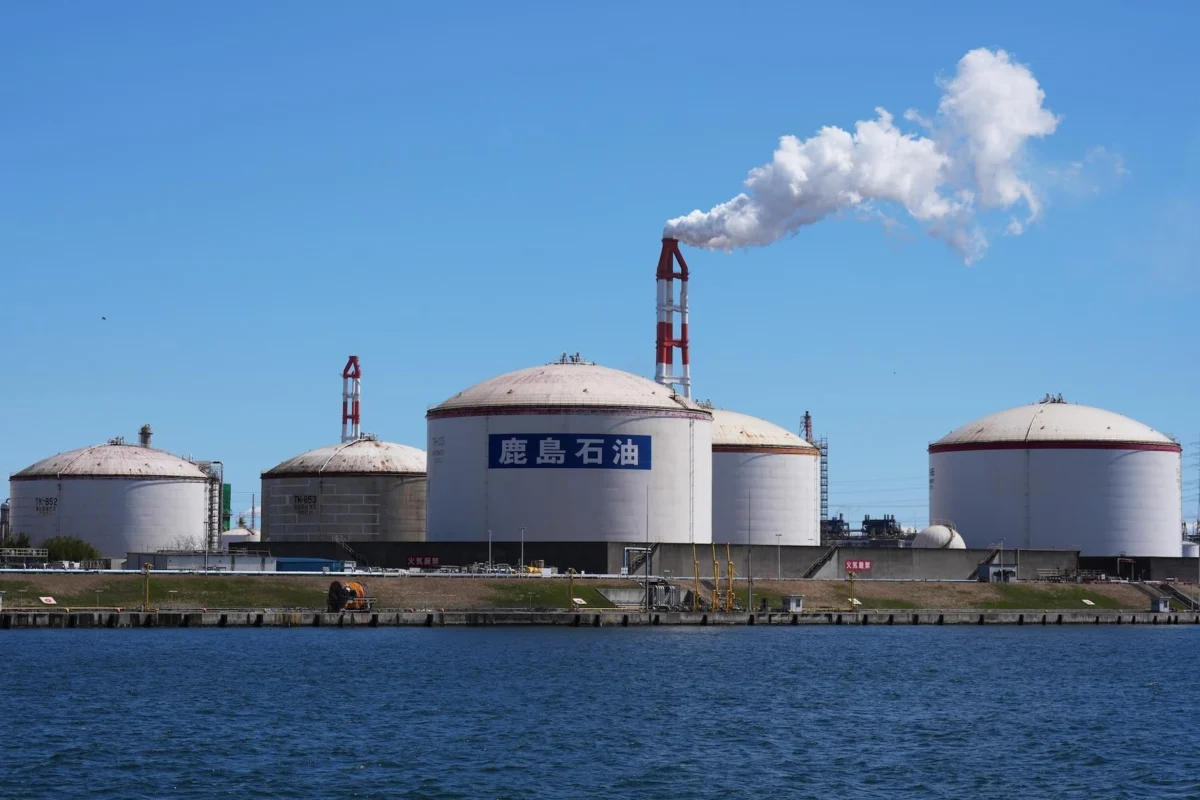
In a significant move to stabilize global energy flows and shield its economy from escalating geopolitical turmoil, Japan announced on Tuesday that it will commence the release of oil from its state-held strategic reserves beginning Thursday. This decisive action underscores the growing alarm within Tokyo regarding the impact of the ongoing U.S.-Iran conflict on oil supply chains and soaring prices. The decision was formalized during the inaugural meeting of relevant Cabinet members convened specifically to devise strategies for mitigating the economic fallout from the heightened tensions in the Middle East, a region critical to Japan’s energy security.
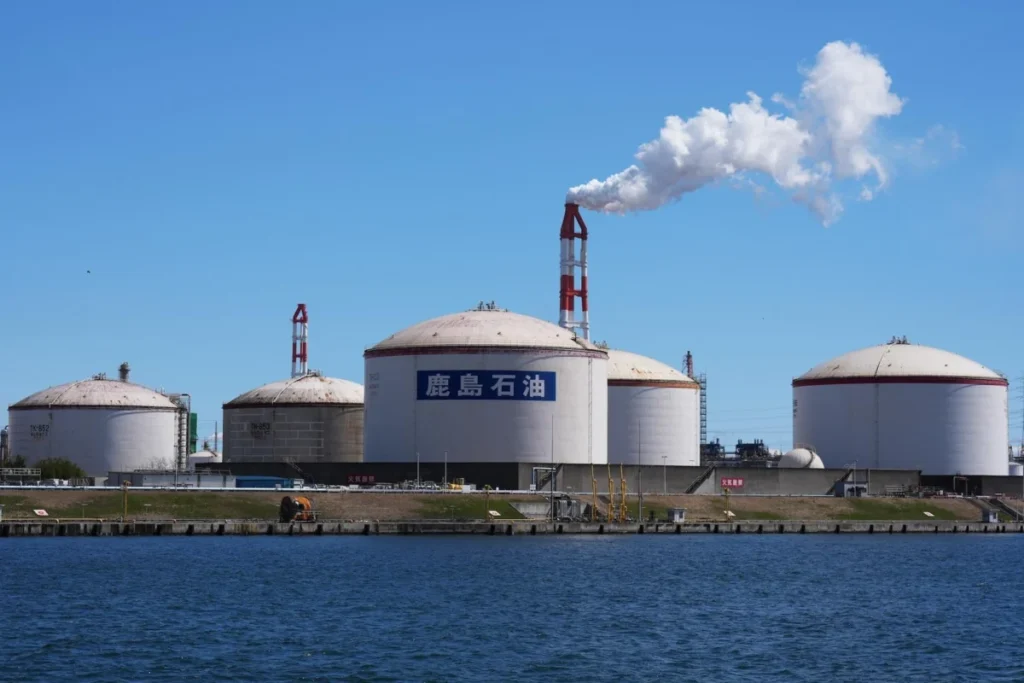
The government’s plan is comprehensive, involving the strategic sale of approximately 8.5 million kiloliters (roughly 53.5 million barrels) of oil. This substantial volume will be drawn from eleven designated storage facilities spread across the Japanese archipelago, according to disclosures from the Ministry of Economy, Trade and Industry. This initiative follows closely on the heels of a similar measure taken last week, wherein Japan began releasing oil from privately held stockpiles, signaling a multi-pronged approach to bolstering market supply.
Adding another layer to Japan’s energy strategy, Prime Minister Sanae Takaichi revealed that joint oil reserves, jointly managed with oil-producing nations in the Middle East and currently stored within Japan, are also slated to be tapped by the close of the current month. This collaborative effort highlights the interconnectedness of global energy security and Japan’s commitment to international cooperation in addressing supply challenges.
“The peace and stability of the Middle East are of paramount importance not only to Japan but to the entire international community,” Prime Minister Takaichi emphasized. She reiterated Japan’s unwavering commitment to pursuing “all necessary diplomatic efforts in close coordination with related countries,” with the overarching goal of “minimizing the impact on economic activities.” This diplomatic push reflects Japan’s proactive stance in navigating the complex geopolitical landscape and its dedication to fostering a stable international order.
Further underscoring Japan’s focus on energy security, Prime Minister Takaichi recounted her recent summit with U.S. President Donald Trump in Washington last Thursday. During their discussions, both leaders unequivocally affirmed the critical importance of ensuring stable energy supplies. A key component of this stability, they agreed, lies in guaranteeing the safe passage of vessels through the Strait of Hormuz, a vital chokepoint for a significant portion of global oil transportation. The strait’s strategic significance cannot be overstated, making any disruption to its flow a matter of global concern.
President Trump, in parallel, has expressed a desire for a peaceful resolution to the conflict, stating on Monday that there are “major points of agreement” in ongoing negotiations between the United States and Iran. However, these claims have been met with a denial from Tehran, which has asserted that it is not currently participating in any talks. The differing narratives surrounding the negotiation status add a layer of uncertainty to the diplomatic efforts, highlighting the complexities of de-escalating the situation.
During his remarks to reporters in Florida, President Trump also indicated that his son-in-law, Jared Kushner, and special envoy Steve Witkoff are actively involved in the negotiation process. This involvement suggests a high-level commitment from the U.S. administration to finding a diplomatic pathway out of the current impasse.
Japan’s profound reliance on Middle Eastern crude oil cannot be overstated. The nation imports over 90 percent of its oil from this region, with the vast majority transiting through the Strait of Hormuz. The recent closure of the strait by Iran, following the commencement of the conflict with U.S. and Israeli forces in late February, has had a direct and immediate impact on global crude oil prices, triggering a significant surge. This vulnerability makes Japan particularly sensitive to any geopolitical instability in the region.
The current measures by Japan are part of a broader international effort coordinated by the International Energy Agency (IEA). However, Japan has opted for a proactive, unilateral approach to supplement these collective actions. As announced by Prime Minister Takaichi on March 11, Japan would independently begin releasing oil from private-sector reserves, sufficient to cover fifteen days of consumption, starting from March 16. This was to be followed by the release of a month’s worth of oil from state-held reserves, demonstrating a commitment to both immediate and sustained supply stabilization.
Beyond the direct release of oil reserves, the ministerial meeting on Tuesday delved into a range of other critical economic considerations. Among the key issues examined were the potential ramifications for Japan’s domestic production of ethylene, a fundamental building block for a vast array of plastic products. Diversifying the nation’s crude oil suppliers was also a central theme, as Japan seeks to reduce its over-reliance on any single region and build greater resilience into its energy import strategy. This diversification effort is a long-term strategic imperative, aimed at hedging against future supply disruptions and price volatility.
In a significant fiscal move, the Japanese Cabinet also approved the utilization of 800.7 billion yen (approximately $5 billion) from reserves within the current fiscal year’s budget. A substantial portion of these funds, precisely 794.8 billion yen, has been earmarked for a dedicated fund to finance subsidies. The primary objective of these subsidies is to curb the escalating prices of gasoline, a consumer staple whose rising cost directly impacts households and businesses. This financial intervention underscores the government’s commitment to alleviating the burden on its citizens and ensuring the smooth functioning of the economy.
The urgency of these measures is highlighted by the recent surge in gasoline prices. Last week, the average price of regular gasoline reached an all-time high of 190.80 yen per liter. Through the implemented subsidies, the government aims to bring the national average retail price down to approximately 170 yen per liter, providing much-needed relief to consumers and businesses grappling with increased transportation costs.
In further diplomatic engagements on Tuesday, Prime Minister Takaichi held separate phone conversations with Malaysian Prime Minister Anwar Ibrahim and Marshall Islands President Hilda Heine. According to the Ministry of Foreign Affairs, both leaders agreed with Prime Minister Takaichi on the importance of collaborating towards an early de-escalation of the volatile situation in the Middle East. These bilateral discussions reflect Japan’s broader diplomatic outreach, seeking to build a consensus and foster a coordinated international response to the unfolding crisis. The engagement with leaders from Southeast Asia and the Pacific underscores the far-reaching implications of Middle Eastern instability on global trade and security, extending beyond the immediate concerns of major energy consumers.
The ongoing conflict in the Middle East, coupled with the precarious state of the Strait of Hormuz, has sent ripples throughout the global energy markets, prompting a concerted effort from major economies to ensure supply stability. Japan’s proactive release of strategic reserves, coupled with its diplomatic initiatives and fiscal support measures, demonstrates a robust and multi-faceted approach to navigating this challenging geopolitical and economic landscape. The nation’s reliance on imported energy necessitates a vigilant and adaptive strategy, and the current actions reflect a clear understanding of these vulnerabilities and a determination to mitigate their impact on its people and its economy.
© KYODO