


Japan Targets 100 Overtourism Hotspots by 2030 in Landmark Tourism Overhaul
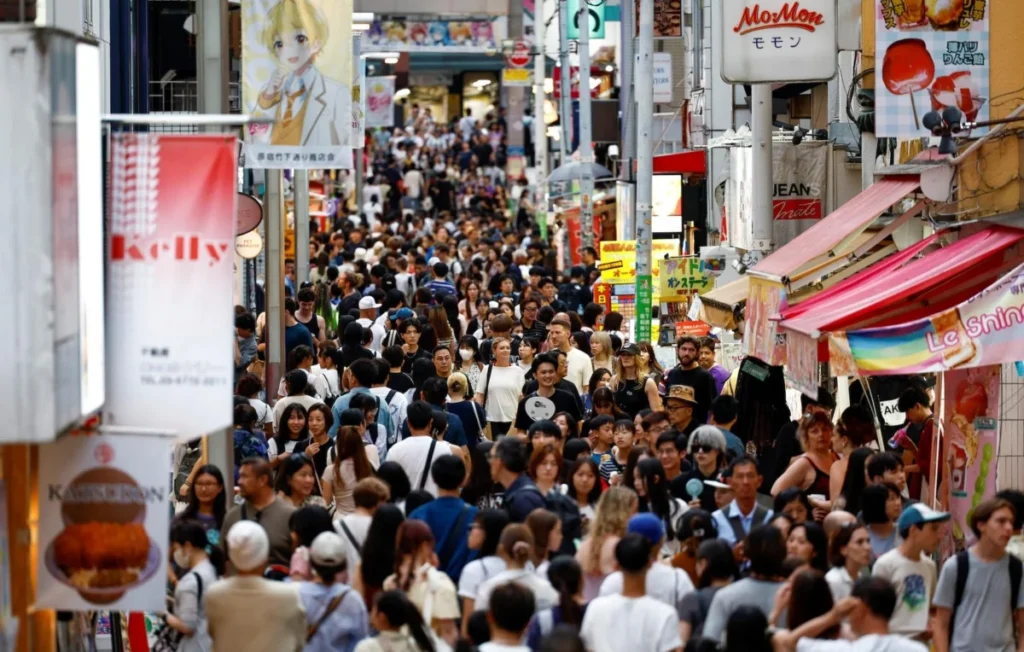
In a significant move to balance economic gains with resident well-being, the Japanese government has officially greenlit its ambitious next-generation tourism plan. This comprehensive strategy, approved by the cabinet on Friday, marks the first time a concrete numerical target has been set for addressing overtourism, aiming to implement measures in 100 designated areas by the year 2030. The plan acknowledges the growing strain on local communities in popular tourist destinations, where an influx of visitors is impacting the quality of life for residents, and underscores the necessity of robust strategies to manage inbound tourism, a vital engine for Japan’s economic prosperity.
Currently, 47 regions across Japan, including the culturally rich city of Kyoto, are actively engaged in initiatives designed to mitigate the challenges posed by an overwhelming number of tourists. These efforts are being developed with direct input from local residents, ensuring that the solutions are tailored to the specific needs and concerns of each community. The newly approved plan will guide Japan’s tourism sector for a five-year period, spanning from fiscal year 2026 to 2030. It reaffirms the government’s existing, bold objectives: to welcome 60 million inbound visitors annually and to see their total spending reach a staggering 15 trillion yen (approximately $94 billion) by the end of the decade.
The core of the overtourism strategy lies in a multi-faceted approach to manage visitor flows and alleviate congestion. Key measures will include efforts to ease traffic on local roads, a common pain point in heavily touristed areas, and the potential implementation of visitor number limitations in particularly sensitive locations. Beyond managing crowds, the plan emphasizes the strategic development of transportation infrastructure to actively encourage tourism in less-visited regional destinations. This aims to disperse visitors more evenly across the country, fostering economic growth in areas that have historically been overlooked by mass tourism.
Furthermore, the Japanese government is exploring the introduction of guidelines for public tourism facilities concerning dual pricing structures. This would allow for differential pricing for residents and inbound visitors, a measure intended to ensure that local communities can continue to access and enjoy their own public spaces and attractions without prohibitive costs, while still capitalizing on the economic potential of international tourism. The objective is to create a more equitable system that benefits both visitors and residents.
Beyond the critical issue of overtourism, the plan outlines several other ambitious goals designed to enhance the overall value and sustainability of Japan’s tourism industry. A key financial target is to increase the average per capita spending of inbound visitors from 229,000 yen in 2025 to 250,000 yen by 2030. This signifies a shift towards attracting visitors who are not only seeking experiences but are also willing to invest more in their Japanese sojourn, potentially through higher-value activities and longer stays. Concurrently, the government aims to significantly boost the number of repeat visitors, a testament to the enduring appeal of Japan as a travel destination. The target is to grow this segment from 27.61 million to an impressive 40 million by 2030, indicating a desire to cultivate a loyal base of international admirers.
The backdrop to these new targets is a remarkable surge in foreign tourism to Japan. In 2025, the nation is projected to have welcomed an estimated record of 42.7 million foreign visitors, with their collective spending also reaching an unprecedented all-time high of 9.5 trillion yen. The momentum is palpable, with February alone setting a new monthly record for inbound tourists, estimated at around 3.47 million. This robust recovery and growth underscore the importance of proactive management to ensure that this economic boon does not come at the expense of the very fabric of Japanese society and its natural and cultural heritage.
The economic implications of tourism for Japan are profound. As a nation that has historically relied on its manufacturing and export sectors, tourism has emerged as a critical pillar of its economic strategy, particularly in the wake of demographic shifts and evolving global trade dynamics. The influx of foreign currency not only contributes to the nation’s balance of payments but also stimulates domestic industries, from hospitality and retail to transportation and agriculture. For regional economies, particularly those grappling with depopulation and aging populations, tourism offers a vital lifeline, creating jobs and revitalizing local businesses. The government’s recognition of inbound tourism as a “very important driver for the nation’s economy” is therefore not hyperbole, but a strategic imperative.
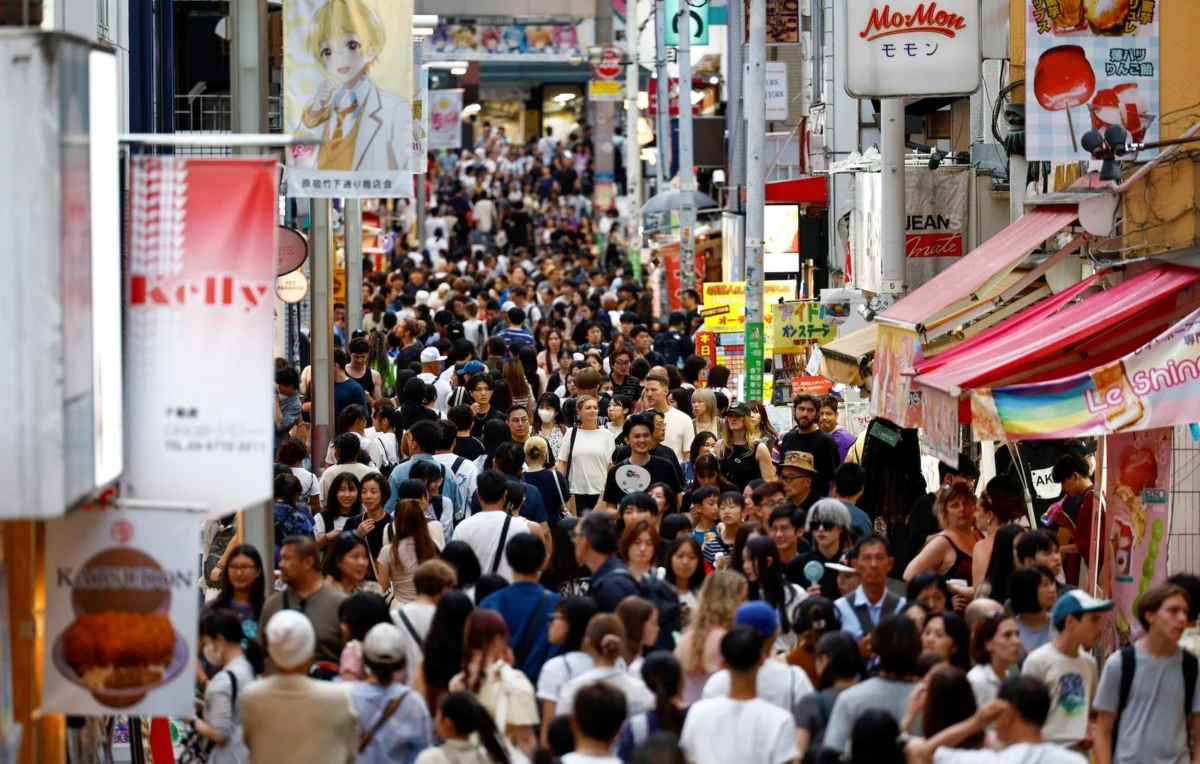
However, the rapid success of Japan’s tourism promotion has also brought its challenges into sharp relief. Overtourism, once a concern primarily for a few iconic locations, has now become a more widespread phenomenon. Cities like Kyoto, with its ancient temples and traditional geisha district, have grappled with issues such as overcrowded streets, the strain on public transportation, and the commodification of cultural experiences. The picturesque village of Shirakawa-go, a UNESCO World Heritage site, has also faced intense visitor pressure. The concern is not merely about inconvenience; it extends to the potential erosion of local culture, the impact on the environment, and the fundamental right of residents to enjoy their daily lives without constant disruption.
The government’s new plan attempts to address these complex issues through a balanced approach. The target of 100 areas by 2030 signifies a broad-ranging commitment to proactively identify and manage potential hotspots before they reach a crisis point. This preventative strategy is crucial. By implementing measures early, Japan can aim to integrate tourism growth more harmoniously with local development, rather than reacting to overwhelming problems after they have taken root. This proactive stance is a significant evolution from earlier tourism policies that were primarily focused on increasing visitor numbers.
The emphasis on improving transportation capabilities to draw people to regional destinations is a particularly strategic element. Japan possesses an excellent public transportation network, but its reach and frequency can vary significantly outside major urban centers. By investing in and promoting better connectivity to less-explored regions, the government can achieve a dual objective: alleviating pressure on popular sites and simultaneously fostering economic opportunities in underserved areas. This could involve developing new high-speed rail lines, improving local bus services, or even encouraging the use of smaller airports to connect tourists to more remote prefectures. The aim is to showcase the diversity of Japan, from its rugged northern landscapes to its subtropical southern islands, and to ensure that the economic benefits of tourism are shared more equitably across the archipelago.
The consideration of dual pricing for public tourism facilities is another policy that warrants closer examination. While it has the potential to address issues of affordability for residents, it also raises questions about fairness and potential discrimination. International best practices in this area will be crucial. The objective is likely to ensure that residents, who are the stewards of these cultural and natural assets, have continued access and that their daily lives are not unduly impacted by the economic demands of tourism. However, the implementation will need to be carefully managed to avoid alienating visitors or creating unintended negative perceptions.
The plan’s focus on increasing per capita spending is also indicative of a strategic shift. Rather than solely chasing volume, Japan appears to be prioritizing “quality tourism,” attracting visitors who are interested in deeper, more authentic experiences and are willing to spend accordingly. This could involve promoting niche tourism sectors such as luxury travel, cultural immersion programs, adventure tourism, or specialized culinary tours. By encouraging longer stays and higher spending, Japan can maximize the economic benefits of each visitor while potentially reducing the overall number of people needed to achieve its revenue targets, thereby easing some of the pressure on infrastructure and local communities.
The ambition to significantly increase the number of repeat visitors highlights a desire to build long-term relationships with international travelers. This demographic often seeks out more in-depth experiences and is more likely to venture off the beaten path. By fostering a positive and memorable experience for first-time visitors, Japan aims to cultivate a loyal following who will return to explore different regions, discover new attractions, and deepen their appreciation for the country’s rich culture and diverse landscapes. This is a sustainable approach to tourism growth, as repeat visitors are often more environmentally conscious and respectful of local customs.
The context of Japan’s economic landscape cannot be overstated when considering this tourism plan. With an aging population and a declining birthrate, the nation faces demographic challenges that impact its workforce and economic growth potential. Inbound tourism provides a crucial counterweight, injecting vitality and revenue into the economy. The government’s commitment to achieving these ambitious visitor and spending targets, even while simultaneously addressing overtourism, demonstrates a sophisticated understanding of the delicate balancing act required. It suggests a recognition that sustainable tourism is not just about numbers, but about fostering a symbiotic relationship between visitors, residents, and the environment.
The success of this plan will ultimately hinge on its effective implementation and the continued collaboration between national and local governments, the private sector, and importantly, the residents of Japan. The inclusion of residents’ feedback in the development of overtourism measures is a promising sign. By empowering local communities and ensuring their voices are heard, Japan can strive to create a tourism model that is not only economically beneficial but also socially responsible and culturally enriching for all involved. The coming years will be a critical test for Japan’s ability to manage its newfound tourism success with foresight and a deep commitment to preserving its unique heritage for future generations.
© KYODO