



Japan’s Fuel Subsidies Drive Down Gas Prices as Government Steps In to Ease Consumer Burden
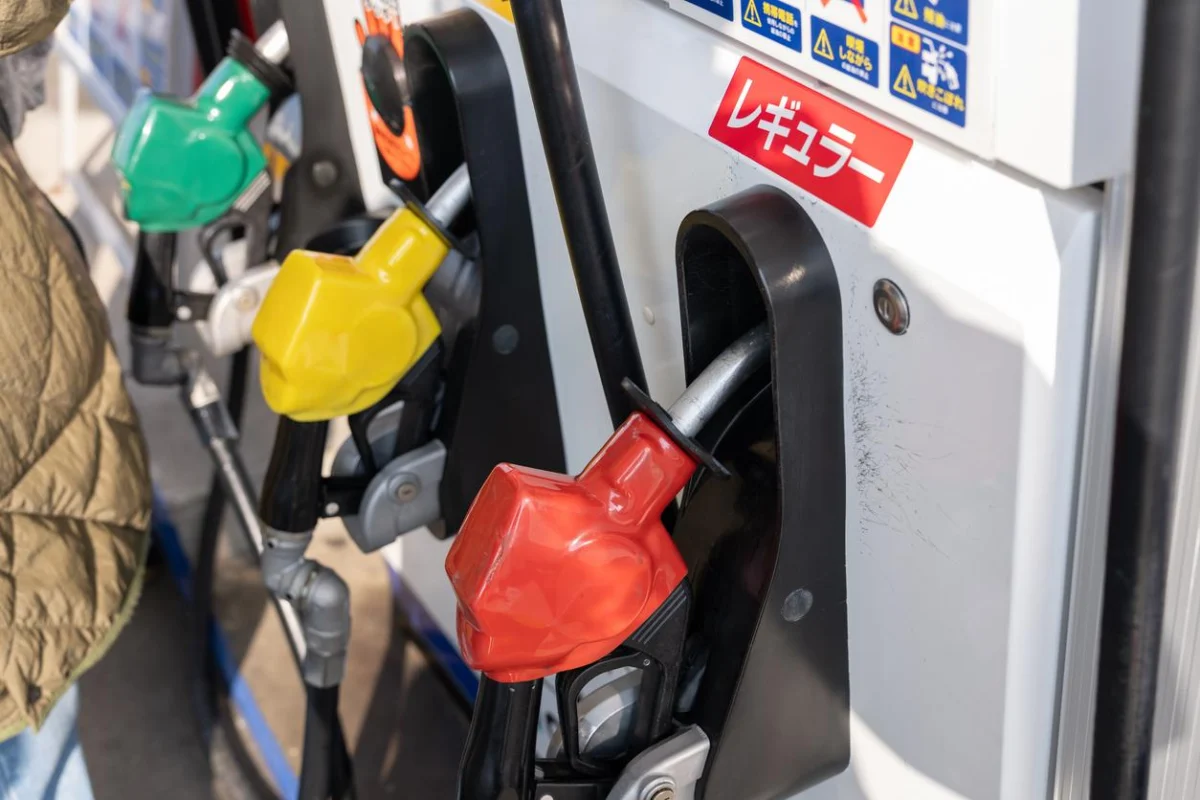
Tokyo, Japan – In a significant shift for Japanese consumers, the average retail price of gasoline has seen a notable decline, falling to 177.70 yen per liter. This marks a welcome decrease from the record-high 190.80 yen per liter recorded just last week. The government’s decisive action to reintroduce and bolster fuel subsidies, following a surge in crude oil prices exacerbated by geopolitical tensions in the Middle East, appears to be effectively cushioning the impact on household budgets.
The data, released by the Ministry of Economy, Trade and Industry (METI) on Wednesday, indicates that the average price as of Monday represented the first drop in six weeks. This downturn precedes the government’s decision to restart state subsidies aimed at capping national gasoline prices at approximately 170 yen per liter. The intervention is a clear signal of the administration’s commitment to stabilizing the cost of essential fuels and alleviating inflationary pressures on citizens.
The current price drop is a direct consequence of the government’s financial support, which for the week ending Wednesday was set at 30.20 yen per liter of regular gasoline. Looking ahead, the subsidy amount is set to increase significantly, reaching 48.10 yen per liter for the upcoming week. This represents the highest level of support since the subsidy program was initially implemented in January 2022, underscoring the urgency and scale of the government’s response to rising fuel costs.
While the immediate impact of the subsidies is evident in the declining pump prices, METI has yet to specify a timeline for their eventual cessation. This ambiguity leaves room for speculation about the long-term strategy for managing fuel costs, but for now, the focus remains on providing immediate relief. The decision to continue and enhance these subsidies reflects a broader economic strategy to maintain stability and support consumer spending power amidst global economic uncertainties.
In a decisive move to secure the funding for these crucial relief measures, the Japanese Cabinet approved on Tuesday the allocation of 794.8 billion yen from the current fiscal year’s budget reserves. This substantial financial commitment will be channeled into a dedicated fund established to finance the subsidies, ensuring their continued operation and effectiveness in curbing the rise in fuel prices. The proactive allocation of funds demonstrates a robust commitment from the government to address the economic challenges posed by volatile energy markets.
The positive impact of these measures is being felt across the nation, with gasoline prices declining in 46 out of Japan’s 47 prefectures as of Monday, according to METI data. This widespread reduction in prices suggests a uniform application of the subsidy program and a successful effort to distribute its benefits broadly, reaching consumers in both urban centers and more remote regions. The uniformity of the price reductions across such a large geographical area is a testament to the program’s design and implementation.
Beyond gasoline, the government’s subsidy program extends its support to other vital fuels, including diesel and kerosene. This comprehensive approach ensures that the impact of rising energy costs is mitigated across various sectors and for a wider range of consumers and businesses. The inclusion of these fuels highlights the government’s understanding of the interconnectedness of energy prices and their ripple effect on the broader economy and daily life.
The price of diesel fuel has seen a significant reduction, shedding 12.40 yen from the previous week to stand at 166.0 yen. Similarly, the cost of kerosene, a crucial heating fuel for many Japanese households, has also decreased substantially. The price for a standard 18-liter home storage tank has declined by 154 yen, bringing the cost down to 2,620 yen. This reduction in kerosene prices is particularly welcome as Japan navigates its cooler months, offering much-needed relief for household energy expenses.
The recent surge in global oil prices, which directly impacts the cost of gasoline and other fuels in Japan, was largely attributed to geopolitical developments, most notably the conflict involving Iran. Historically, disruptions to oil supply or heightened tensions in the Middle East have led to significant volatility in crude oil markets, with ripple effects felt by importing nations like Japan. The war’s impact on crude oil prices created a challenging economic environment, prompting the government to implement robust measures to shield its citizens from the full brunt of these international market fluctuations.
The subsidy program, first introduced in January 2022, was initially designed as a temporary measure to mitigate the impact of rising energy costs. However, its reintroduction and subsequent augmentation underscore the persistent challenges posed by global energy markets. The program operates by providing direct financial support to oil wholesalers, who are then obligated to pass on the savings to consumers in the form of lower retail prices. This mechanism ensures that the intended benefits of the subsidy reach the end-user, providing tangible relief at the pump and in home heating bills.
The decision to tap into budget reserves for this initiative highlights the government’s strategic approach to fiscal management. By utilizing existing reserves, the administration can respond swiftly to emergent economic needs without necessarily necessitating new tax increases or significant budget reallocations that could have broader economic implications. This flexibility allows for a more agile response to dynamic economic conditions, such as the volatile energy markets.
The sustained high price of oil in recent times has been a growing concern for Japanese households and businesses alike. As a nation heavily reliant on imported energy, Japan is particularly susceptible to global price shocks. The economic implications of high fuel costs extend beyond individual spending; they affect transportation expenses for businesses, manufacturing costs, and ultimately, the prices of a wide array of goods and services. Therefore, measures to stabilize fuel prices are not just about easing immediate financial pressure but also about maintaining broader economic stability and competitiveness.
The government’s intervention through fuel subsidies is a complex economic tool with potential advantages and disadvantages. On the positive side, it provides immediate relief to consumers, boosts consumer confidence, and can help to curb inflation. It also supports industries that are heavily reliant on transportation, such as logistics and retail. However, critics sometimes point to the fiscal cost of such subsidies and the potential for them to distort market signals in the long term, potentially delaying a transition to more sustainable energy sources if they mask the true cost of fossil fuels.
Despite these considerations, the current economic climate, characterized by post-pandemic recovery efforts and ongoing geopolitical uncertainties, has necessitated a proactive approach. The government’s willingness to allocate significant financial resources demonstrates a commitment to prioritizing the economic well-being of its citizens. The success of these subsidies will be closely monitored, with ongoing assessments likely to inform future policy decisions regarding energy pricing and support mechanisms.
The average price of regular gasoline in Japan has historically fluctuated based on international crude oil prices, domestic supply and demand, and government policies. The current subsidy program represents a significant departure from a purely market-driven approach, reflecting a strategic decision to actively manage fuel costs during a period of heightened global economic uncertainty. This intervention is a clear indication of the government’s prioritization of consumer welfare and economic stability in the face of external pressures.
The impact of these subsidies is not limited to the immediate reduction in prices. By stabilizing fuel costs, the government aims to prevent a domino effect of rising prices across the economy. Higher transportation costs, for instance, can lead to increased prices for food, manufactured goods, and services. By capping these costs, the subsidies can help to maintain the affordability of everyday necessities, thereby supporting households with moderate to lower incomes who are often most vulnerable to price increases.
Looking forward, the Japanese government faces the ongoing challenge of balancing fiscal responsibility with the need to support its citizens and economy. The decision on when and how to phase out the subsidies will be a critical one, requiring careful consideration of economic indicators, global energy market trends, and domestic inflation levels. The success of the current intervention, however, provides a valuable precedent for future responses to similar economic challenges, showcasing a proactive and supportive stance towards its populace.
The Ministry of Economy, Trade and Industry’s role in monitoring and managing these subsidies is crucial. Their data collection and analysis provide the basis for informed policy decisions, ensuring that the program is effectively targeted and implemented. The transparency in reporting price changes and subsidy amounts helps to build public trust and understanding of the government’s efforts to manage the economy.
The current situation in Japan underscores a global trend of governments stepping in to mitigate the impact of volatile energy prices. As economies worldwide grapple with inflation and supply chain disruptions, the role of government intervention in stabilizing essential commodity prices becomes increasingly prominent. Japan’s approach, through its robust subsidy program, offers a case study in how a developed nation is navigating these complex economic waters to protect its citizens and foster economic resilience.
The inclusion of diesel and kerosene in the subsidy program reflects a nuanced understanding of how energy costs affect different segments of society. Diesel is vital for the transportation of goods and for industries such as construction and agriculture, while kerosene remains a primary heating source for many households, particularly in colder regions. By extending support to these fuels, the government ensures a broader and more equitable distribution of relief, addressing the diverse needs of the Japanese population.
The financial commitment of nearly 800 billion yen from budget reserves is a substantial investment, signaling the government’s recognition of the severity of the energy cost challenge. This proactive allocation of funds demonstrates a commitment to long-term economic stability, aiming to prevent short-term shocks from derailing broader economic recovery efforts. The use of reserves also indicates a strategic approach to fiscal management, allowing for flexibility in responding to unforeseen circumstances without immediately impacting the core budget.
The positive reception to the news of falling gas prices is likely to be widespread. For commuters, the reduction in fuel costs translates to more disposable income. For families, it means lower expenses for travel and heating. For businesses, it can lead to reduced operational costs, potentially translating into more competitive pricing for goods and services. This collective benefit underscores the significance of the government’s intervention in the current economic landscape.
The ongoing global geopolitical landscape continues to present challenges for energy markets. Fluctuations in crude oil prices, influenced by factors such as international relations, production levels, and global demand, are a constant consideration for policymakers. Japan, as a major energy importer, remains particularly sensitive to these dynamics. The current subsidy program is a direct response to these external pressures, aiming to create a buffer against the unpredictable nature of global energy markets.
The effectiveness of the subsidy program will ultimately be judged by its sustained impact on consumer prices and its contribution to overall economic stability. The government’s commitment to monitoring the situation and adjusting its policies as needed will be crucial in navigating the complex and often volatile energy market. The current data, however, offers a promising outlook, indicating that the intervention is yielding positive results for Japanese consumers and the broader economy.
© KYODO