



Iran’s Nuclear Infrastructure and Israeli Research Sites Targeted as Regional Conflict Escalates
In a dramatic escalation of the ongoing regional conflict, Iran launched strikes against two communities situated near Israel’s primary nuclear research facility late Saturday, resulting in severe injuries to several individuals. This retaliatory action followed closely on the heels of an earlier strike on Iran’s main Natanz nuclear enrichment site, marking a dangerous new phase in the war, now entering its fourth week.
The targeting of Israel’s nuclear research center represents an unprecedented development in the conflict, highlighting the increasingly perilous trajectory of the hostilities. The Israeli military acknowledged that its air defenses were unable to intercept the missiles that struck the southern Israeli cities of Dimona and Arad. Emergency services reported dozens of casualties, underscoring the gravity of the attacks.
Speaking to the persistent nature of the conflict, Israel’s Chief of Staff, General Eyal Zamir, stated, “The war is not close to ending.” Meanwhile, Iran’s health ministry, as reported by state broadcaster, indicated that over 1,500 lives have been lost within the country as a result of the ongoing hostilities.
Adding another layer of complexity and concern, Iran also targeted the joint UK-U.S. military base on Diego Garcia, an island in the Indian Ocean approximately 4,000 kilometers away. This strike suggests that Tehran may possess missiles with a greater range than previously acknowledged, or it could indicate the utilization of its burgeoning space program for improvised launches, a capability that has raised significant international alarm.
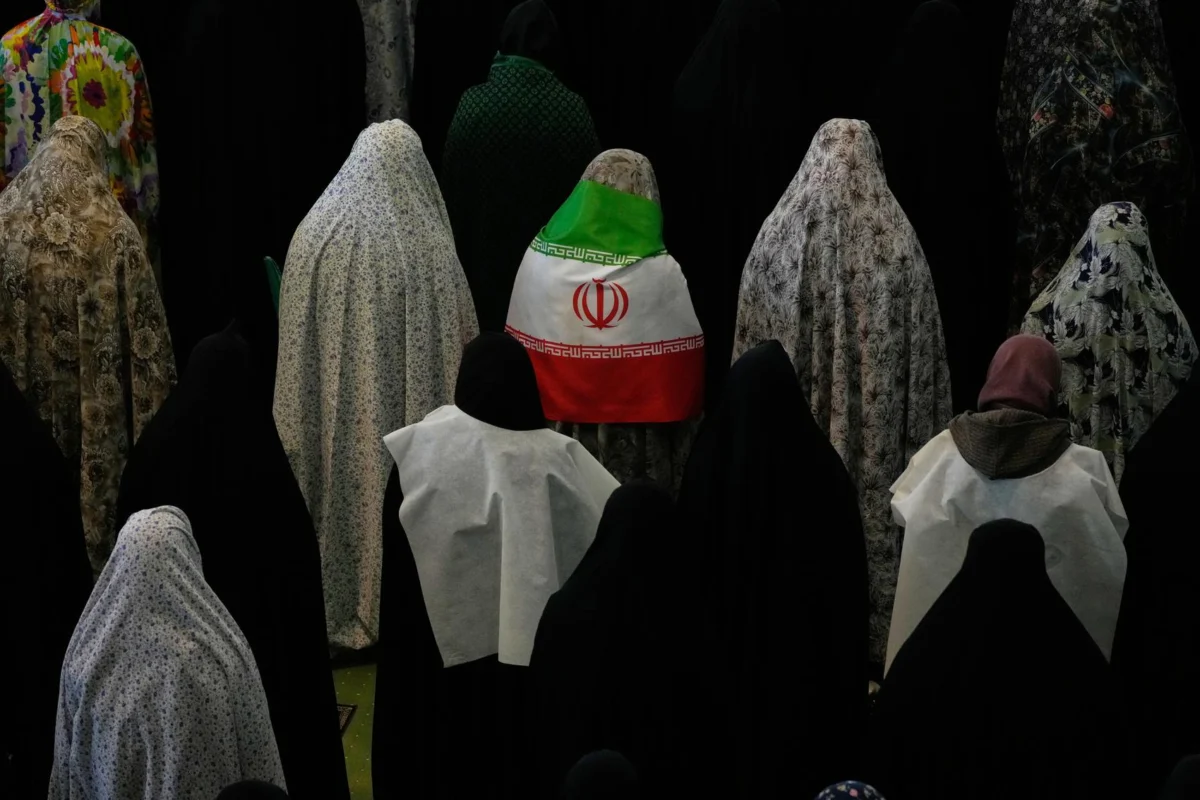
Simultaneously, residents in Iran’s capital reported experiencing intense airstrikes as the nation observed the conclusion of the holy month of Ramadan. The dual nature of these attacks—both offensive and defensive in their implications—underscores the intricate and volatile geopolitical landscape that has emerged.
The strategic objectives behind the U.S. and Israeli involvement in this conflict have been articulated with varying rationales. Initially, there were hopes of fomenting an uprising that would lead to the overthrow of Iran’s leadership. More recently, the focus has shifted to dismantling Iran’s nuclear and missile programs, as well as curtailing its support for regional armed proxies. However, there have been no discernible signs of a widespread uprising within Iran, and stringent internet restrictions have significantly limited the flow of information from the country, making an independent assessment of the internal situation challenging.
The repercussions of this conflict are extending far beyond the Middle East, contributing to a global rise in food and fuel prices. The interconnectedness of the global economy means that regional instability is having a tangible impact on households worldwide.
The extent of damage sustained by Iran from the U.S. and Israeli strikes, which commenced on February 28, remains unclear. Furthermore, questions persist regarding the ultimate authority and control within Iran’s leadership structure. Supreme Leader Ayatollah Mojtaba Khamenei has not made a public appearance since his appointment to the position, adding to the uncertainty surrounding Iran’s decision-making processes.
Israel Denies Responsibility for Attack on Natanz Nuclear Facility
Official Iranian sources, including the judiciary’s Mizan news agency, reported that the Natanz nuclear facility, located roughly 220 kilometers southeast of Tehran, sustained no damage or leakage following the strike. This facility is a cornerstone of Iran’s uranium enrichment program.
The United Nations nuclear watchdog, the International Atomic Energy Agency (IAEA), has previously noted that a substantial portion of Iran’s enriched uranium stockpile, estimated at approximately 970 pounds (440 kilograms), is stored elsewhere, potentially at its Isfahan facility, which may have been impacted by earlier events. The IAEA stated via its X platform that it was actively investigating the incident at Natanz.
In response to inquiries about the Natanz strike, Israel’s military issued a statement indicating they were “not aware” of any operation conducted by them at the site. The Pentagon has declined to comment on the matter. Russia’s Foreign Ministry spokesperson, Maria Zakharova, expressed grave concern, warning that such strikes pose a “real risk of catastrophic disaster throughout the Middle East.”
Iran’s subsequent retaliation, targeting Israel’s nuclear program, is a significant development given Israel’s widely held, though unconfirmed, status as the sole nation in the Middle East possessing nuclear weapons. Israeli leaders consistently refuse to either confirm or deny the existence of their nuclear arsenal.
The IAEA has also reported via X that it has not received any notifications regarding damage to Israeli nuclear facilities or any detected abnormal radiation levels following Iran’s reported strike.
It is worth noting that the Natanz facility has been the subject of previous attacks. It was targeted in the initial week of the current conflict and also during a 12-day war that occurred last June, indicating a sustained pattern of attention on Iran’s nuclear infrastructure.
U.S. Utilizes Diego Garcia Base to Safeguard Strait of Hormuz
British officials have refrained from providing specific details regarding the unsuccessful strike targeting the Diego Garcia base on Friday. The UK’s Ministry of Defence characterized Iran’s actions as “lashing out across the region,” suggesting a pattern of aggressive but potentially uncoordinated responses.
The precise proximity of the missiles to the island remains undisclosed. Iran had previously maintained that its missile range was limited to below 2,000 kilometers. However, this recent event challenges that assertion.
Military analysts suggest that Iran may have repurposed its space launch vehicles for improvised ballistic missile launches. Steve Prest, a retired Royal Navy commodore, commented on this possibility, stating, “If you’ve got a space program, you’ve got a ballistic missile program,” highlighting the inherent overlap in technology and capability.
Contrasting with some assessments, Israel’s Chief of Staff reported that Iran had launched “a two-stage intercontinental ballistic missile,” a claim that, if verified, would signify a substantial advancement in Iran’s missile capabilities. No official statement from Iran regarding the nature of the missile has been released.
While Britain has not directly participated in U.S.-Israeli offensive operations, it has permitted U.S. bombers to utilize its bases for strikes against Iranian missile sites. On Friday, the UK government announced that Diego Garcia could be employed by bombers targeting sites used to launch attacks against shipping in the Strait of Hormuz, underscoring the strategic importance of the base and the broader maritime security concerns.
Global Pressure Mounts to Restore Maritime Trade Routes
Amidst Iran’s continued threats to shipping in the Strait of Hormuz, a critical global chokepoint for oil transit, the United Arab Emirates has joined 21 other nations, including the United Kingdom, Germany, France, and Japan, in expressing their “readiness to contribute to appropriate efforts to ensure safe passage.” This broad international coalition signifies a unified stance against maritime disruption.
In a move aimed at easing market pressures, the Trump administration announced a temporary lifting of sanctions on Iranian oil that was already loaded onto ships as of Friday. However, this measure is not expected to increase overall oil production, which remains a primary driver of the surge in global prices. Iran’s oil ministry, which has navigated sanctions for years, responded that it “essentially has no crude oil left in floating storage,” suggesting the impact of this sanction relief may be limited.
Admiral Brad Cooper, the head of U.S. Central Command, asserted that Iran’s capacity to threaten vessels in the Strait of Hormuz has been “degraded.” He detailed that 5,000-pound (2,270-kilogram) bombs were deployed earlier in the week against an underground facility along Iran’s coast used for storing anti-ship cruise missiles and mobile missile launchers. This indicates a concerted effort by U.S. forces to neutralize Iranian offensive capabilities in the region.
In a further show of military readiness and deterrence, the U.S. is deploying three additional amphibious assault ships and approximately 2,500 more Marines to the Middle East, according to an official who spoke to The Associated Press on condition of anonymity. Two other U.S. officials corroborated the deployment of ships, though their specific destinations were not disclosed, highlighting the fluid and sensitive nature of military operations in the region.
Reports from Gulf countries indicate a continued pattern of attacks. A missile alert was issued in Dubai on Saturday night, and Saudi Arabia announced the downing of 20 drones in its eastern region, an area home to significant oil infrastructure, underscoring the persistent threat to vital energy assets.
The human cost of this conflict is also mounting. In Israel, 15 individuals have been killed by Iranian missile strikes, with an additional four fatalities reported in the occupied West Bank. The U.S. military has also suffered casualties, with at least 13 service members killed, in addition to well over a dozen civilian deaths reported in Gulf nations. These figures represent a grim toll of lives lost and communities impacted by the escalating violence.
Israeli Troops and Hezbollah Militants Clash in Southern Lebanon
The Israeli military announced it was conducting a “targeted ground operation” in southern Lebanon, reporting that at least four militants were killed. Hezbollah subsequently confirmed that its fighters engaged Israeli troops in the southern village of Khiam, indicating a direct confrontation between the two forces.
According to the Lebanese government, Israeli strikes targeting Hezbollah have resulted in the deaths of over 1,000 individuals and displaced more than one million people. The conflict has also seen Hezbollah’s civilian infrastructure become a target, further exacerbating the humanitarian crisis in Lebanon and highlighting the widespread impact of the hostilities beyond the immediate battlefield.