


Trump’s Peace Pledges Crumble as Commander-in-Chief Embraces Aggression: From “No New Wars” to Strikes on Iran and Beyond
In a stark contrast to his carefully cultivated image as a peacemaker, President Donald Trump, once a vocal critic of foreign entanglements, has pivoted to a more aggressive foreign policy stance, ordering significant military actions against Iran and other adversaries. This dramatic shift has surprised many, given his consistent campaign promises of “America First” and his self-proclaimed title as a “President of Peace.”
The evolution of Trump’s foreign policy can be traced back to his early pronouncements. A 2011 clip, resurfaced on a U.S. late-night television show, featured a businessman, Donald Trump, predicting that then-President Barack Obama “will start a war with Iran because he has absolutely no ability to negotiate.” Fast forward nearly fifteen years, and Trump, now in his second presidential term, has indeed initiated substantial military operations against Iran following a lack of breakthroughs in diplomatic talks. This action stands in direct opposition to his repeated boasts of being a dealmaker adept at ending global conflicts and his lamentations over being overlooked for the Nobel Peace Prize.
Trump’s ascent to the presidency in 2016 was significantly propelled by his rejection of the protracted wars in Iraq and Afghanistan, which he characterized as costly and ineffective. On the campaign trail in 2024, he frequently highlighted his administration’s success in avoiding the initiation of “new wars.” Upon returning to the White House, he launched scathing critiques of “so-called nation-builders,” whom he accused of causing more destruction than progress in various nations.
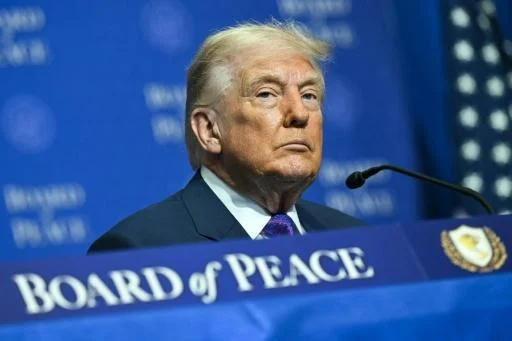
Reflecting this supposed commitment to peace, Trump earlier this year convened the inaugural meeting of his “Board of Peace.” Initially conceived to support a Gaza ceasefire, this body has reportedly evolved into a quasi-United Nations, incorporating leaders from several authoritarian regimes. His perceived dedication to peace was further underscored when he accepted a specially created peace award from FIFA, the international governing body of soccer, after the Nobel Committee bypassed him.
However, the second year of Trump’s second term has witnessed a conspicuous embrace of military action, alongside his pronouncements on peace. In less than two months, the president who previously shied away from advocating “regime change” has seemingly reveled in military operations that led to the downfall of Venezuela’s president and the elimination of Iran’s supreme leader. This aggressive posture also includes a public threat to militarily seize Greenland from Denmark, a NATO ally.
This sudden turn of events has prompted bewilderment among foreign policy experts. Richard Haass, a former diplomat from the George W. Bush administration, described the situation as a “major surprise.” In a newsletter, Haass noted, “This is an administration that has shown no interest in regime change or democracy promotion elsewhere. Why here and now is a mystery as there is no clear evidence that the Iranian regime (however unpopular and weakened) is on the edge of collapse.”
Trump, the scion of a real estate empire, himself avoided military service during the Vietnam War. Despite this personal history, he has long displayed a fascination with military displays, often associating with soldiers and visiting military installations. He frequently extols the prowess of the U.S. military, including his administration’s past strikes on Iran’s nuclear facilities. He has also boasted about revitalizing America’s armed forces, commissioning new battleships that critics have argued would be vulnerable to missile attacks.
The crucial question now is the impact of Trump’s aggressive military actions on American voters, particularly those within his base who were drawn to his promise of ending “forever wars.” The initial public reaction to the strikes against Iran, as indicated by a Reuters/Ipsos poll released on Sunday, suggests a divided electorate. Only one in four Americans approved of the attacks, while 43 percent disapproved. The announcement of the first three U.S. service members killed in action against Iran is likely to be a significant factor in public opinion and could test the nation’s willingness to tolerate casualties.
These military engagements could also play a pivotal role in the upcoming November midterm elections. Republicans are already anticipating potential losses, with concerns about retaining control of the House of Representatives. Trump’s standing in the polls has been significantly impacted by voter concerns over the cost of living, an issue that could be exacerbated by the Iran strikes if oil prices surge.
The reaction from Trump’s loyal base is a particular point of concern. Marjorie Taylor Greene, a prominent figure within the “Make America Great Again” movement who has had a falling out with Trump, has publicly denounced the Iran attack as a “lie.”
Despite these criticisms and the apparent departure from his previous stances, Trump has openly expressed his enjoyment of commanding the world’s most powerful military. During a White House visit by the Florida Panthers ice hockey team in January, Trump lightheartedly remarked on their physical prowess and collective strength. He then juxtaposed this with his own power, stating, “But I got power too, it’s called the United States military.” This sentiment underscores a perceived satisfaction in wielding military might, a stark contrast to his earlier rhetoric about avoiding conflict.
The historical context of Trump’s foreign policy views reveals a complex evolution. During his initial presidential campaign, he was a vocal critic of multilateral agreements and international institutions, often questioning the value of traditional alliances. He frequently advocated for a more transactional approach to foreign policy, suggesting that alliances should be based on direct benefits to the United States. This “America First” philosophy resonated with a segment of the electorate weary of prolonged military interventions and perceived global overreach.
His rhetoric often painted a picture of a world stage populated by self-serving actors and inefficient international bodies. He championed the idea of renegotiating trade deals and demanding greater contributions from allies to collective security. The concept of “nation-building” was particularly anathema to him, as he viewed it as a costly and ultimately futile endeavor that drained American resources and endangered American lives without yielding tangible strategic benefits.
The appointment of his administration officials also reflected this approach. Key figures were often selected for their willingness to challenge established foreign policy norms. This included a mix of seasoned diplomats and political appointees who shared Trump’s skepticism of conventional wisdom. However, this also led to significant turnover within the State Department and other foreign policy agencies, as individuals who did not align with Trump’s vision were either sidelined or departed.
The decision to withdraw the United States from the Iran nuclear deal, officially known as the Joint Comprehensive Plan of Action (JCPOA), in 2018 was a significant early move that signaled a departure from the Obama administration’s diplomatic approach. Trump argued that the deal was flawed and that Iran was not adhering to its spirit, despite international inspectors confirming compliance. The subsequent imposition of “maximum pressure” sanctions aimed to cripple Iran’s economy and force it to negotiate a new, more stringent agreement. This policy, however, did not lead to the desired diplomatic breakthrough and instead contributed to heightened regional tensions.
The current military actions against Iran, while seemingly a departure from his non-interventionist campaign promises, can also be viewed through the lens of his administration’s established policies. The killing of Iran’s Quds Force commander, Qassem Soleimani, in a drone strike in January 2020, was presented as a necessary measure to prevent imminent attacks on American interests. This action, like the recent large-scale strikes, was framed as a defensive response to Iranian aggression.
Similarly, the push for regime change in Venezuela, while not explicitly a military invasion, involved significant diplomatic and economic pressure, coupled with tacit support for opposition leader Juan Guaidó. The eventual removal of Nicolás Maduro from power, if it were to occur through internal collapse or a negotiated settlement, would be seen as a victory for Trump’s assertive foreign policy.
The narrative of Trump as a victim of unfair treatment, particularly concerning the Nobel Peace Prize, has been a recurring theme. He has frequently pointed to the awards given to other leaders, suggesting a political bias against him. This perception of being unfairly judged has likely contributed to his willingness to pursue policies that he believes will ultimately vindicate his approach, even if they involve military force.
The “Board of Peace” initiative, while seemingly benign, also reflects a broader trend in Trump’s foreign policy, which has been characterized by a willingness to engage with leaders who may not align with democratic values. The inclusion of authoritarians in a body ostensibly dedicated to peace raises questions about the administration’s commitment to democratic principles and human rights abroad.
The context of Trump’s personal background, including his avoidance of military service, makes his current embrace of military action particularly noteworthy. His admiration for military strength and his frequent interactions with service members suggest a deep respect for the armed forces. This, combined with his self-perception as a decisive leader, may contribute to his comfort level in authorizing military operations.
The strategic implications of these actions are profound. The strikes on Iran, for example, risk escalating regional conflicts and could have far-reaching economic consequences, particularly for global energy markets. The impact on international relations, including the strength of alliances and the perception of American leadership, will be closely scrutinized in the months and years to come.
The upcoming elections will serve as a crucial referendum on Trump’s foreign policy. His ability to retain or expand his political support will depend, in part, on how voters perceive his actions on the international stage. The balance between his “peace president” persona and his recent embrace of military aggression will undoubtedly be a central theme in political discourse.
The concern from figures like Marjorie Taylor Greene within his own political sphere highlights the potential for internal dissent and the challenge of maintaining a cohesive message. For voters who were drawn to Trump’s promise of ending wars, the current trajectory may present a difficult dilemma. The human cost of any military conflict, measured in both American lives and potential civilian casualties, will inevitably become a significant factor in public opinion and electoral outcomes.
Ultimately, Donald Trump’s foreign policy appears to be in a state of flux, characterized by a blend of his established “America First” principles and a newfound willingness to employ military force. The long-term consequences of this evolving approach remain uncertain, but it is clear that his presidency continues to defy conventional expectations and reshape the global geopolitical landscape.
© 2026 AFP