


Melody, Mirth, and Mastery: Inside the Actor Awards’ Transformative Night of Live Entertainment
Actor Awards Producers on Kristen Bell and Miles Caton Music Performances, ‘The Office’ Reunion, ‘Abbott Elementary’ Cold Open and More (EXCLUSIVE)
The 32nd annual celebration of Hollywood’s finest, now boldly rechristened the “Actor Awards” after decades as the SAG Awards, unfurled its inaugural ceremony under its new moniker with a striking and innovative twist: a profound embrace of live music. This year’s kudocast, streamed globally on Netflix, distinguished itself by making melody central to its narrative, orchestrating an evening that resonated with unprecedented vibrancy and a palpable sense of renewed energy. From the moment the curtain rose, it was clear that this was not merely an awards show; it was a meticulously crafted entertainment experience, a harmonious blend of performance, humor, and heartfelt recognition, designed to captivate a modern, streaming-savvy audience.
At the heart of this musical revolution was the esteemed Rickey Minor, serving as the show’s first-ever music director. His seasoned expertise and dynamic leadership brought a live band to the Actor Awards stage, a groundbreaking addition that infused the entire ceremony with an electric, immediate energy. Minor, a Grammy-nominated musician and producer renowned for his work across numerous high-profile events, including the Oscars and American Idol, elevated the sonic landscape of the awards. His presence, alongside a full ensemble, transformed transitions, underscored poignant moments, and provided a rich, organic soundtrack that traditional pre-recorded music simply couldn’t replicate. This deliberate choice signaled a clear intention from the producers: to deepen the audience’s engagement and create an immersive, unforgettable experience that transcended the typical awards show formula.
The strategic shift towards a music-centric program was no accident. It was the result of a thoughtful, multi-year evolution guided by the executive production team at Silent House Productions, in collaboration with SAG-AFTRA. Executive producer Mark Bracco articulated this vision, stating, “This is our third year on Netflix, and every year we look to continue upping the ante a little more.” He elaborated on the progression, noting, “Last year, we really wanted to bring more fun and more comedy into the show. This year, a big goal was to bring more music into the show.” This iterative approach highlights a keen understanding of the streaming landscape, where audiences expect dynamic, fresh content that justifies their dedicated viewing time. The move to Netflix itself, a platform synonymous with innovative storytelling and diverse content, has empowered the Actor Awards to experiment and redefine what an awards ceremony can be, unshackled from traditional broadcast constraints.

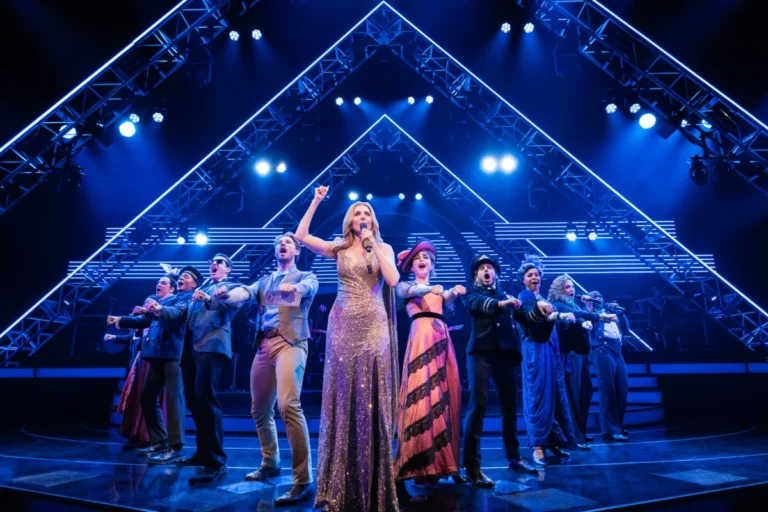
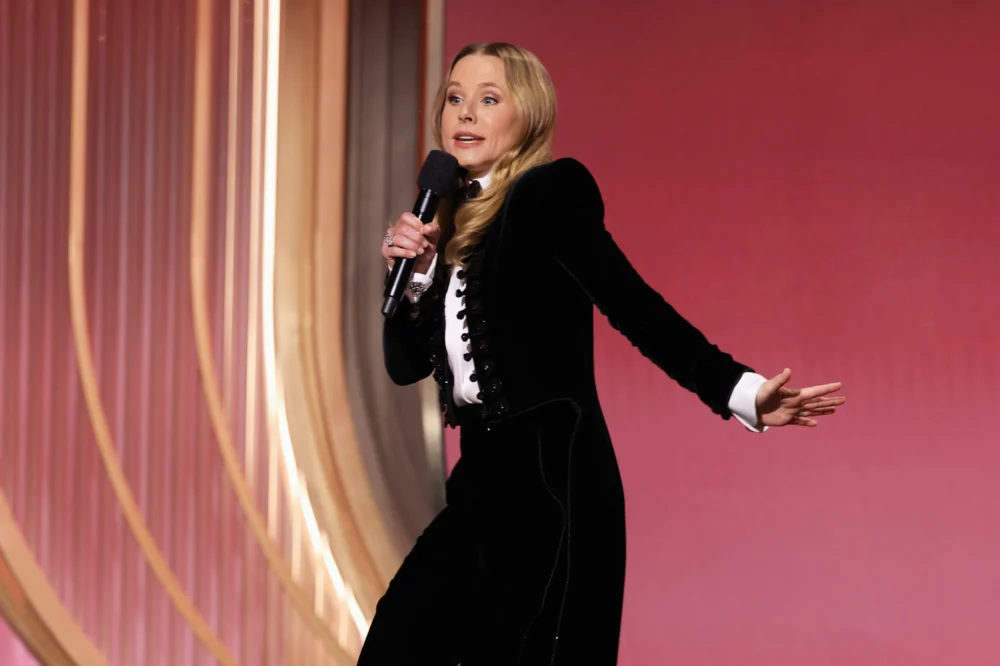
The musical thread wove through the entire evening, beginning with a spectacular opening number led by the charismatic host, Kristen Bell. Known for her infectious humor and vocal prowess, Bell leaned into the ceremony’s identity shift with an original song titled “A Stage Name.” This witty and self-aware piece poked fun at the often-amusing phenomenon of celebrity name changes, a clever nod to the show’s own rebranding. Her performance was a masterclass in comedic timing and vocal charm, setting a lighthearted yet sophisticated tone for the night. Bell, a beloved figure in both film and television, with a knack for musical performance from her iconic role in Disney’s “Frozen,” was the ideal choice to inaugurate this new musical era. Her ability to connect with the audience, coupled with her genuine affection for the acting community, made her the perfect guide through an evening of celebration and innovation.
Beyond the opening, the musical tapestry expanded with a deeply moving performance by Miles Caton, star of the critically acclaimed film “Sinners.” Caton delivered a soul-stirring rendition of “This Little Light of Mine,” a song integral to his character’s journey in the film. The decision to feature a performance directly tied to a nominated project underscored the show’s commitment to celebrating the craft of acting in its myriad forms, including musical expression within storytelling. The raw emotion and authenticity of Caton’s performance captivated the audience, reminding everyone of the profound impact that music can have when integrated seamlessly into cinematic narratives. The sentiment echoed by showrunner and executive producer Jon Brockett, who reflected on the decision to feature Caton, was clear: “One of the things that was really important to us was making sure that any musical number that we did stayed within the DNA of our show. So a performance oriented within a nominated film or TV show made the most sense to us.”
The impact of live music extended far beyond individual performances, permeating the very atmosphere of the venue. The producers universally lauded the palpable energy and authenticity it brought. Jon Brockett, who took on expanded duties as showrunner this year, expressed his enthusiasm with a playful apology: “It felt so good to have something so robust and real in the room, to have real music. It was, and I’m going to apologize in advance for saying this, music to my ears.” His co-producer, Linda Gierahn of Silent House Productions, echoed this sentiment, emphasizing Rickey Minor’s vital contribution: “Rickey is such a pro and brings so much life and energy to it. I mean, it’s just a total game changer, to have that live music in the room.” This synergy between the live band and the unfolding ceremony created an immersive experience, making the evening feel less like a broadcast and more like an intimate, grand theatrical production. The subtle swells, timely stings, and vibrant improvisations from Minor’s band added layers of emotional depth and excitement, enhancing every moment from presenter introductions to acceptance speeches.
In the lead-up to the ceremony, *Variety* had the exclusive opportunity to speak with Brockett, Bracco, and Gierahn, gathering embargoed insights into their ambitious plans. Now, with the show having successfully aired, they were able to share the full story behind the innovations that made the 32nd Actor Awards a landmark event. Their candid reflections revealed the meticulous planning and creative collaboration that shaped the evening, showcasing a production team dedicated to pushing boundaries and delivering an exceptional experience for both the attendees and the global Netflix audience.

One of the night’s standout elements was the highly anticipated cold open, a tradition that has become a signature for the Actor Awards. Following in the footsteps of previous beloved segments featuring casts from “Ted Lasso” and “Hacks,” this year’s opening showcased the brilliant ensemble of “Abbott Elementary.” The concept, affectionately dubbed “Flip the Script” by the production team, had been a long-held aspiration. Brockett explained, “We pitched them the idea, we call it ‘Flip the Script,’ and it’s something we’ve been wanting to do for a while.” He lauded “Abbott” creator and star Quinta Brunson for her enthusiastic embrace and execution of the idea: “And [Brunson] bit and just ran with it. They’re very busy, so we had some people on our awards team who helped come up with ideas for actual bits to pull from. But they executed it and came up with the whole writing and filming of it, and they did it on their stage, working it into their schedule.” This collaborative spirit, allowing the show’s nominated talent to inject their authentic voices and comedic genius, exemplifies the Actor Awards’ commitment to celebrating the very essence of performance.
The “Abbott Elementary” segment perfectly captured the show’s charm, with the cast excitedly discussing Actor-nominated TV and film projects in their iconic break room setting. Brunson’s genius shone through in making Sheryl Lee Ralph’s character, Barbara, the entry point, capitalizing on her endearing tendency to confuse pop culture references and celebrity names. This subtle yet brilliant character-driven humor resonated deeply with fans of the show. Bracco particularly enjoyed one specific detail: “My favorite part was Mr. Johnson, the janitor, his favorite movie is ‘Bugonia.’ It’s so in their voices, because they’re all just in the break room. And to me, it’s like, that’s what people do at work. They sit around and talk about their favorite movies and TV shows. They totally embraced it and shot it just last week, so it happened really fast.” The segment’s rapid production timeline further underscored the dedication and agility of both the “Abbott” team and the awards show producers, resulting in a fresh, topical, and genuinely funny opening that set a high bar for the evening.
The beloved “I’m an Actor” signature opening also returned, featuring a diverse and compelling lineup of performers sharing personal anecdotes about their craft. This year’s segment included powerhouse talents such as Kristen Wiig, Delroy Lindo, Michael J. Fox, Teyana Taylor, and Kate Hudson. Bracco highlighted the segment’s enduring appeal: “It was just such a great, eclectic lineup of people, and their stories ranged from really funny to really emotional. I think people look forward to these every year.” These vignettes serve as a poignant reminder of the shared passion and often arduous journeys that unite actors across genres and generations. They offer a rare glimpse into the human experience behind the glamour, fostering a sense of community and mutual respect that is central to the Actor Awards’ mission. Each actor’s brief, unfiltered reflection on their identity as a performer underscores the profound personal connection they have to their work, making the awards feel deeply personal and relatable.
Kristen Bell’s opening musical number, “A Stage Name,” was a highlight of comedic ingenuity. The concept of creating another original song stemmed from the success of her previous year’s opening, a playful parody of her “Frozen” hit, “Do You Want to Build a Snowman,” cleverly retitled “Do You Want to Be an Actor.” Bell, ever the creative force, was inspired by the show’s name change and collaborated with songwriter friends to craft the new piece. Bracco elaborated on the song’s cleverness: “She got inspired by the idea that the name of the show was changing, and reached out to a couple of songwriter friends of hers who came up with an original song that is based off of actors who either changed their name — or some suggestions of names she thinks actors should change their names to. It was very referential of everyone in the audience, and very funny. Some of the name suggestions are completely ridiculous, and it’s great. We’re kind of making fun of ourselves a little bit, but also leaning into name changes.” The humor landed perfectly, celebrating the industry’s quirks with affection. Brockett shared his personal favorite suggestion: “I think my favorite suggested name change was for Jesse Plemons, as Jesse Plimes — as in, lemons and limes. I literally laughed out loud.” This level of bespoke, insider humor speaks to the show’s confidence in its audience and its ability to connect on a deeper, more personal level with the acting community it celebrates.

The poignant performance of “This Little Light of Mine” by Miles Caton was a carefully considered decision, rooted in the producers’ admiration for his work in “Sinners.” Brockett recounted the moment of inspiration: “When I was listening to the ‘Sinners’ soundtrack, there was a moment where Miles comes in and he sings an acoustic version with his guitar of ‘This Little Light of Mine,’ and it is beautiful. I got chills. It gave me all the feelings that I’ve ever had, all in one moment. Wow.” This anecdote illustrates the profound impact a single performance can have, influencing the creative direction of an entire awards show. The decision to feature Caton’s song was a testament to the power of film music and the desire to showcase talent in a meaningful, authentic way. Adding an extra layer of heartfelt charm, Caton’s young 11-year-old cousin, CJ, opened the piece as a soloist, a detail Brockett found particularly moving: “It’s so beautiful.” This inclusion not only highlighted emerging talent but also underscored the familial and community spirit that often underpins artistic endeavors, making the performance even more resonant.
Beyond the main stage, Kristen Bell’s inventive spirit found another outlet in a delightful backstage “runner” segment. She orchestrated “The First Annual Kristen Bell Actor Awards Sports Championship,” a mock ping-pong tournament featuring her friends and fellow actors, including Ted Danson, Jackie Tohn, Ike Barinholtz, and Jacobi Jupe. This playful, recurring bit added a layer of spontaneous fun and camaraderie throughout the evening. Brockett explained the appeal of such ongoing gags: “We love a runner, so does Kristen. It’s like having a through line.” Bracco revealed Bell’s hands-on approach to the segment’s props: “We fleshed it all out together. But she wanted to do it. And then, she said, ‘I want to have a goofy trophy.’ So we said, ‘All right, we’ll go out, do you want us to get a kid’s soccer trophy and slap a picture of Timothy on it?’ And she’s like, ‘No, I’m gonna make the trophy.’ And she did. I don’t know when she has time to do these things, but she made the trophy, and it’s ridiculous.” This personal touch, from the host herself, injected genuine warmth and humor, reinforcing the idea that while these are serious awards, the industry also embraces a lighter, more playful side among its peers.
Another ingenious segment involved Bell’s challenge to recite complex, fake medical dialogue. The script for this comedic bit was specially crafted by the writers of the medical drama “The Pitt,” demonstrating a clever cross-promotion and an appreciation for the specific demands of acting. Bracco revealed the intent behind the difficulty: “We coordinated this through Warner Bros. Television, and the word from Noah Wyle was to make it really hard.” This segment not only showcased Bell’s comedic timing and impressive improvisational skills but also paid homage to the technical precision required for certain acting roles, resonating particularly with the professional actors in the audience. It was a testament to the collaborative spirit of Hollywood, where different productions can come together to create unique and entertaining moments for an awards show.
The physical transformation of the awards ceremony space itself was crucial to enabling many of these innovations. The stage was rotated a full 90 degrees this year, a seemingly simple change that had profound implications for the production. Gierahn emphasized the improved viewing experience: “There was not a bad seat in the house.” Brockett further elaborated on the functional benefits: “A big part of it is what helped us having a house band. We wouldn’t have been able to even have the room for a house band before if we didn’t reorient the room.” This thoughtful redesign optimized the venue’s layout, creating more space not just for the live band but also for dynamic staging, camera angles, and an overall more expansive and engaging visual presentation. It underscores how even subtle logistical changes can unlock significant creative opportunities, allowing the show to evolve and accommodate its ambitious new features.

The night also delivered a dose of nostalgic joy with a highly anticipated reunion of the female cast members from “The Office.” This delightful segment was orchestrated largely thanks to the proactive involvement of Mindy Kaling. Bracco recounted Kaling’s pivotal role: “Mindy Kaling sort of became a pseudo talent booker for our show. We had reached out to her about being a presenter, and she came back with the idea of, ‘what if I did a reunion with all the women of ‘The Office,’ and we’re like, ‘yeah!’ Within like an hour, she had texted all of them, and she basically booked them all for us. So she had texted with Jenna Fisher and Angela Kinsey and Ellie Kemper, and I’m not kidding, like, within 90 minutes, they were all booked, and presenting on the show.” Kaling’s initiative highlights the power of personal connections within the industry and the enduring appeal of beloved ensembles. Such reunions are consistently audience favorites, tapping into collective nostalgia and celebrating the long-lasting bonds formed on set, offering a heartwarming moment that transcends the competitive nature of awards season.
Finally, a unique aspect of the Netflix streaming format—limited traditional commercial breaks—allowed the producers to curate special content packages. This year, they filled these interludes with four distinct features celebrating various facets of acting: one focused on the intricacies of medical dialogue, another on the artistry of physical comedy, a third on compelling “troublemaker” characters, and a fourth on the enduring charm of the romantic comedy. Brockett explained their purpose: “They were wrapped up into the commercial breaks, and we came back in from the commercial break into the show with them, and they kind of celebrated different genres of acting and different kind of angles of acting.” These thoughtful, curated packages provided enriching insights into the craft, transforming what could have been dead air into educational and entertaining content. They offered a deeper appreciation for the diverse skills and nuances required of actors, making the show not just an awards ceremony but also a tribute to the multifaceted art form it honors. This innovative use of time reflects a forward-thinking approach to streaming content, where every moment is an opportunity to engage and inform the audience, further distinguishing the Actor Awards as a leader in evolving awards show production.