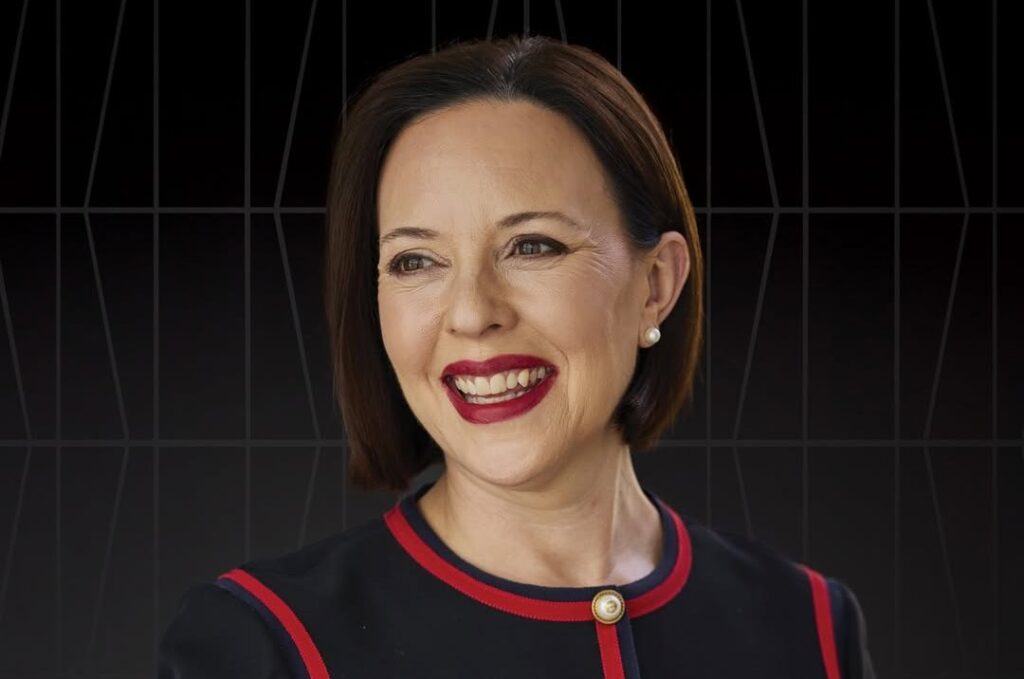
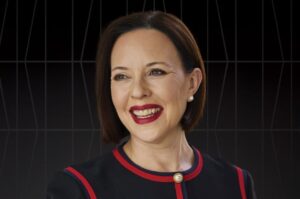

The session will be formally opened by H.E. Dr. Adonia Ayebare, the President of the Executive Board and the Ambassador and Permanent Representative of Uganda to the United Nations. Dr. Ayebare’s leadership comes at a time when the Global South is increasingly demanding a more equitable and representative international system. Following the opening remarks, the membership will hear a comprehensive statement from Ms. Sima Bahous, the Executive Director of UN Women. Bahous, who has been a vocal advocate for the protection of women’s rights in conflict zones and digital spaces, is expected to outline the organization’s vision for the 2026 fiscal year, emphasizing the urgent need to accelerate progress toward the 2030 Sustainable Development Goals.
A primary pillar of the two-day agenda is the rigorous examination of the organization’s financial health and administrative integrity. The Executive Board is slated to receive detailed updates on audit matters, a process essential for maintaining the trust of donor nations and the public. Central to these discussions will be the presentation of the financial report and audited financial statements for the year that ended on 31 December 2024. These documents, accompanied by the report of the Board of Auditors, provide a transparent look at how resources were allocated during a period of significant global economic volatility.
The board will not merely look at the numbers but will also focus on the “implementation of recommendations.” This involves a granular review of how UN Women has responded to previous critiques from the Board of Auditors regarding United Nations funds and programmes. By providing an updated status on management actions, UN Women aims to demonstrate its commitment to addressing outstanding audit recommendations, ensuring that every dollar intended for gender equality is utilized with maximum efficiency and minimal waste.
Beyond the balance sheets, the February session will tackle the structural future of the United Nations through the lens of the “UN80” initiative. As the UN approaches its eight-decade milestone, there is a systemic push to modernize governance. The Executive Board will discuss its engagement with this initiative, looking at how UN Women can remain agile in an era of rapidly shifting geopolitics. Part of this governance reform includes the consideration of the Joint Inspection Unit (JIU) review. This review examines the oversight and governance of several major UN bodies, including the United Nations Development Programme (UNDP), the United Nations Population Fund (UNFPA), the United Nations Office for Project Services (UNOPS), and UNICEF, alongside UN Women. The goal of this cross-agency review is to harmonize oversight mechanisms, ensuring that the Executive Boards operate under a unified standard of excellence and accountability.
The internal health of UN Women as an institution will also be under the microscope. In recent years, the United Nations has faced internal pressure to address systemic issues within its own walls. Consequently, the board will receive updates on the impact of work regarding organizational culture. This includes a dedicated focus on the efforts taken to address racism and racial discrimination within the agency. By fostering a workplace that reflects the values of safety, dignity, and equality it promotes globally, UN Women seeks to strengthen its moral authority on the world stage. These discussions are intrinsically linked to the agency’s continuous work on enterprise risk management, a system designed to identify and mitigate potential threats to the organization’s mission, whether they be political, financial, or operational.
The collaborative nature of the UN system will be further highlighted through a presentation on the follow-up and implementation of the UNAIDS Programme Coordinating Board’s recommendations. This reflects the intersectional nature of UN Women’s work, acknowledging that gender equality cannot be achieved without addressing global health crises and the specific vulnerabilities of women and girls in the context of the HIV/AIDS epidemic.
In a move to ensure that the voices of those working on the front lines are heard, the session will feature addresses from the Ombudsman and the joint Staff Council representing UNDP, UNFPA, UNOPS, and UN Women. These presentations provide a vital feedback loop, allowing the board to understand the challenges faced by personnel on the ground. The management’s response to these staff concerns will be a key indicator of the organization’s commitment to its human capital.
This session follows a period of intense advocacy, underscored by recent high-level statements regarding the safety of women in both physical and digital environments. In late 2025, leadership emphasized that “every space, on or offline, must be one of safety, dignity, and equality.” The February 2026 session is where those rhetorical commitments are translated into budgetary priorities and governance policies. The board must decide how to protect women and girls from emerging threats, such as AI-driven gender-based violence and the rollback of reproductive rights in various regions, while maintaining a lean and effective administrative structure.
The 2026 first regular session is more than a series of bureaucratic meetings; it is a roadmap for the future. As the world faces compounding crises—from climate change to protracted conflict—the role of UN Women as a coordinator and catalyst for change is more vital than ever. The decisions made during these two days in New York will resonate far beyond the halls of the United Nations, affecting the lives of millions of women who look to the international community for leadership and support.
For those interested in the technical details of the proceedings, the full agenda and all official documentation have been made available through the Executive Board’s dedicated web portal. In the interest of global transparency, the entirety of the session will be broadcast via UN Web TV, allowing civil society organizations, activists, and the general public to witness the deliberations in real-time.
As the delegates gather in New York this February, the overarching theme will be one of transition and tenacity. With the 2030 deadline for the Sustainable Development Goals looming, the UN Women Executive Board is tasked with ensuring that the organization is not only financially sound and well-governed but also bold enough to meet the challenges of a new generation. The scrutiny of the 2024 audits, the forward-looking “UN80” reforms, and the focus on an inclusive organizational culture all point toward a single objective: building a more resilient and effective vehicle for global gender equality.