


Japan Demands Swift Release of National Detained in Iran Since January
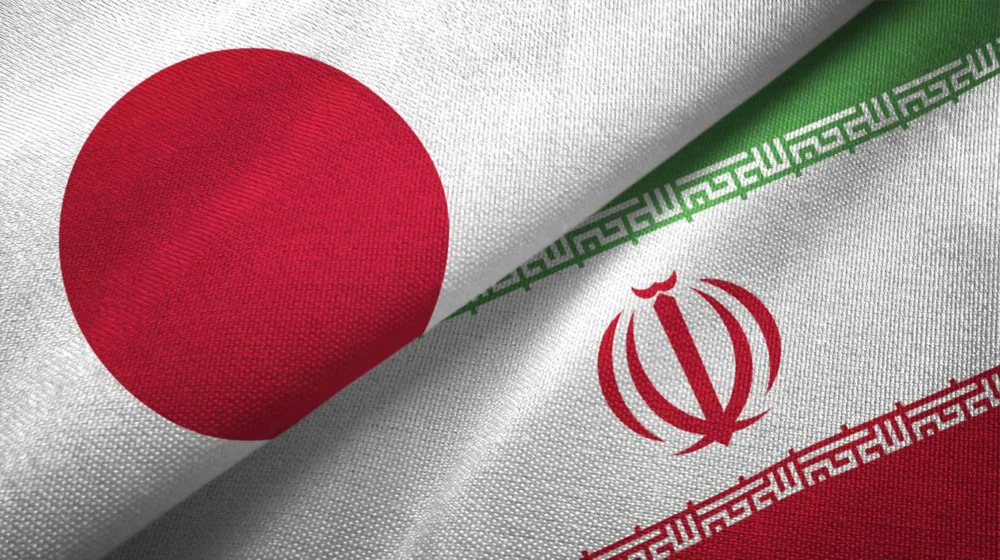
Tokyo has formally requested the immediate release of a Japanese national who has been held in Tehran since January 20, amid growing concerns for their well-being and the lack of detailed information surrounding the detention. The Japanese government confirmed the arrest on Wednesday, breaking its silence following foreign media reports that brought the case to light. While details remain scarce, the confirmation from Deputy Chief Cabinet Secretary Masanao Ozaki underscores the seriousness with which Tokyo is treating this developing situation.
Ozaki, addressing inquiries from the press, acknowledged that a Japanese citizen was apprehended on January 20. However, he emphasized the government’s decision to withhold further specifics, citing the sensitive nature of the case and the imperative to protect the detainee’s privacy. This stance, while understandable from a diplomatic and personal privacy perspective, has inevitably fueled speculation and anxiety both domestically and internationally.
Despite the limited public disclosures, the Japanese government has stated that it is actively engaged in supporting the detained individual and their family. Ozaki confirmed ongoing communication channels with the detainee, assuring that their family members are also being kept informed and are receiving all necessary assistance. This indicates a concerted effort by the Japanese authorities to provide a lifeline to the individual and their loved ones during this uncertain period.
Officials within Japan’s Foreign Ministry have indicated that, based on the information they have gathered, the detainee is believed to be in good health. This assessment, however, is tempered by the significant challenge of obtaining direct confirmation. Japanese officials have not yet been granted a personal meeting with the detained national, a critical step in assessing their condition and ensuring their rights are being upheld. The inability to conduct in-person welfare checks adds another layer of complexity and concern to the situation.
When pressed for details regarding the circumstances of the arrest, including the specific charges or the exact timing of the detention beyond the January 20 date, the Foreign Ministry maintained a policy of non-comment. This reticence is often a strategic diplomatic tool, aimed at avoiding actions that could jeopardize ongoing negotiations or complicate the delicate process of securing the individual’s release. However, for families and the public, this lack of transparency can be deeply unsettling.
The Japanese expatriate community in Iran is a significant one, comprising approximately 200 individuals, with a substantial portion, around 150, residing in the capital city of Tehran. This demographic context is important, as it highlights the potential for broader implications for Japanese nationals living and working in Iran. The Japanese government, through its embassy and consular services, is responsible for the welfare of its citizens abroad, and this incident undoubtedly puts those responsibilities under a harsh spotlight.
The detention of a foreign national, particularly a Japanese citizen, in Iran is a sensitive issue that can be influenced by a complex web of geopolitical factors, bilateral relations, and domestic Iranian legal processes. Iran has, in the past, detained foreign nationals, with cases often becoming entangled in broader diplomatic disputes or serving as bargaining chips in complex international negotiations. While it is crucial not to jump to conclusions, the history of such incidents in Iran necessitates a cautious and strategic approach from the Japanese government.
The geopolitical landscape surrounding Iran is currently marked by significant tensions, particularly concerning its nuclear program and regional influence. International sanctions and diplomatic standoffs have created an environment where foreign nationals can inadvertently become embroiled in political complexities. Japan, while generally maintaining a policy of neutrality and pursuing diplomatic engagement, is also a close ally of the United States, which has a more adversarial relationship with Iran. This delicate balancing act can complicate diplomatic efforts to secure the release of detained citizens.
For the families of the detained Japanese national, the waiting period is undoubtedly agonizing. The lack of concrete information, coupled with the extended period of detention, can lead to profound emotional distress. The Japanese government’s commitment to providing support and maintaining communication with the family is a critical element in alleviating some of this burden, but the ultimate resolution remains elusive.
The legal framework within Iran for detaining foreign nationals can also be opaque. While Iran has a judicial system, concerns have been raised by international human rights organizations about the fairness of trials, access to legal counsel, and the conditions of detention for those accused of various offenses, particularly those perceived as politically motivated. Without knowing the specific charges, it is difficult to assess the potential legal avenues available or the likely duration of any legal proceedings.
The role of consular services in such situations is paramount. Japanese diplomats in Tehran are likely working tirelessly behind the scenes, leveraging their connections and diplomatic channels to gather information, advocate for the detainee, and explore all possible avenues for their release. This often involves quiet diplomacy, private representations to Iranian authorities, and close coordination with other countries that may have experience or influence in similar situations.
The Japanese government’s decision to confirm the detention, even with limited details, suggests that direct diplomatic appeals have been made and that the situation has reached a point where public acknowledgement is deemed necessary. This public pressure, while potentially risky, can sometimes be a catalyst for action, particularly if it highlights the international attention the case is receiving.
The historical context of Japanese-Iranian relations is generally one of cordiality and mutual respect. Japan has historically sought to maintain a balanced approach in its foreign policy, engaging with Iran on various fronts, including energy and cultural exchange. This established relationship could, in theory, provide a foundation for constructive dialogue and cooperation in resolving this unfortunate incident. However, the current political climate can overshadow even long-standing diplomatic ties.
The broader implications for Japanese citizens living and traveling in Iran are also a concern. The Foreign Ministry’s advisory services for Japanese nationals abroad are designed to provide guidance on safety and security. Incidents like this serve as a stark reminder of the risks that can be present when traveling or residing in countries with complex political environments. It is likely that the ministry will be re-evaluating its travel advisories and reinforcing security recommendations for its citizens in Iran.
The transparency of the Iranian judicial system and the treatment of detainees have been subjects of international scrutiny for many years. Human rights groups have consistently called for greater accountability and adherence to international legal standards. The case of the detained Japanese national will likely be closely watched by these organizations, as well as by other governments concerned about the welfare of their citizens abroad.
The Japanese government’s commitment to the well-being of its citizens is a cornerstone of its foreign policy. The sustained diplomatic efforts, the provision of support to the family, and the public confirmation of the detention all point to a resolute determination to secure the individual’s safe return. The coming days and weeks will be crucial in determining the trajectory of this case and whether diplomatic efforts can yield a positive outcome.
The absence of specific charges makes it challenging to understand the legal basis for the detention. In many jurisdictions, foreign nationals have the right to be informed of the charges against them promptly and to have access to legal representation. The lack of clarity on these fundamental rights for the detained Japanese citizen is a significant point of concern for international observers and human rights advocates.
The economic ties between Japan and Iran, though impacted by sanctions, have historically been significant, particularly in the energy sector. While this incident is primarily a consular and diplomatic matter, broader bilateral relations can sometimes influence the resolution of such cases. However, the immediate focus for Tokyo will undoubtedly be on the humanitarian aspect of securing the individual’s release.
The Japanese public, upon learning of the detention, will likely feel a sense of solidarity with the detained national and their family. The media’s role in bringing such stories to light, while balanced with the need for diplomatic discretion, plays a crucial part in informing the public and potentially galvanizing support for the government’s efforts.
The long-term impact of this detention on Japanese perceptions of Iran and on future travel and business engagement remains to be seen. However, the immediate priority for Japan is the safe and swift return of its citizen. The diplomatic maneuvering, the quiet appeals, and the public pronouncements are all part of a calculated strategy to achieve this objective.
As the situation unfolds, the world will be watching to see how diplomatic channels are navigated and whether international pressure, combined with direct appeals, can lead to a resolution that prioritizes the well-being and fundamental rights of the detained Japanese national. The coming days are critical for the Japanese government as it continues its efforts to secure the release of its citizen from detention in Tehran.
© 2026 The Associated Press. All rights reserved. This material may not be published, broadcast, rewritten or redistributed without permission.