



Tumbler Ridge Reels from Devastating School Shooting: 18-Year-Old Identified as Perpetrator Amidst Unanswered Questions
The remote community of Tumbler Ridge in British Columbia is grappling with unimaginable grief and shock following a horrific school shooting that claimed the lives of nine individuals, including the perpetrator. Authorities have identified the assailant as 18-year-old Jesse Van Rootselaar, a young woman who, according to police, had a history of mental health struggles. While the immediate aftermath has been marked by a desperate search for answers and a profound sense of loss, the motive behind this tragedy remains a haunting mystery.
The horrific events unfolded on Tuesday, sending shockwaves through the close-knit community and casting a dark shadow over Canada’s efforts to address gun violence and mental health. Deputy Commissioner Dwayne McDonald of the Royal Canadian Mounted Police (RCMP) in British Columbia revealed during a press conference that police had been called to the family residence on multiple occasions over several years, responding to concerns about the suspect’s mental well-being. This detail underscores the complex and deeply troubling nature of the tragedy, suggesting a potential trajectory that authorities were aware of but perhaps unable to fully avert.
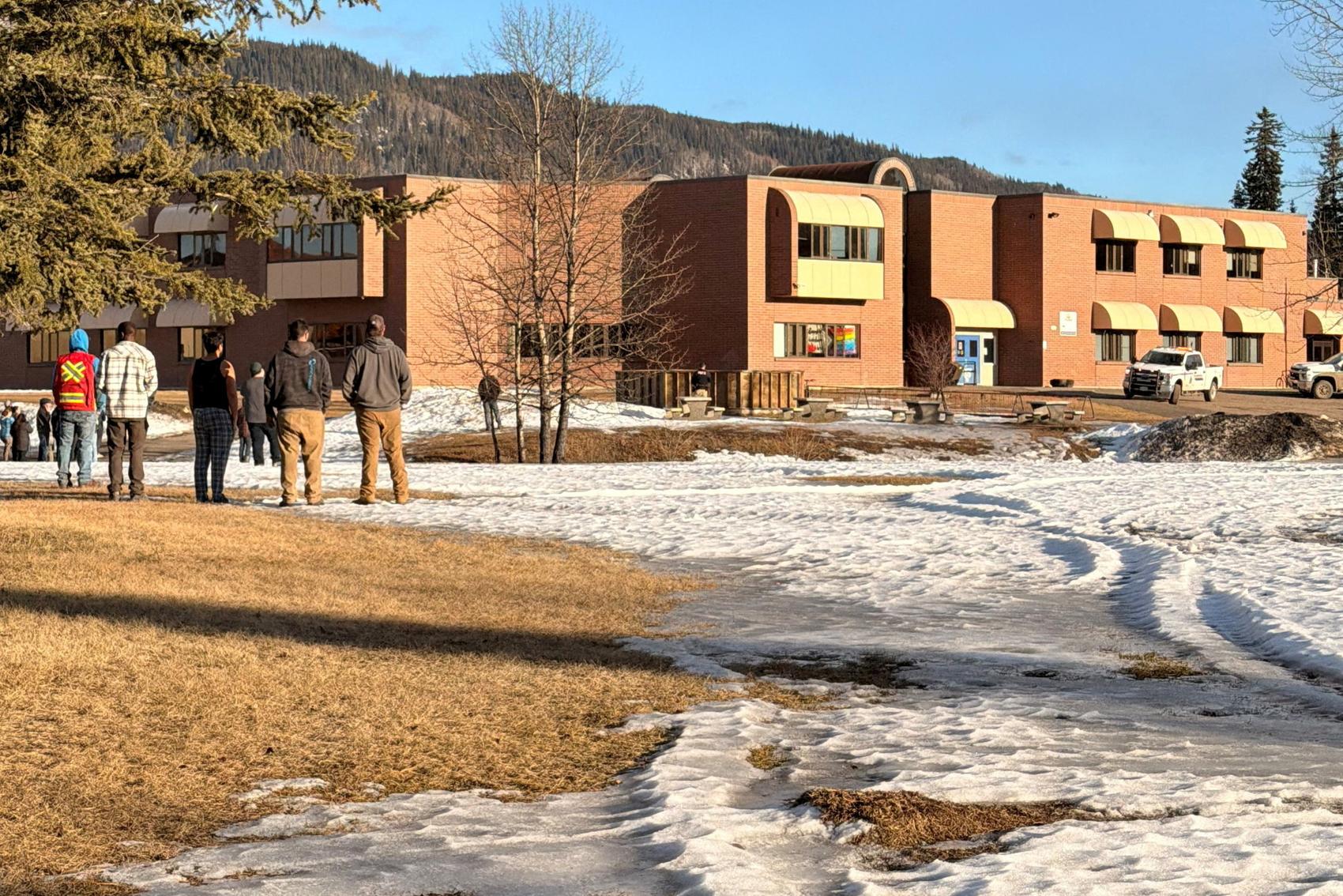
The sequence of events, as pieced together by investigators, paints a grim picture. Van Rootselaar, who was born male but had begun identifying as female approximately six years prior, allegedly began her deadly rampage at her family home. There, she is believed to have fatally shot her mother, a 39-year-old woman, and her 11-year-old step-brother. The violence then escalated as Van Rootselaar proceeded to the local school, where she inflicted further devastation. At the school, she is reported to have killed a 39-year-old female teacher, three 12-year-old female students, and two male students, aged 12 and 13. The revised death toll, adjusted down from an initial report of ten, still represents an unfathomable loss for such a small community.
“We do believe the suspect acted alone,” Deputy Commissioner McDonald stated, emphasizing the preliminary nature of the investigation and the sensitivity surrounding the motive. “It would be too early to speculate on motive.” This reticence from law enforcement, while understandable given the early stages of the inquiry, leaves a void that the community and the nation are desperate to fill. The absence of a clear motive only amplifies the bewilderment and fear that often accompany such senseless acts of violence.
The gravity of the situation was palpable as Prime Minister Mark Carney addressed the nation. His voice heavy with emotion, Carney postponed a planned trip to Europe, demonstrating the profound impact of the shooting on the highest levels of government. He declared the event a “terrible” tragedy and promised that Canadians would emerge from this darkness together. In a somber display of national mourning, the Prime Minister ordered flags on all government buildings to be flown at half-mast for seven days, a poignant symbol of the collective grief and respect for the victims.
“We will get through this. We will learn from this,” Carney pledged to reporters, his composure visibly tested. “But right now, it’s a time to come together, as Canadians always do in these situations, these terrible situations, to support each other, to mourn together and to grow together.” His words, delivered with a raw sincerity that hinted at the personal toll the event was taking, resonated deeply with a nation grappling with yet another mass casualty event.
Messages of condolence poured in from around the globe, reflecting the international concern over the violence. King Charles, as Canada’s head of state, expressed his profound shock and sadness at the loss of life. The shooting has inevitably reignited discussions about Canada’s gun control laws, which are generally considered stricter than those in the United States. While licensed firearm ownership is permitted, the ease with which such devastation could be wrought by an individual raises persistent questions about the effectiveness of existing regulations and the broader societal factors that contribute to such violence.
The sheer scale of the devastation in Tumbler Ridge, a community often characterized by its quiet resilience and strong sense of camaraderie, has left residents reeling. Larry Neufeld, a local provincial legislator, struggled to articulate the depth of the community’s pain. “There’s not a word in the English language that’s strong enough to describe the level of devastation that this community has experienced,” he told CBC News, his voice cracking with emotion. “It’s going to take a significant amount of effort and a significant amount of courage to repair that terror.” His words capture the immense challenge that lies ahead for Tumbler Ridge as it begins the arduous process of healing and recovery.
The psychological impact on the survivors, the families of the victims, and the wider community is immeasurable. Schools, in particular, are sanctuaries of learning and growth, and the violation of this safe space by such horrific violence will undoubtedly leave lasting scars. The presence of young victims – children who were just beginning to navigate their lives – adds another layer of profound tragedy to an already devastating event. The age of the perpetrator also raises complex questions about adolescent mental health, societal support systems, and the pathways that can lead a young person to such extreme actions.
In the days and weeks to come, investigations will undoubtedly delve deeper into Jesse Van Rootselaar’s life, seeking to understand the confluence of factors that culminated in this act of violence. The role of mental health services, access to firearms, and any potential contributing social or personal circumstances will be under intense scrutiny. The community of Tumbler Ridge, however, is not just waiting for answers; it is actively engaged in the vital work of supporting one another. Neighbors are rallying, offering comfort, practical assistance, and a shared space for grief. Local leaders are working to ensure that mental health resources are readily available to those who need them most, recognizing that healing will be a long and collective endeavor.
The tragedy in Tumbler Ridge serves as a stark reminder of the persistent challenges Canada faces in preventing gun violence and supporting individuals struggling with mental health issues. While the nation mourns, there will inevitably be calls for further action and policy changes. However, in these immediate moments, the focus remains on the human cost of this horrific event, on honoring the lives lost, and on the profound need for compassion and solidarity within the grieving community and across the country.
The coming months will be crucial for Tumbler Ridge as it navigates the complex terrain of grief, investigation, and eventual rebuilding. The resilience of this remote community will be tested, but its spirit, forged through shared experiences and a deep sense of connection, offers a beacon of hope. The lessons learned from this tragedy, however painful, must inform future efforts to create safer communities and to ensure that every individual, especially young people, has access to the support they need to thrive and to avoid such devastating outcomes.