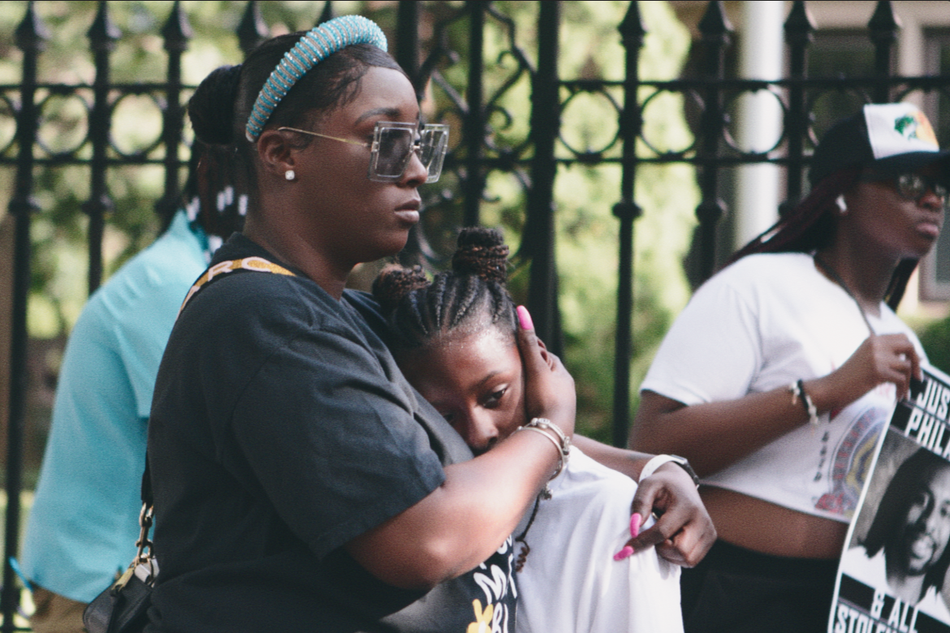

The landscape of modern warfare is shifting, and the toll is being measured not just in soldiers lost on the battlefield, but in a devastating and disproportionate surge in the deaths of women and girls. In a year defined by escalating geopolitical tensions and the erosion of international norms, 2023 emerged as a harrowing milestone in what experts are increasingly calling a “war on women.” According to the latest data released by the United Nations, the number of women killed in armed conflicts across the globe doubled over the course of a single year. By the end of 2023, four out of every ten people who perished as a result of conflict were women—a statistic that signals a terrifying collapse in the protections once guaranteed by international humanitarian law.
This surge in fatalities is not an isolated phenomenon but rather the most visible symptom of a broader, systemic failure to protect non-combatants. The report, spearheaded by UN Women and presented by Secretary-General António Guterres, paints a grim picture of a world where the rules of engagement are being discarded with impunity. Beyond the immediate lethality of bombs and bullets, the report highlights a 50 per cent increase in UN-verified cases of conflict-related sexual violence. This weaponization of the female body remains one of the most pervasive and under-reported crimes of war, used as a tool of terror, displacement, and social fracture.
The crisis extends deep into the realm of basic human survival and healthcare. As conflict zones expand, the infrastructure required to support life—hospitals, clinics, and clean water systems—is often the first to crumble. For women, this collapse is frequently a death sentence. The report reveals a staggering statistic: every single day, approximately 500 women and girls living in conflict-affected countries die from complications related to pregnancy and childbirth. These are deaths that, in peaceful settings, would be almost entirely preventable. They are the result of a deliberate or negligent restriction of medical access that turns the natural process of life-bearing into a gamble with death.
The situation in Gaza serves as a haunting case study of this medical catastrophe. By the conclusion of 2023, roughly 180 women were giving birth every day amidst the ruins of the territory. The vast majority of these women were forced to labor without anesthesia, sterile equipment, or even the most basic postpartum care. This reality reflects a blatant disregard for the sanctity of civilian life and the specific vulnerabilities of women in war zones, marking a regression in the global commitment to human rights that has stood for decades.
This darkening reality arrives 24 years after the landmark adoption of UN Security Council Resolution 1325. At the time, the resolution was hailed as a revolutionary step forward, legally requiring all parties in a conflict to prioritize the safety of women and girls and to ensure that women were given a seat at the table during peace negotiations. However, more than two decades later, the gap between policy and practice has become a chasm. The promise of “Women, Peace, and Security” is being drowned out by the noise of rising militarism.
Sima Bahous, the Executive Director of UN Women, has been vocal about the systemic nature of this crisis. She notes that women are continuing to “pay the price of the wars of men,” but she also warns that this is part of a much larger, global pushback against gender equality. This “war on women” is not confined to the frontlines; it is an ideological battle where women’s rights are being deliberately targeted and dismantled. In conflict settings, this targeting becomes lethal. Bahous warns that gender equality is being weaponized across multiple fronts, and without a concerted effort to demand accountability, the consequences will haunt the international community for generations, making lasting peace an impossibility.
One of the most frustrating aspects of this trend is the continued exclusion of women from the very rooms where peace is brokered. Despite decades of evidence showing that peace agreements are more durable and more effectively implemented when women are involved, the halls of political and military power remains an almost exclusive boys’ club. In 2023, women accounted for a mere 9.6 per cent of negotiators in peace processes. When women are locked out of these discussions, the resulting treaties often overlook the specific needs of half the population, focusing instead on the division of power between armed factions rather than the reconstruction of a healthy society.
Yet, where women are given the opportunity to lead, the results are transformative. In Yemen, for instance, it was women-led negotiation teams that successfully secured safe access to vital water sources for civilians, addressing a basic human need that had been ignored by formal military commanders. In Sudan, even as the country is gripped by brutal internal strife, 49 women-led organizations are working tirelessly to advocate for a peace process that is inclusive and representative of the people’s needs. These grassroots efforts are often the only thin line of defense for vulnerable communities, yet they remain largely unrecognized and unsupported by the formal international diplomatic machinery.
The disparity in funding is perhaps the most telling indicator of global priorities. In 2023, global military spending soared to an unprecedented $2.44 trillion. This massive investment in the machinery of death stands in stark contrast to the crumbs allocated to the protection and empowerment of women. Funding for organizations that support women’s rights in conflict zones remains abysmal, averaging only 0.3 per cent of total annual aid. Furthermore, investments in the prevention of and response to gender-based violence account for less than one per cent of all humanitarian spending. We are, as a global society, choosing to fund the hardware of war while starving the heart of peace.
As we look toward 2025, the international community faces a series of significant anniversaries. It will mark the 30th commemoration of the Beijing Platform for Action, which remains the most ambitious and visionary blueprint for women’s rights ever adopted. It was a moment when 189 countries agreed that human rights are women’s rights, and women’s rights are human rights. However, the current trajectory suggests that the vision of Beijing is under threat like never before.
The Secretary-General’s report concludes with a clear call to action: the current “war on women” can only be halted through bold political courage and a radical shift in financial priorities. It is no longer enough to offer rhetorical support for women’s participation in peace and security; there must be a tangible investment in their leadership and a relentless enforcement of international law. The doubling of female deaths in conflict is not an inevitability of war; it is a policy failure.
To achieve a world where peace is more than just the absence of active combat, women must be at the center of the solution. Their safety must be non-negotiable, and their voices must be heard in the halls of power. If the international community continues to ignore the escalating violence against women, it does so at its own peril. True security is impossible in a world where half the population is targeted, marginalized, and left to die in the shadows of the “wars of men.” The time for incremental change has passed; the current crisis demands a revolution in how we define, fund, and achieve global peace.