
As the world crosses the threshold into the second quarter of the 21st century, the global community finds itself at a staggering crossroads regarding the fundamental rights of half its population. On March 8, 2026, International Women’s Day (IWD) will serve as more than just a date of celebration; it is being positioned as a global rallying cry for a radical shift from rhetoric to results. Under the evocative theme, “Rights. Justice. Action. For ALL Women and Girls,” the 2026 observance marks a pivotal moment in the fight for gender parity, highlighting a sobering reality: despite decades of advocacy, no nation on Earth has yet achieved full legal equality between men and women.
The statistics framing this year’s mobilization are as jarring as they are a call to arms. Current data reveals that, globally, women hold only 64 percent of the legal protections and rights afforded to men. This 36 percent deficit is not merely a collection of abstract numbers; it represents a systemic failure that permeates every facet of a woman’s life. From the ability to enter the workforce and manage personal finances to the fundamental right to physical safety, the law continues to operate as a gatekeeper rather than a protector. Perhaps most alarming is the projected timeline for correction. At the current rate of legislative and social progress, experts warn that it will take an incredible 286 years to close the legal protection gaps that exist today. This nearly three-century wait is a timeline that activists and international leaders are now calling a “surrender” to the status quo—a timeline that the 2026 campaign refuses to accept.
The 2026 theme acknowledges that while many rights exist on paper, they are often hollow without the mechanisms of justice to enforce them. The distinction between “rights” and “justice” is central to this year’s discourse. A right is a promise; justice is the fulfillment of that promise. Without a justice system that is accessible, affordable, and free of gender bias, the legal frameworks designed to protect women remain largely performative. This year, the focus shifts toward dismantling the structural barriers that prevent women from exercising their rights. These barriers are often invisible but deeply entrenched, ranging from discriminatory inheritance laws and unequal property rights to social norms that stigmatize women who seek legal recourse against violence.
In the realm of economic justice, the disparities remain stark. In many jurisdictions, women still face legal hurdles in starting businesses, accessing credit, or claiming equal pensions. The “money” and “work” pillars of the 2026 campaign highlight how these legal disadvantages trap women in cycles of poverty and dependence. By restricting a woman’s mobility or her right to choose her own profession, legal systems effectively stifle global economic growth and individual autonomy. International Women’s Day 2026 demands that these “legal gaps” be treated as an emergency, requiring immediate legislative overhauls rather than incremental adjustments.
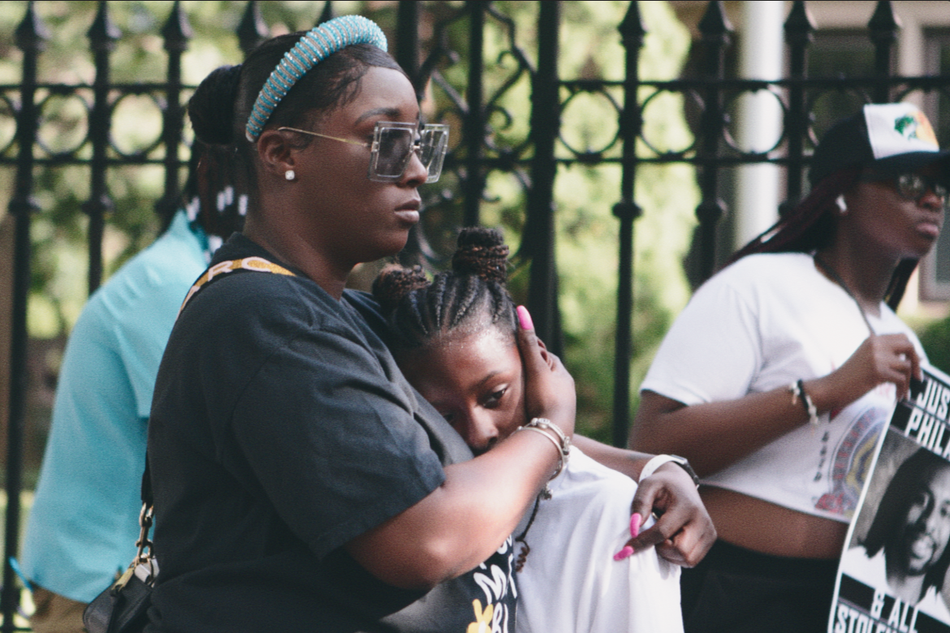
Safety remains the most visceral front in the battle for equal justice. The 2026 call for action emphasizes that justice must be survivor-centered. This means moving toward a “zero tolerance” model for gender-based violence, where impunity for abusers is eliminated through rigorous law enforcement and judicial accountability. It also involves reimagining the courtroom experience for women and girls, ensuring that legal aid is not a luxury for the few but a guarantee for all. From Quito to Kabul, the demand is the same: a justice system that believes survivors and acts with the urgency that their lives depend upon.
The significance of the 2026 observance is further amplified by its strategic alignment with the 70th session of the Commission on the Status of Women (CSW70). While the world celebrates IWD on March 8, the official United Nations observance will take place on March 9, serving as the high-level opening for CSW70, which runs through March 19. This convergence turns the symbolic energy of International Women’s Day into a direct diplomatic engine. At CSW70, representatives from UN Member States, civil society organizations, and youth leaders will gather to negotiate concrete conclusions on strengthening access to justice. The goal is to produce a global roadmap for inclusive and equitable legal systems that explicitly target the elimination of discriminatory policies.
The inclusion of “ALL” in the 2026 theme is a deliberate nod to intersectionality. The campaign recognizes that the experience of injustice is not monolithic. A girl in a rural community facing the threat of child marriage experiences the legal system differently than a woman in a corporate boardroom facing systemic pay discrimination. “Rights. Justice. Action. For ALL Women and Girls” ensures that the movement leaves no one behind, specifically addressing the needs of those marginalized by race, disability, socioeconomic status, and geography. It is a reminder that justice is only “equal” when it is universal.
Education also stands as a primary pillar of the 2026 agenda. The legal protection of a girl’s right to learn is often the first domino to fall in the quest for lifelong empowerment. When laws fail to prevent child marriage or fail to mandate equal access to secondary education, they effectively truncate a girl’s potential before she reaches adulthood. The 2026 movement seeks to codify these educational rights into enforceable laws that hold governments accountable for the futures of their female citizens.
The “Action” component of the 2026 theme is perhaps the most critical. It serves as a directive to move beyond awareness-raising and into the territory of structural transformation. This includes the demand for more women in leadership roles within the justice system itself. When women serve as judges, police officers, and legislators, the perspective of the legal system shifts. Representation is not just about fairness; it is about the quality of justice delivered. A justice system that is built and managed primarily by one gender will inherently struggle to provide equitable protection for the other.
As the digital landscape continues to shape public discourse, UN Women and its partners are mobilizing a global online movement under the hashtag #ForAllWomenAndGirls. This digital campaign aims to bridge the gap between grassroots activists and high-level policymakers, allowing women from every corner of the globe to share their stories of seeking justice. These narratives serve as a powerful reminder of why the 286-year projection is unacceptable. They put a human face on the legal gaps, transforming dry statistics into a compelling argument for immediate change.
As we look toward March 2026, the message is clear: the era of patient waiting is over. The “pushback” against women’s rights—often fueled by regressive social norms and political shifts—will be met with a “climb” of collective determination. International Women’s Day 2026 is not just a commemoration of how far we have come, but a fierce interrogation of how far we have yet to go. It is a day to demand that the law finally recognizes women as full and equal human beings, entitled to the same protections, the same opportunities, and the same justice as men.
The world cannot afford to wait until the year 2312 for equality. The call for “Rights. Justice. Action.” is a demand for the present, not the distant future. On March 8, 2026, the global community will stand together to insist that justice delayed is justice denied—and that for every woman and girl, the time for equal justice is now. Through the halls of the United Nations and the streets of every major city, the message will resonate: we refuse to surrender to a timeline of centuries when the tools for change are in our hands today.