



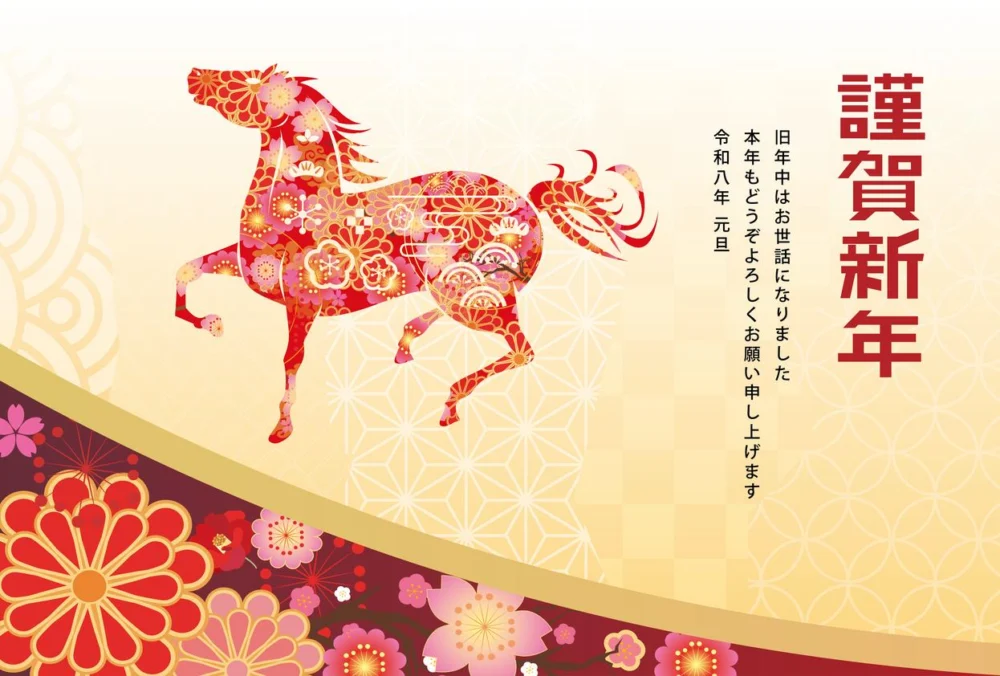
New Year’s Postcard Tradition Fades as Digital Communication and Rising Costs Reshape Greetings
The cherished tradition of sending New Year’s greeting postcards, known as *nengajo*, has reached a historic low in Japan, with the national delivery on January 1st seeing a record-breaking decline. Japan Post Holdings reported that approximately 363 million *nengajo* were delivered, a stark 26% drop from the previous year, marking the 17th consecutive year of diminishing numbers. This precipitous fall signals a significant cultural shift, as the younger generations increasingly embrace digital alternatives for staying connected during the festive season.
For generations, *nengajo* have been an integral part of Japanese New Year celebrations. These meticulously crafted postcards serve as a warm and personal way for individuals to convey their well wishes and express gratitude to friends, family, and business associates at the turn of the year. Beyond their sentimental value, *nengajo* also carry an element of playful anticipation. Each postcard is embedded with unique lottery numbers, offering recipients the chance to win a variety of prizes, ranging from coveted travel vouchers and high-tech gadgets to more modest but still appreciated gifts. This element of surprise and the potential for reward have long added an extra layer of excitement to the traditional greeting.
However, the landscape of communication is rapidly evolving, and with it, the methods by which people choose to connect. The pervasive influence of the digital age has fundamentally altered how individuals express sentiments and maintain relationships. For many, particularly younger Japanese adults, the act of physically writing and mailing a postcard is perceived as a quaint, almost archaic practice. They increasingly favor the speed, convenience, and interactive possibilities offered by digital platforms. Email, instant messaging applications, and social networking services (SNS) have become the preferred channels for sending New Year’s greetings. These digital avenues allow for more immediate communication, the sharing of multimedia content such as video clips and animated messages, and the ability to connect with a wider network of acquaintances with greater ease and less environmental impact.
The shift towards digital communication is not the sole driver of the decline in *nengajo* deliveries. A significant contributing factor has been the recent adjustment in postal rates. In an effort to streamline its operations and adapt to changing market demands, Japan Post has implemented modest but noticeable increases in the cost of postage for standard mail, including *nengajo*. For individuals who previously sent out hundreds of postcards, this incremental rise in expense can accumulate, making the traditional practice less economically viable, especially when compared to the often free or low-cost alternatives available online.
Recognizing the profound generational gap and the urgent need to revitalize interest in this cultural practice, Japan Post is actively exploring innovative strategies to engage younger demographics. In a forward-thinking move, the company has forged a partnership with Google, leveraging the power of cutting-edge technology to reimagine the *nengajo* experience. This collaboration has led to the development of a new service accessible through Japan Post’s official website. The service utilizes generative artificial intelligence (AI) to assist users in creating personalized New Year’s cards. By inputting keywords, themes, or even uploading personal photos, individuals can now generate unique and visually appealing digital designs that can then be printed as physical postcards or shared electronically. This initiative aims to bridge the gap between tradition and modernity, making the creation of *nengajo* more accessible, creative, and appealing to a generation that has grown up immersed in digital tools and personalized content.
The implications of this declining trend extend beyond mere statistics. The *nengajo* tradition represents more than just a postal service; it is a cultural artifact that embodies values of respect, consideration, and community connection. Its evolution reflects broader societal changes, including increased mobility, shifting family structures, and a greater emphasis on individual expression and digital literacy. The challenges faced by Japan Post in maintaining the relevance of *nengajo* are mirrored by similar institutions globally that are grappling with the digital transformation of communication and the evolving expectations of their customer base. The success of initiatives like the AI-powered design service will be crucial in determining whether the *nengajo* can adapt and endure as a meaningful form of New Year’s greeting in the years to come.
Further analysis of the demographic trends associated with *nengajo* sending could provide deeper insights into the generational divide. Anecdotal evidence suggests that while older generations may continue to send and receive a higher volume of physical postcards, younger individuals are more likely to opt for digital greetings or, if they do send physical cards, they might do so in significantly smaller numbers. This generational preference is likely influenced by a combination of factors, including technological fluency, differing social norms, and the perceived effort involved in each communication method. The integration of AI in the creation process could potentially lower the barrier to entry for younger users, making the design and personalization of *nengajo* a more engaging and less daunting task.
The partnership with Google is a strategic move that taps into the company’s expertise in AI and digital platforms. Generative AI, in particular, has the capability to produce creative and novel content, which can be highly appealing to a generation that values customization and unique self-expression. By offering a user-friendly interface that allows for easy generation of designs, Japan Post aims to democratize the creative process and make sending a *nengajo* a more enjoyable and less time-consuming endeavor. The ability to incorporate personal photos, choose from a variety of artistic styles, and even generate custom messages could significantly boost the appeal of physical *nengajo* among younger demographics who may feel disconnected from the traditional practice.
Moreover, the economic aspect of sending *nengajo* cannot be overlooked. While postal rate hikes are a contributing factor, the overall cost of materials, time spent writing, and postage can add up. Digital greetings, on the other hand, are often free or incur minimal data charges. Japan Post’s AI-powered service offers a potential solution by streamlining the design process and potentially integrating with printing and mailing services, offering a more cost-effective and efficient way to send physical greetings. The ability to order prints directly through the platform or to have digital versions readily available for sharing could further enhance its attractiveness.
The cultural significance of *nengajo* extends beyond personal greetings; they also play a role in maintaining social and professional networks. For businesses, sending *nengajo* has been a traditional way to express appreciation to clients and partners. As the number of physical *nengajo* declines, businesses may also need to adapt their communication strategies, potentially incorporating digital greetings or a hybrid approach. The AI-powered design service could also be beneficial for businesses looking to create branded New Year’s cards efficiently and cost-effectively.
The ongoing evolution of *nengajo* reflects a broader societal dialogue about the role of tradition in a rapidly modernizing world. While the sheer volume of physical postcards may be decreasing, the underlying sentiment of connection and goodwill remains. The challenge for Japan Post and other cultural institutions is to find ways to adapt these traditions to the contemporary landscape, ensuring their relevance and appeal for future generations. The success of the AI-driven initiative will be a key indicator of whether the cherished ritual of sending New Year’s greetings can find a new lease on life in the digital age, balancing the enduring value of personal connection with the convenience and innovation of modern technology.
The long-term outlook for *nengajo* will likely depend on a multifaceted approach that addresses both the practical and emotional aspects of sending greetings. While the convenience of digital communication is undeniable, there remains a segment of the population that values the tangible and personal touch of a physical card. Japan Post’s efforts to blend technology with tradition are a critical step in this direction. By making the creation process more engaging and accessible, they are attempting to reignite the appeal of *nengajo* among younger demographics who may not have grown up with the same ingrained connection to this practice. The lottery aspect, a historically popular feature, could also be reimagined in a digital context, perhaps through online games or exclusive digital rewards for those who send and receive physical cards.
Furthermore, exploring partnerships beyond technology companies could also be beneficial. Collaborations with artists, designers, or cultural influencers could help to infuse *nengajo* with contemporary aesthetic appeal and reach new audiences. The goal is not necessarily to preserve the tradition in its exact historical form, but rather to adapt its spirit of connection and well-wishing to the current cultural and technological environment. The ongoing decline in physical *nengajo* deliveries serves as a clear signal that adaptation is not just an option, but a necessity for the survival of this beloved New Year’s custom.